




Waste Not: Reimagining the Data Center
It’s a world we interact with every day. But we never visit in person.
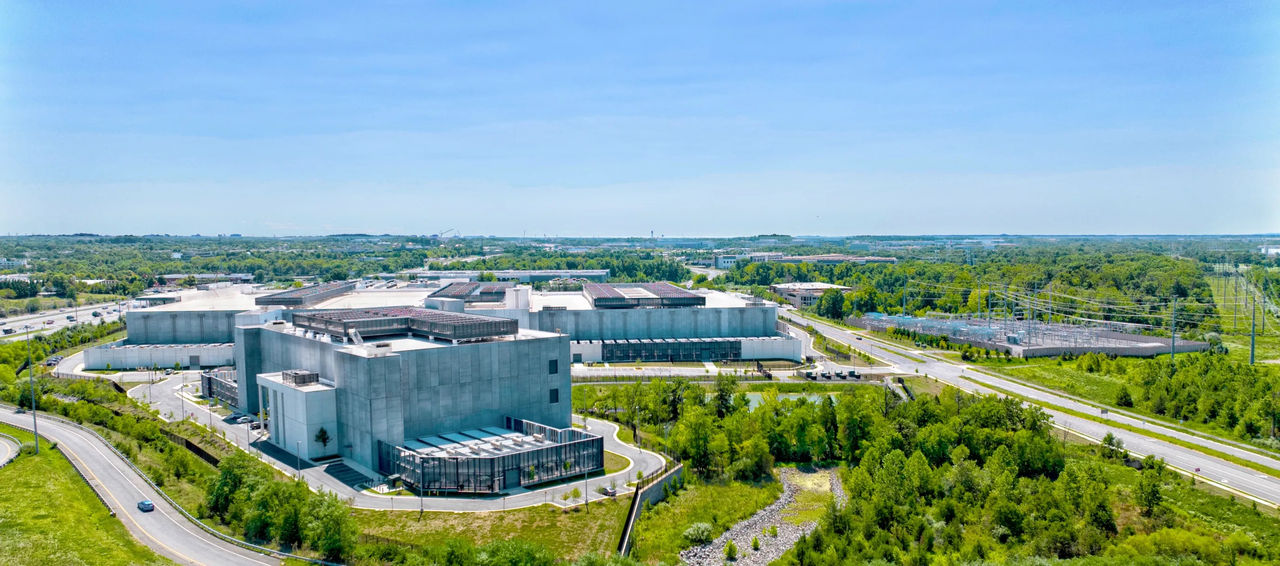
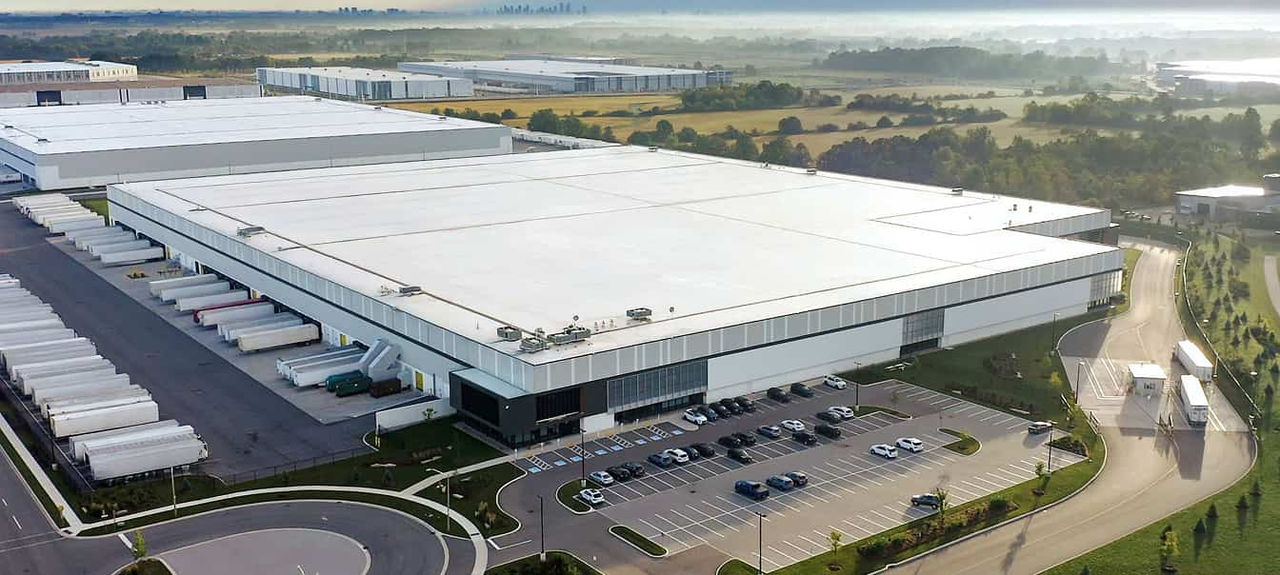
The cloud, where our emails, photos, and feeds live, sounds like an intangible place. But it’s actually very real.
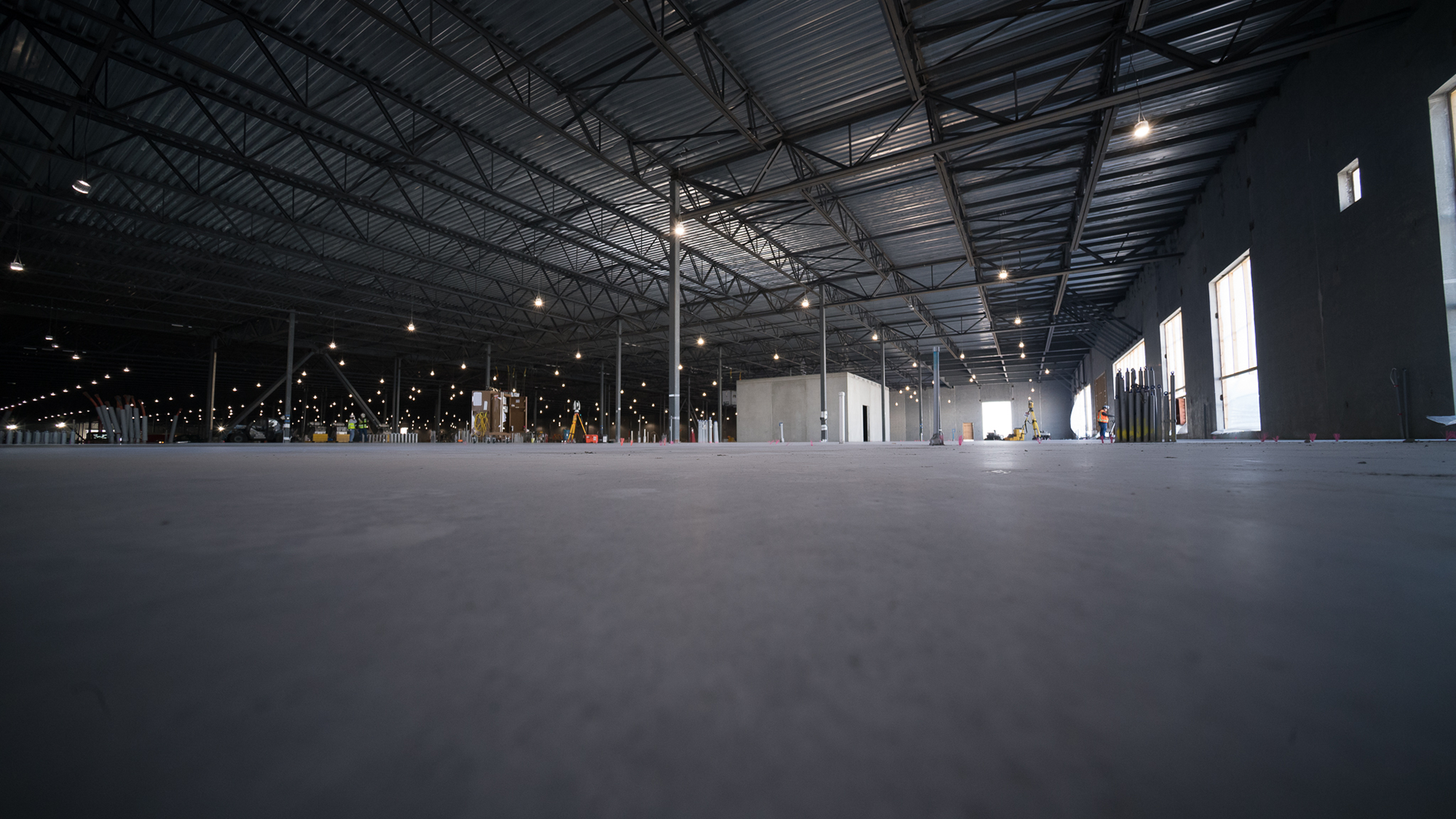
“Data centers represent the largest infrastructure buildup in recent history,” says Nollaig Forrest, Amrize’s Chief Marketing Officer. “From energy infrastructure to chip and computer factories to the data centers themselves and all the roads and connectivity hubs to help them run.”
Architect and University of Illinois Chicago professor Clare Lyster calls the cloud the cultural space of our era. Yet it's largely housed in anonymous structures far from the people it serves. This contradiction between cultural importance and physical remoteness sits at the heart of her exhibit for the 2025–26 Chicago Architecture Biennial: Farm Park.
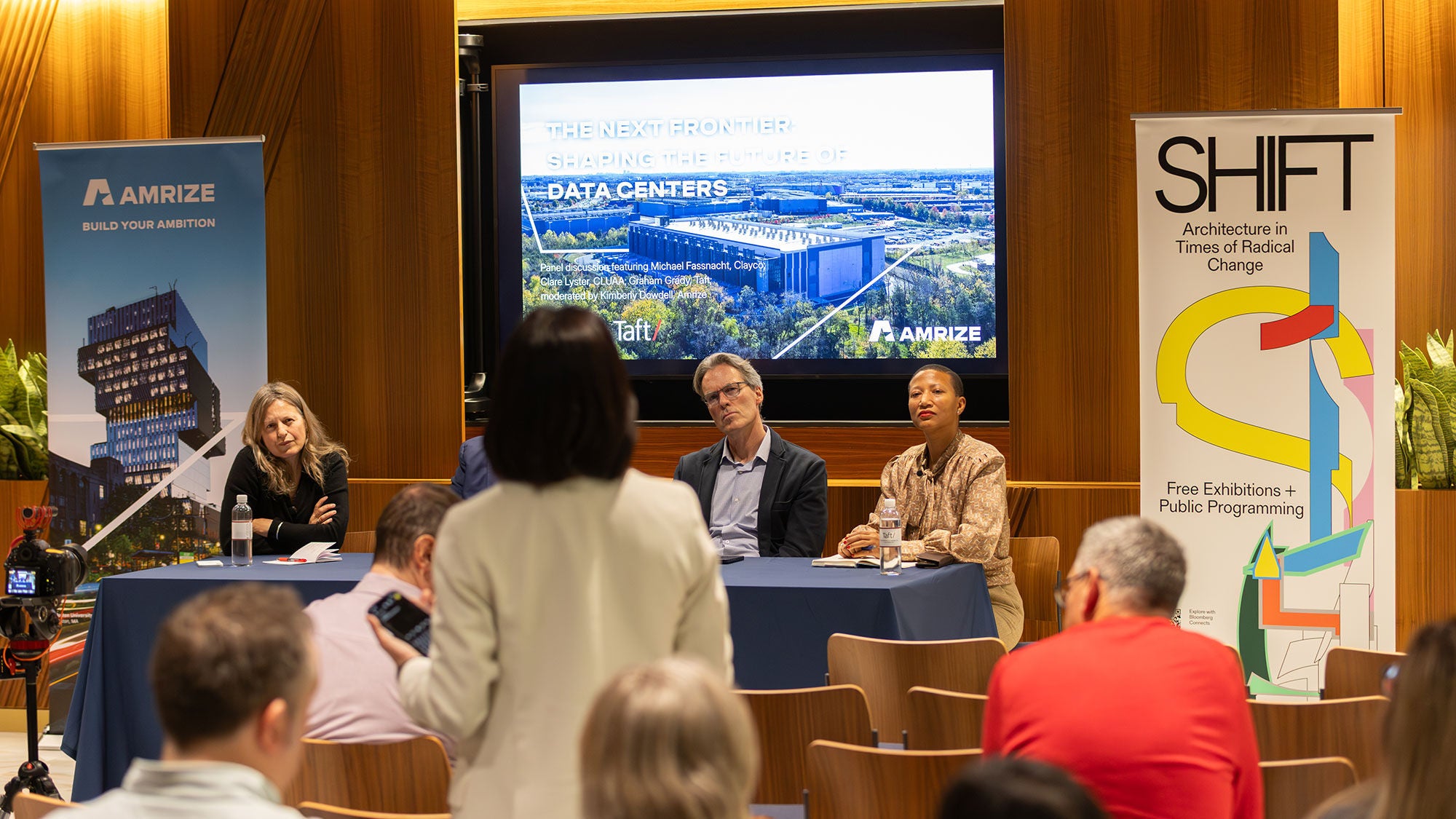
In our latest video collaboration with the CAB, we talk to Clare and experts from design, construction, and business to ask “what if” data centers could enrich our lives beyond the cloud.
Yes, in my backyard: Data centers as good neighbors
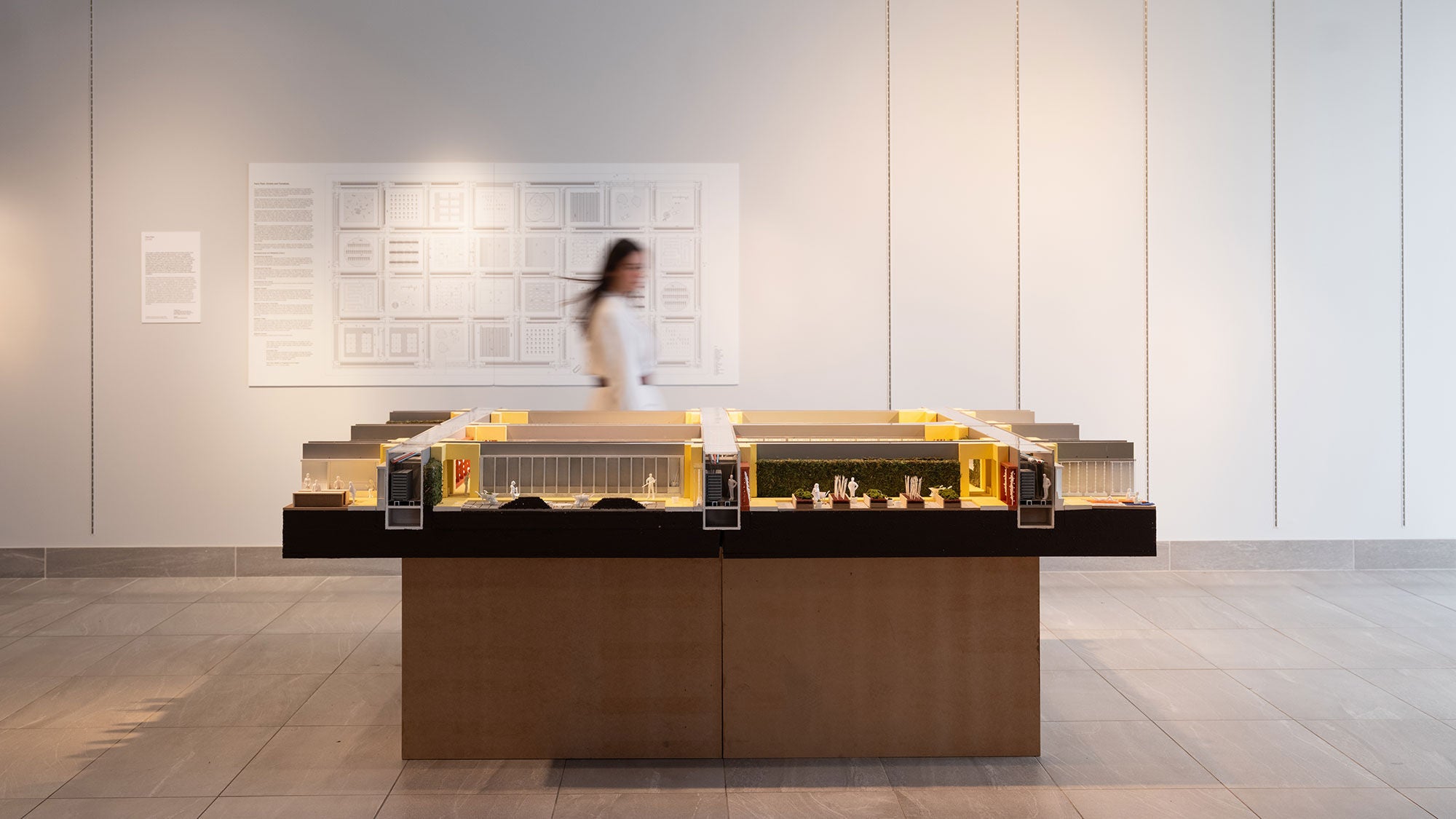
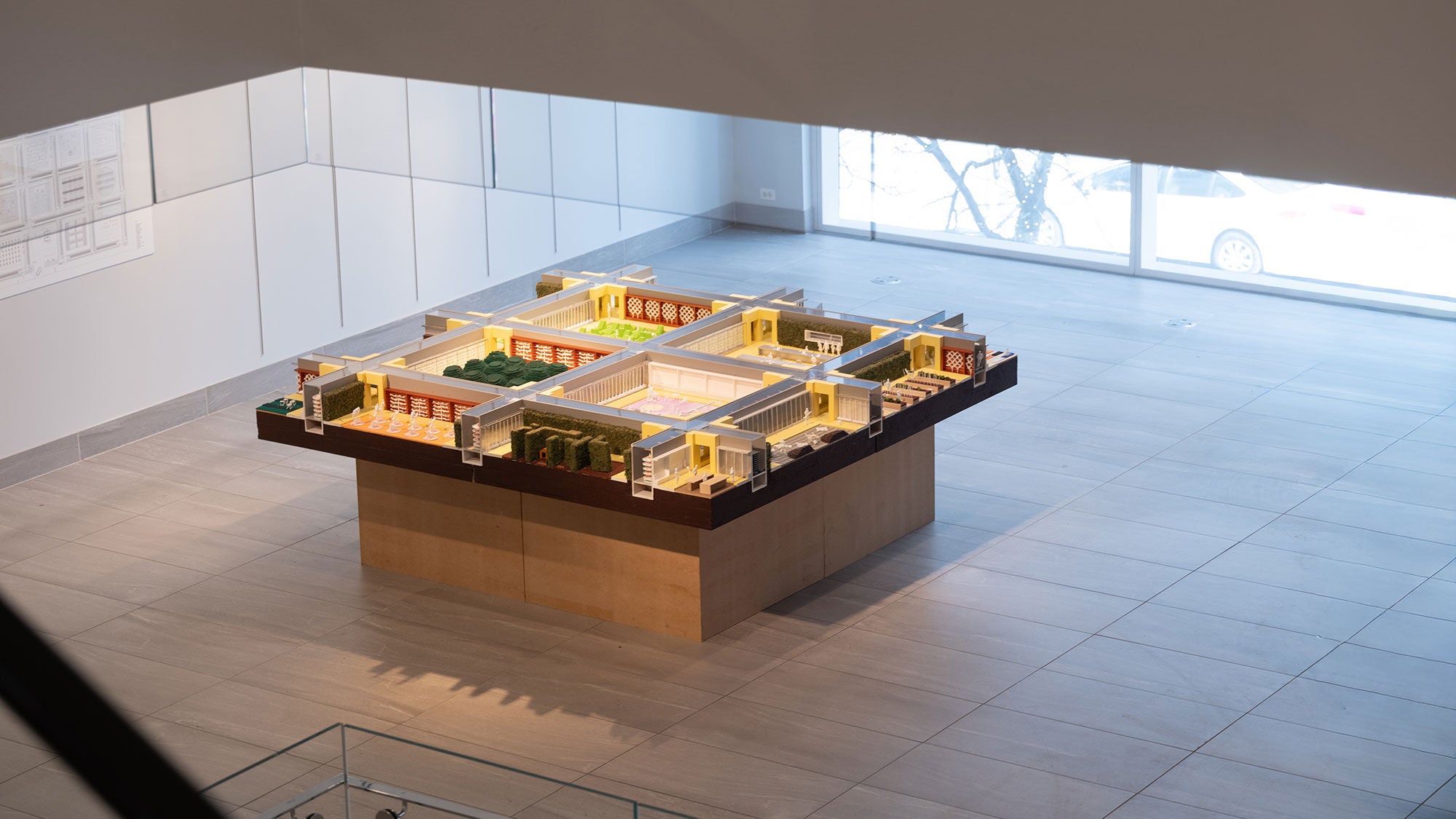
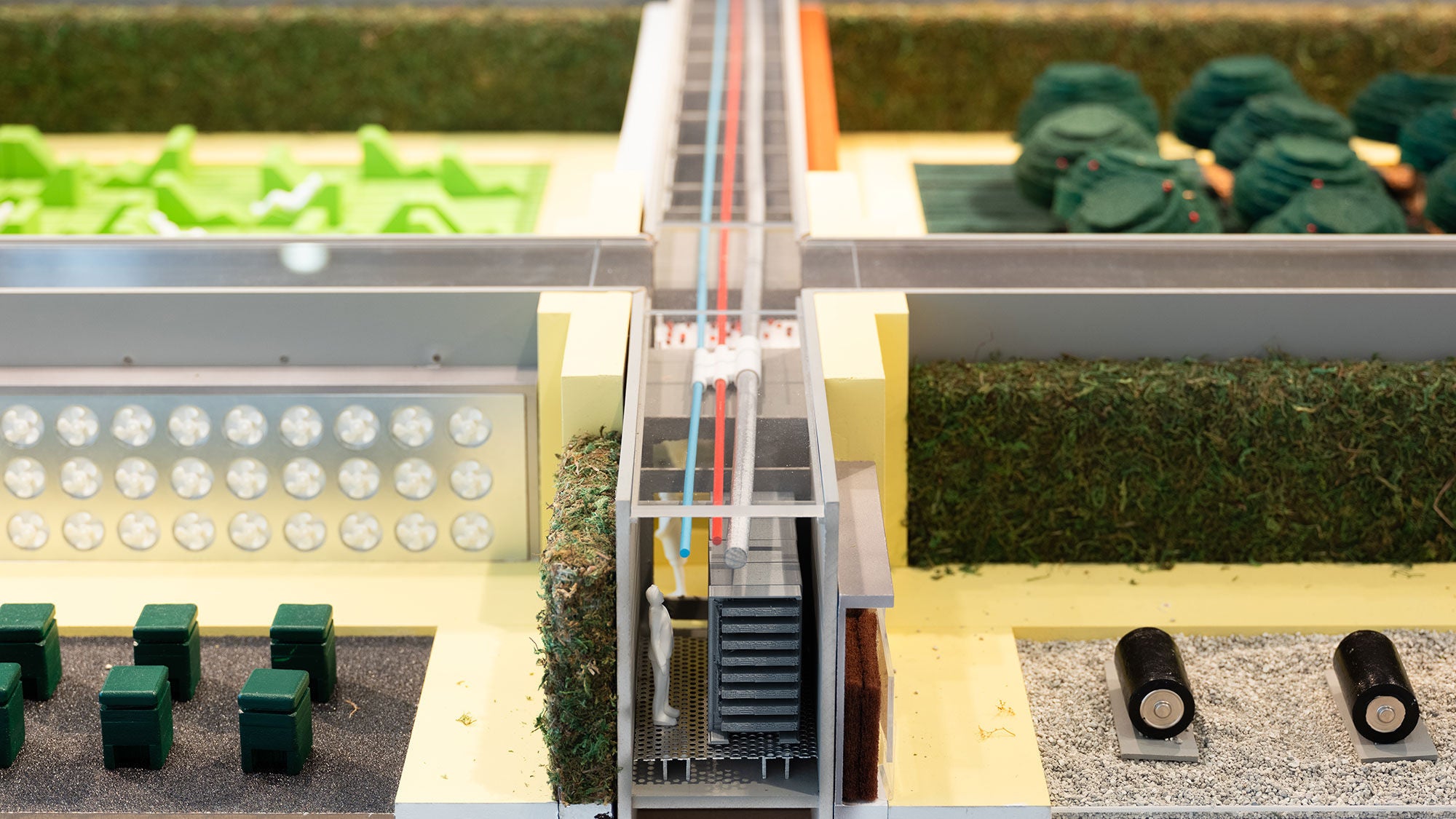
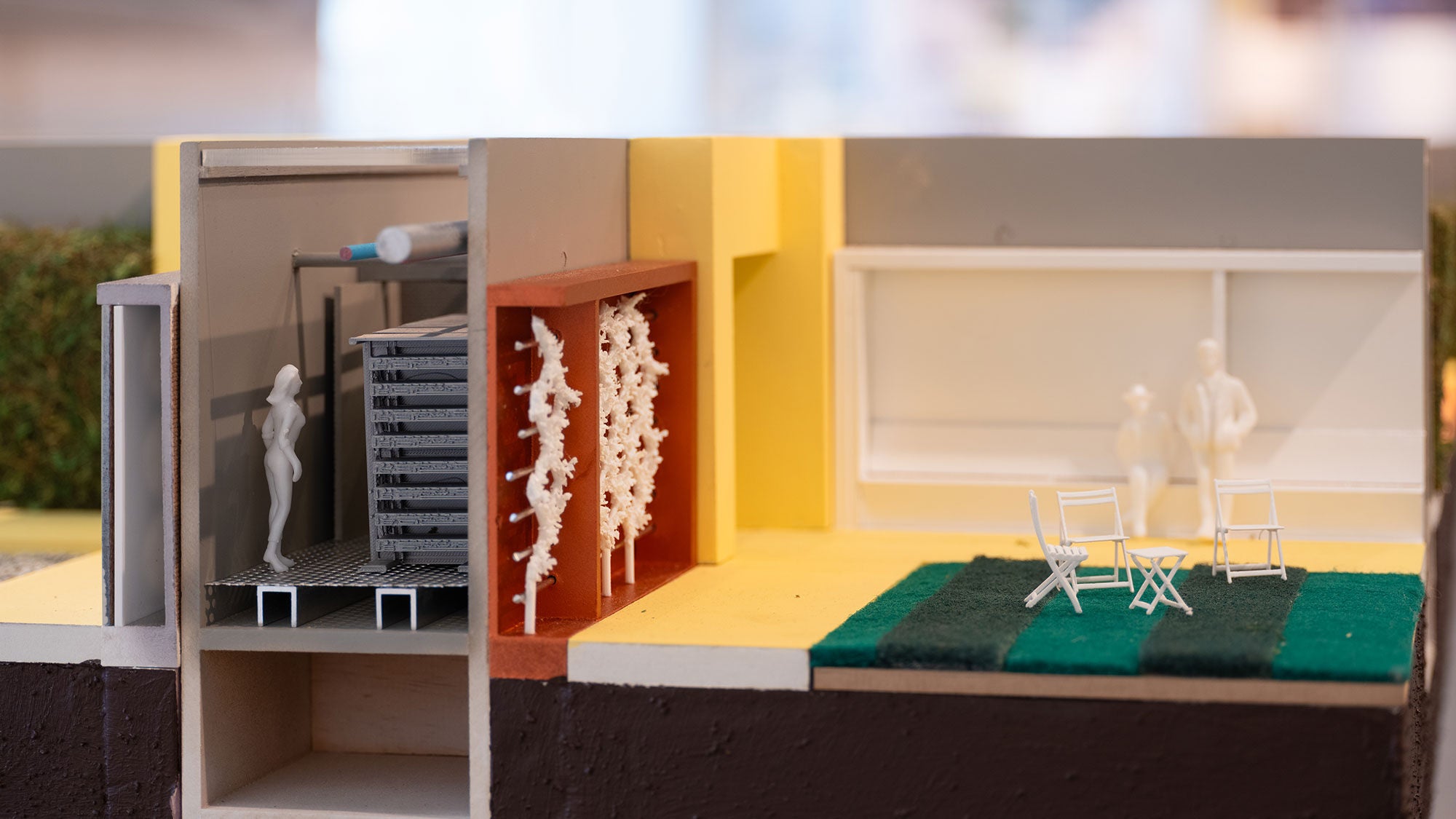
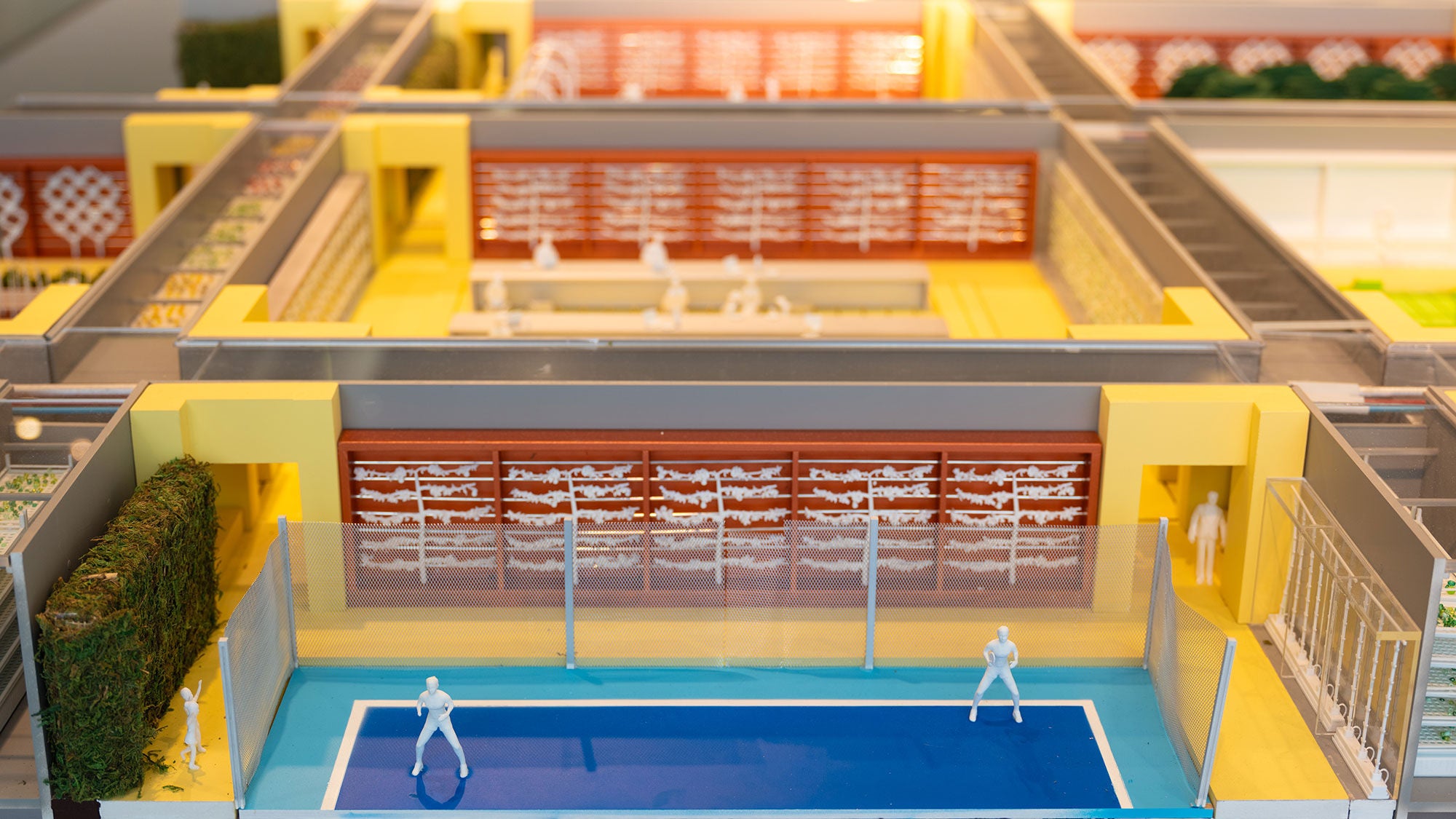
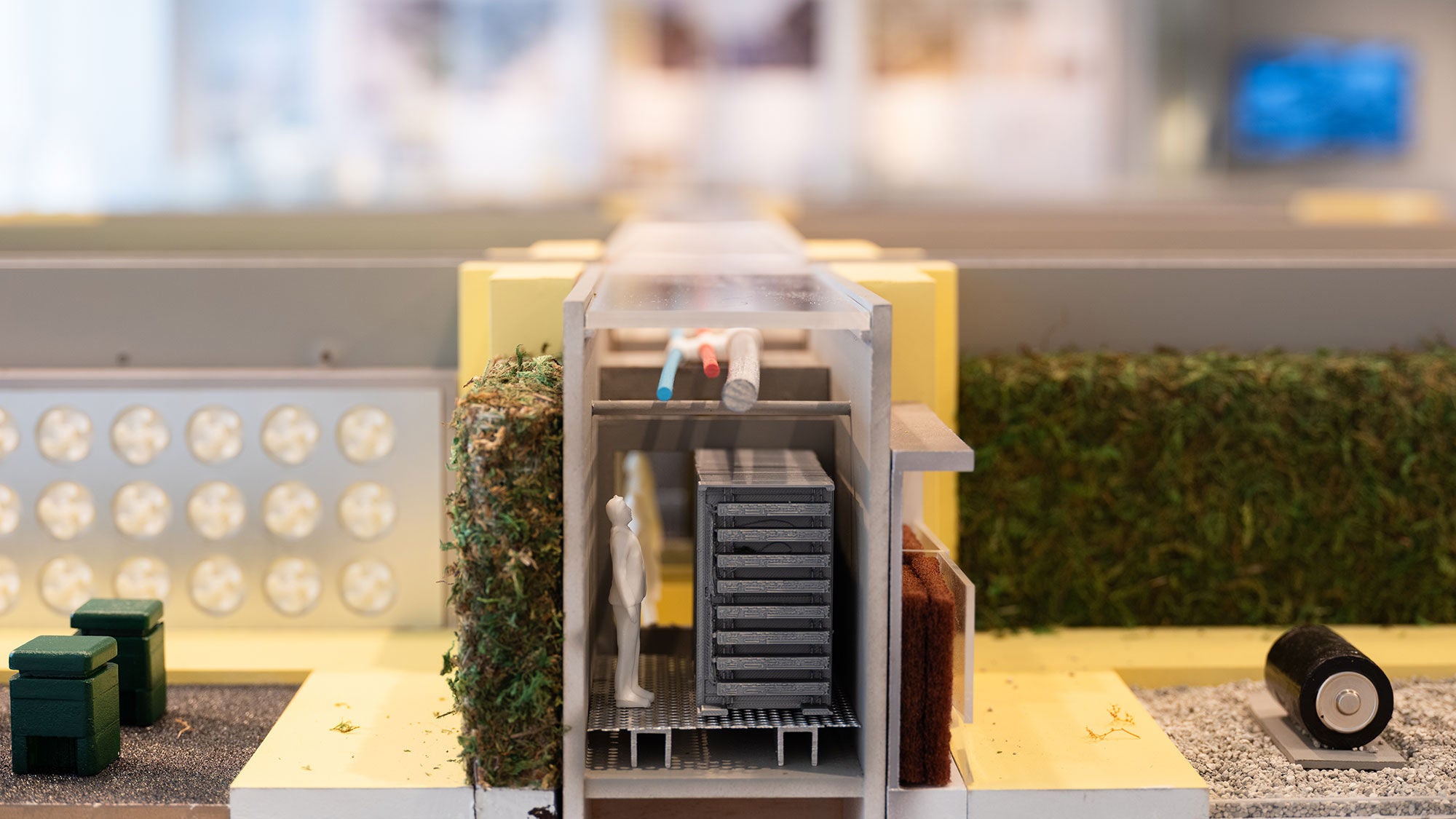 Clare Lyster’s Farm Park is an eight-foot by eight-foot model that takes you inside a conceptual data center where waste heat helps grow food for a hospital and in-between spaces provide places for community activities.
Farm Park imagines a backup data center for Chicago’s Northwestern Hospital where nothing goes to waste. Heat from the servers warms farming trays in the walls — growing food for the cafeteria. The rooms between data center walls become public spaces for swimming, cycling, or urban farming.
It’s a data center reimagined as civic architecture. And it’s based on the lessons of the past. “For the longest time, we’ve developed infrastructure as a mono-functioning system,” Lyster says, pointing to the isolating nature of highways and railroads as a cautionary tale. Her solution is double-duty design: infrastructure that provides societal benefits while it goes about its primary business.
It’s not just a concept. In Scandinavia, waste heat is already warming everything from communities to fish farms. A tech university in Dublin, Ireland, is warmed by waste heat from a nearby Amazon Web Services data center. In the United States, projects are underway to pair data centers with residential developments to heat neighboring homes — known as district heating.
Hyperscalers want to build better buildings, too
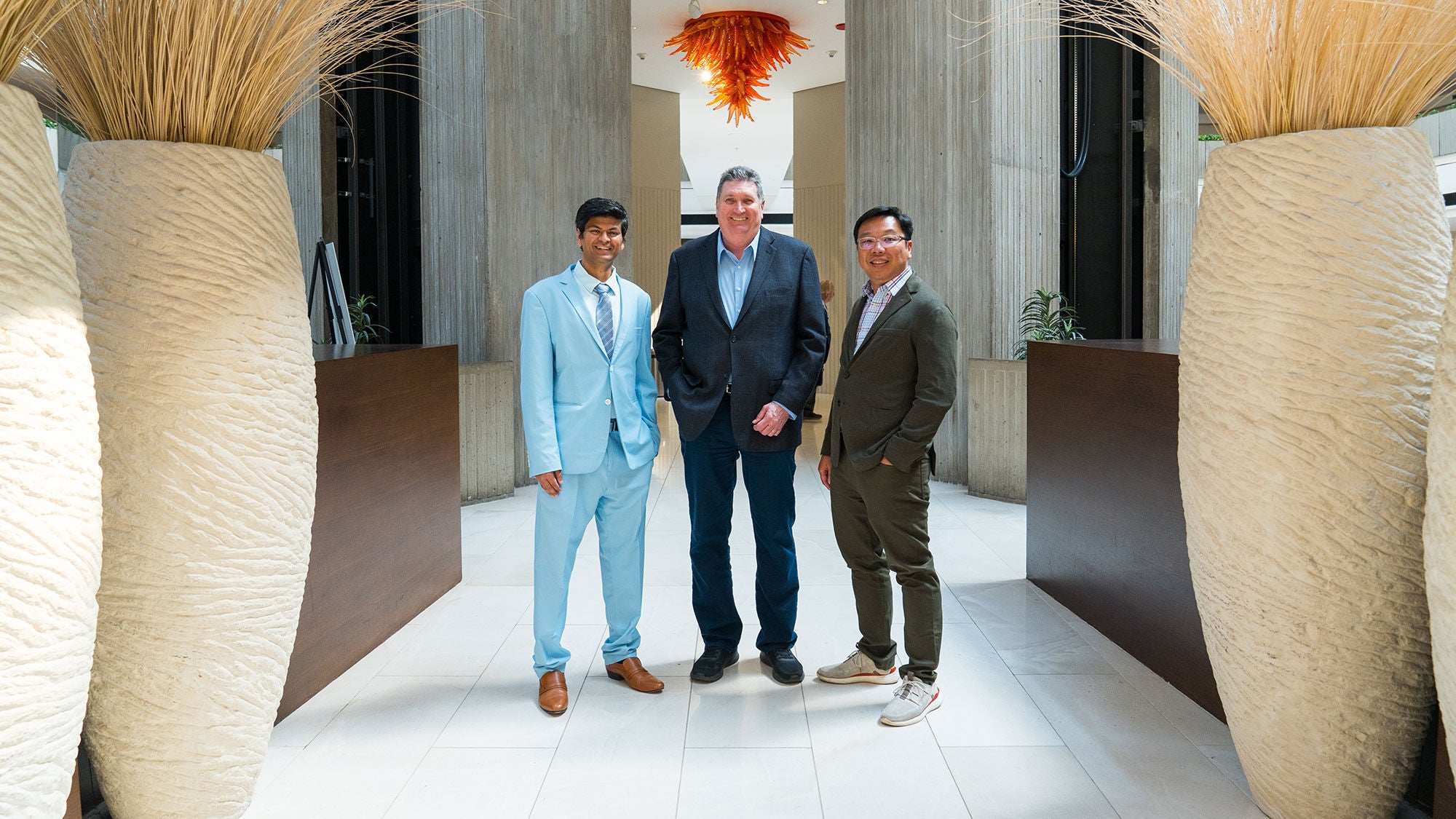 Nishant Garg (University of Illinois Urbana-Champaign), Mark Bintzler (Amrize) and Julius Kusuma (Meta), partners in developing a first-of-its-kind AI-optimized concrete for Meta’s Minnesota data center.
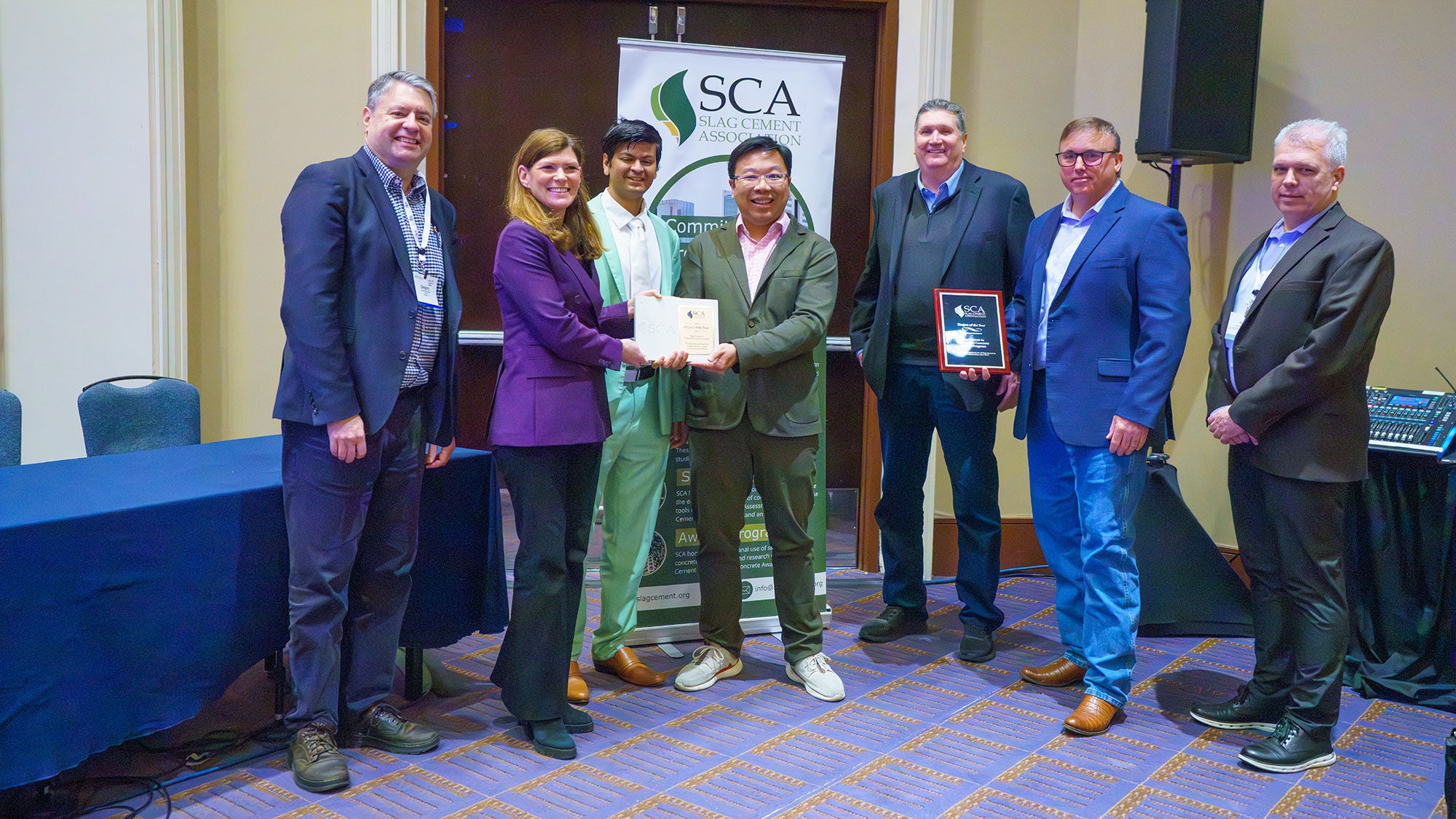 Meta, University of Illinois Urbana-Champaign, and Amrize teams accepting a Slag Cement Association award in the Lower Carbon Concrete category for their AI-optimized concrete breakthrough.
Amrize has seen firsthand hyperscalers’ interest in building a better data center. Partnering with Meta and the University of Illinois Urbana-Champaign, we developed a first-of-its-kind AI-optimized concrete mix with a markedly lower CO₂ footprint and a significantly higher speed-to-strength ratio than the market standard — reducing days on the jobsite and the environmental impact.
“What’s exciting about this new generation of infrastructure,” Forrest says, “is that it’s led by technology-driven companies. They believe in innovation.”
A cultural space we might actually visit
 Clare Lyster’s work sits at the intersection of architecture, landscape, and infrastructure. As well as being a professor at the UIC School of Architecture, she operates a design-based research practice called CLUAA and is the author of multiple books.
The data center, in other words, can bring physical as well as digital benefits. That’s where architects like Lyster believe they have a role: intervening in these complex systems to rethink how they can work to benefit business and society. As our appetite for AI and the digital economy grows, so too must data centers. The Biennial’s provocation: that they grow in a more integrated way.