

From the Ashes: How Chicago Rose (and Endures) as an Architectural Capital
In 1871, the Great Chicago Fire consumed more than three square miles of the city in two days. It was a tragedy. It was also, as Chicago Architecture Biennial founding chairman Jack Guthman puts it, “a peculiar… positive.” Because from those ashes, new ways of building were born.
The steel-frame construction that emerged from the Great Rebuilding gave the world the skyscraper. It made Chicago the birthplace of modern architecture — the city of Daniel Burnham and Louis Sullivan, Mies van der Rohe and Jeanne Gang. And it earned Chicago the right to host North America’s largest architecture exhibition.
The Chicago Architecture Biennial: Co-creating the future of the built environment
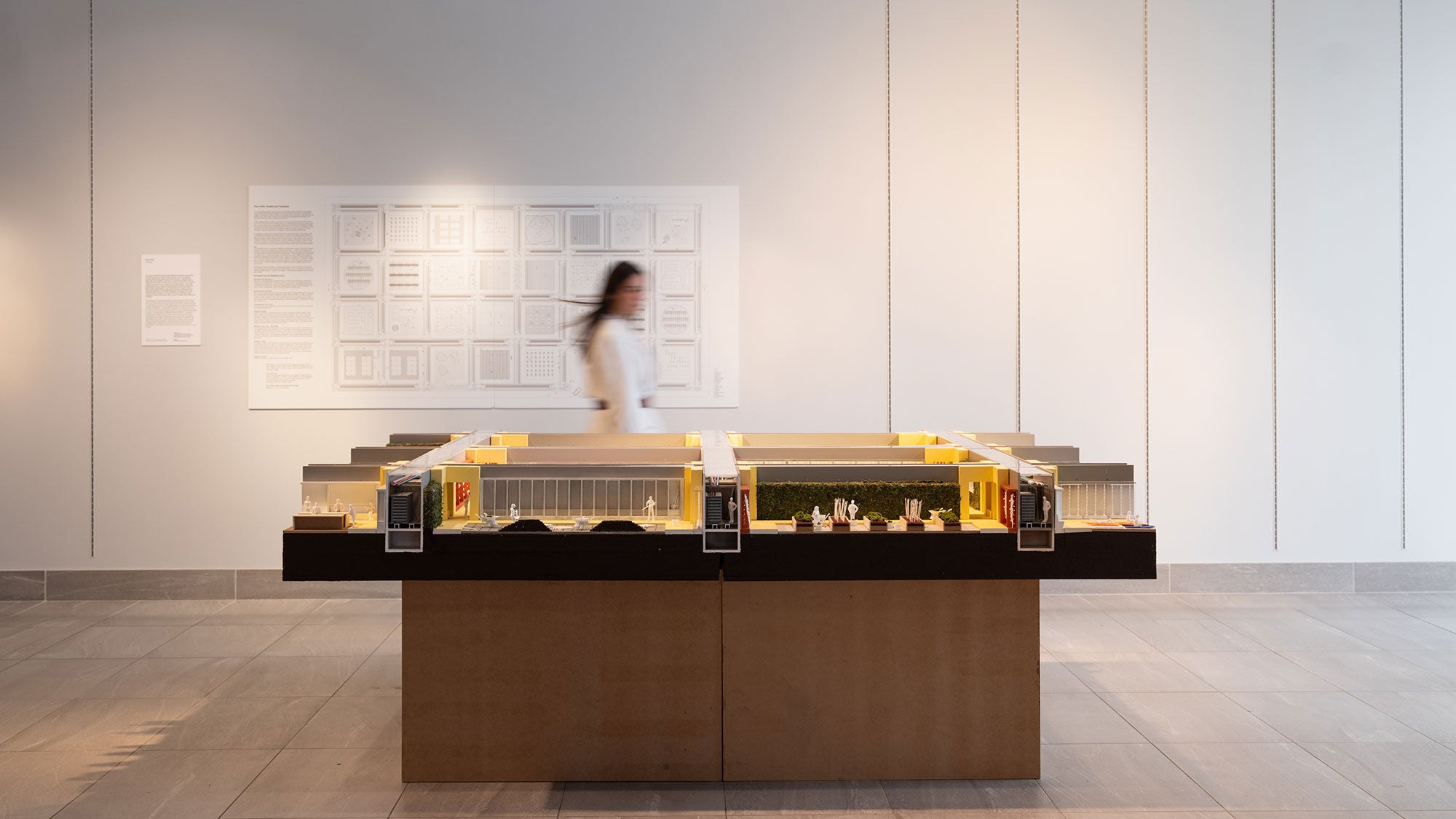 Clare Lyster’s exhibit, ‘Farm Park,’ is an 8x8-foot model of a prototypical data center-farming development, where heat waste from data centers helps grow a community’s food and heat homes.
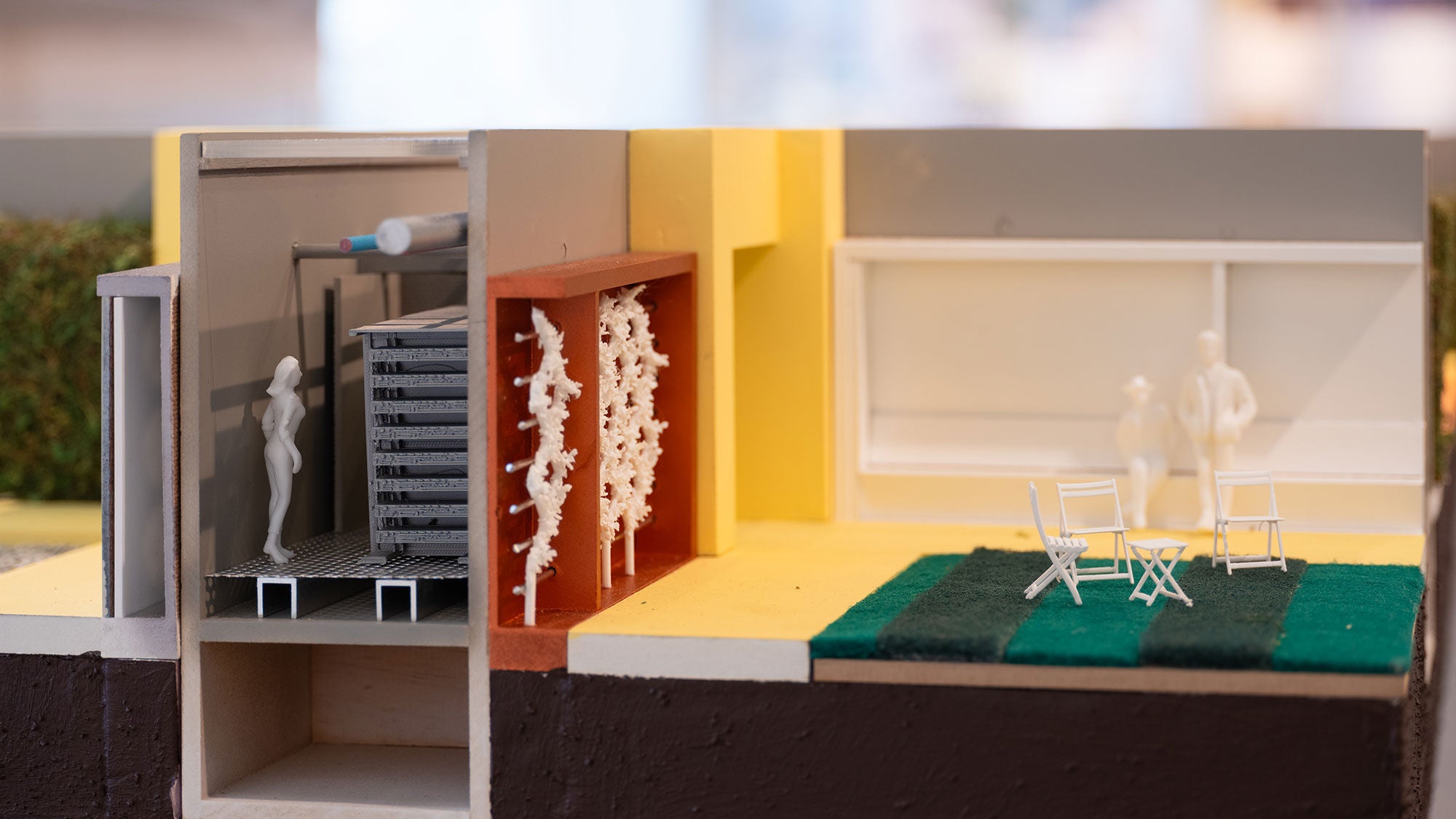 A closer look at Clare Lyster’s ‘Farm Park,’ showing the potential intersection between data centers and the supply of heat for homes.
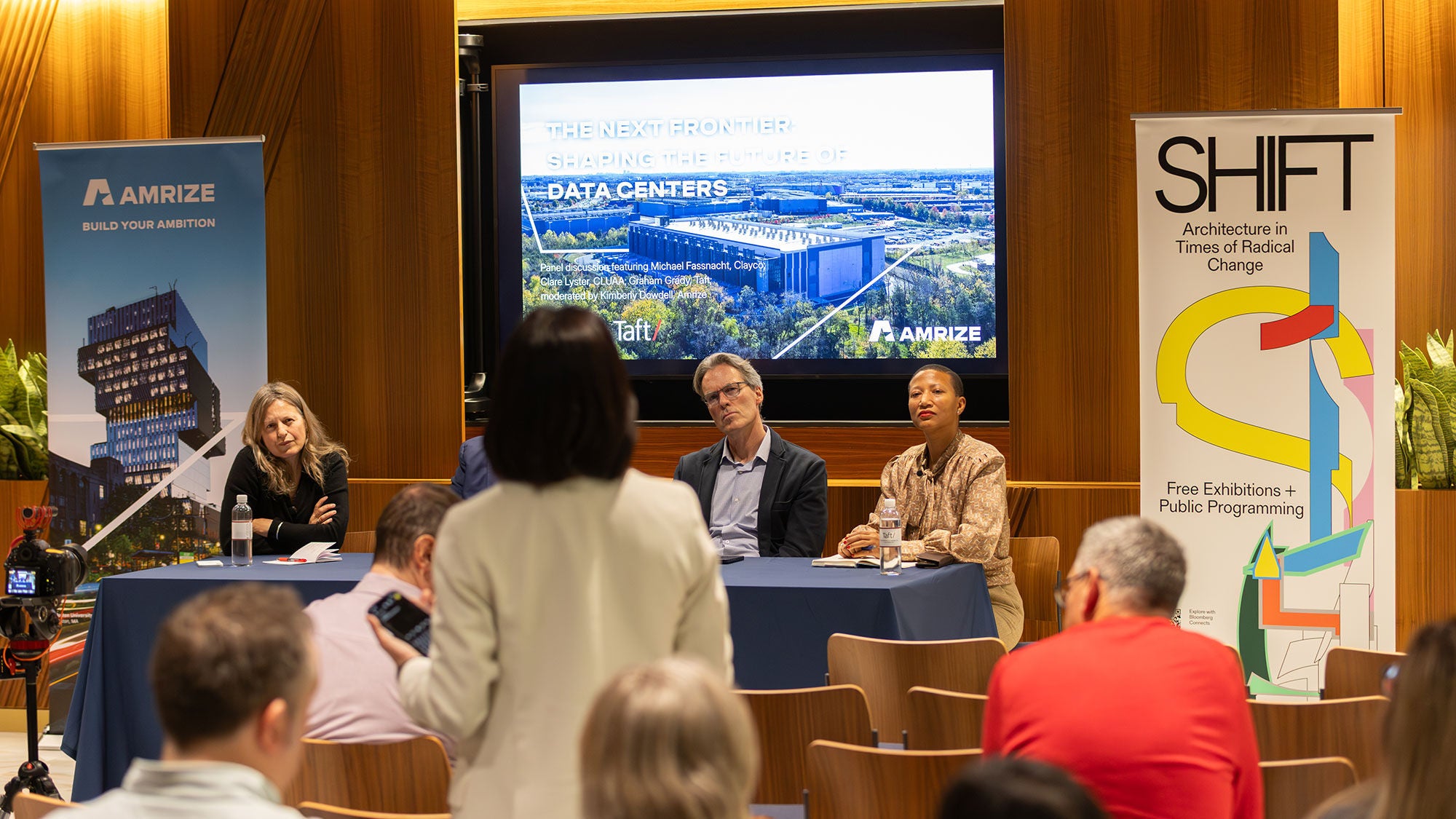 Clare Lyster (CLUAA), Graham Grady (Taft), Michael Fassnacht (Clayco) and Kimberly Dowdell (Amrize) host a panel on data centers at Taft for the Chicago Architecture Biennial.
The Chicago Architecture Biennial (CAB) brings the world’s most forward-thinking designers, architects, artists and planners to envision what’s next for a city that’s part trailblazer, part living museum. It’s a juxtaposition that inspired a new six-part video series created in partnership with the CAB.
Part 1, Chicago’s Unique Role in Architecture, traces the line from the Great Fire to the Biennial’s 2025-6 theme, SHIFT: Architecture in Times of Radical Change. Featuring voices from the CAB team, the episode asks: Why does Chicago keep producing world-class architecture, and why is it the right place to ask what comes next?
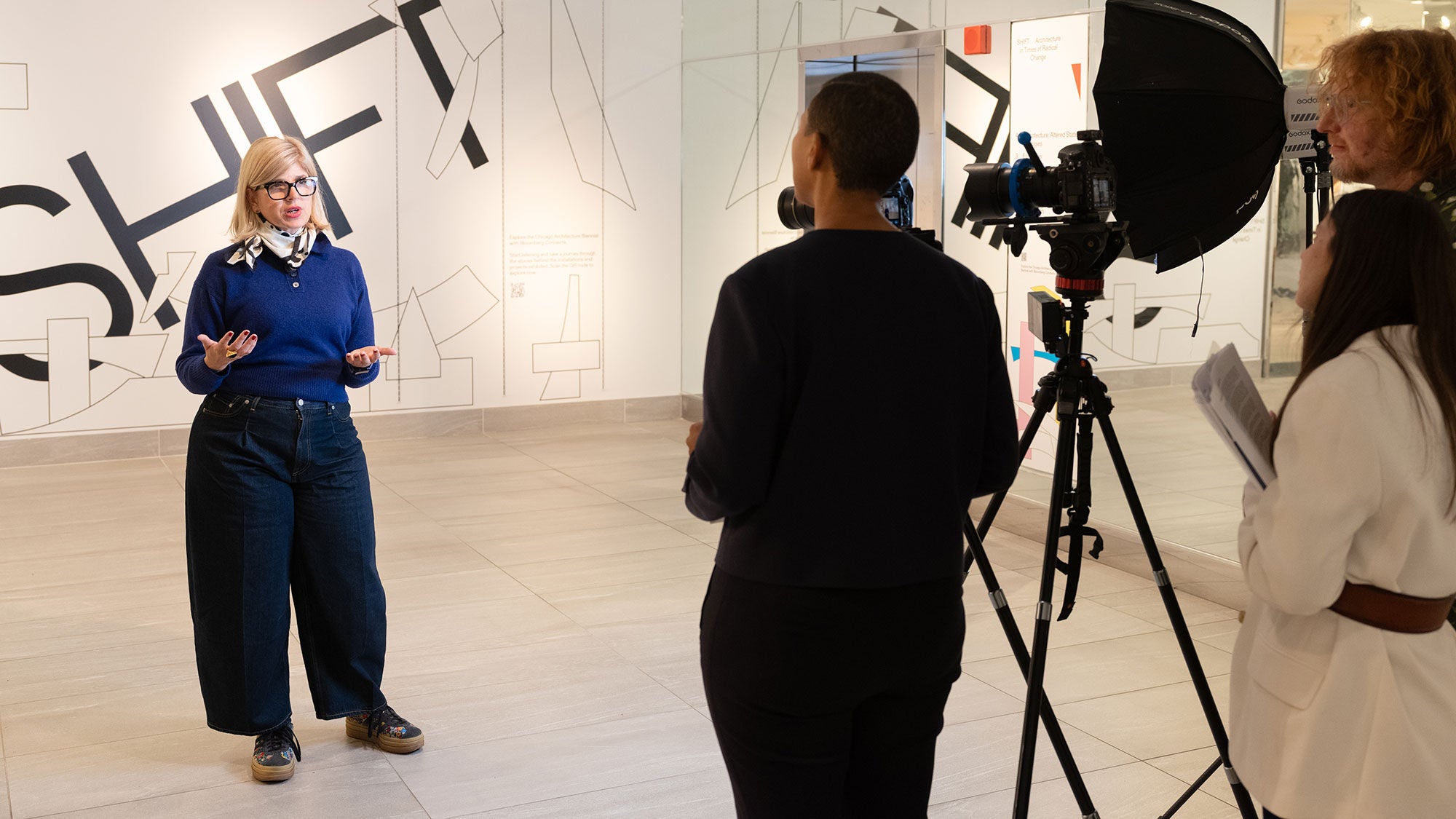 Amrize’s VP of strategic partnerships, Kimberly Dowdell, interviews Florencia Rodriguez, the 2025-6 Chicago Architecture Biennial’s artistic director.
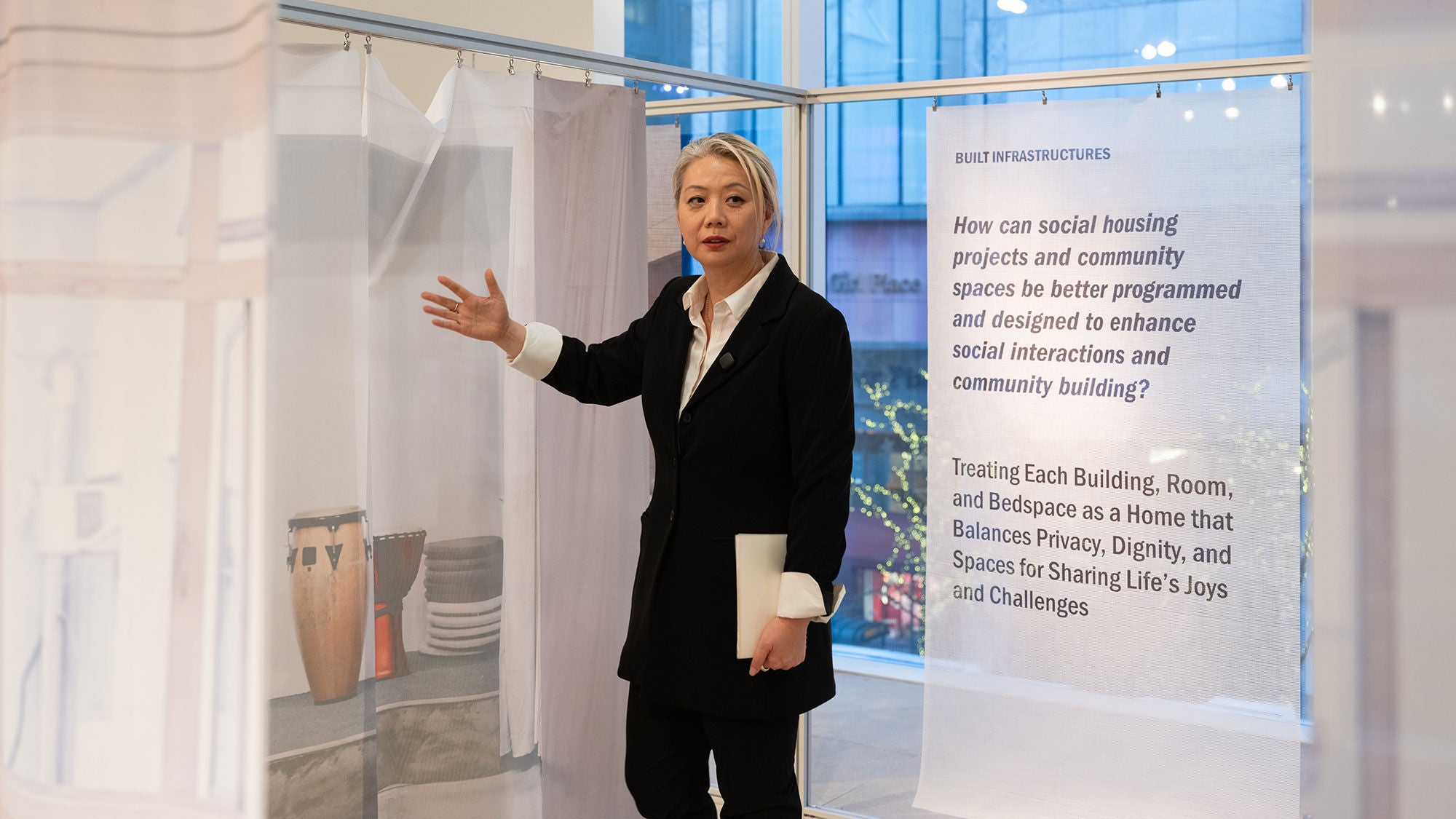 Architect and University of Toronto professor Juan Du showcases her exhibit ‘City as Home: Adapting Vacancies for Housing and Community.’
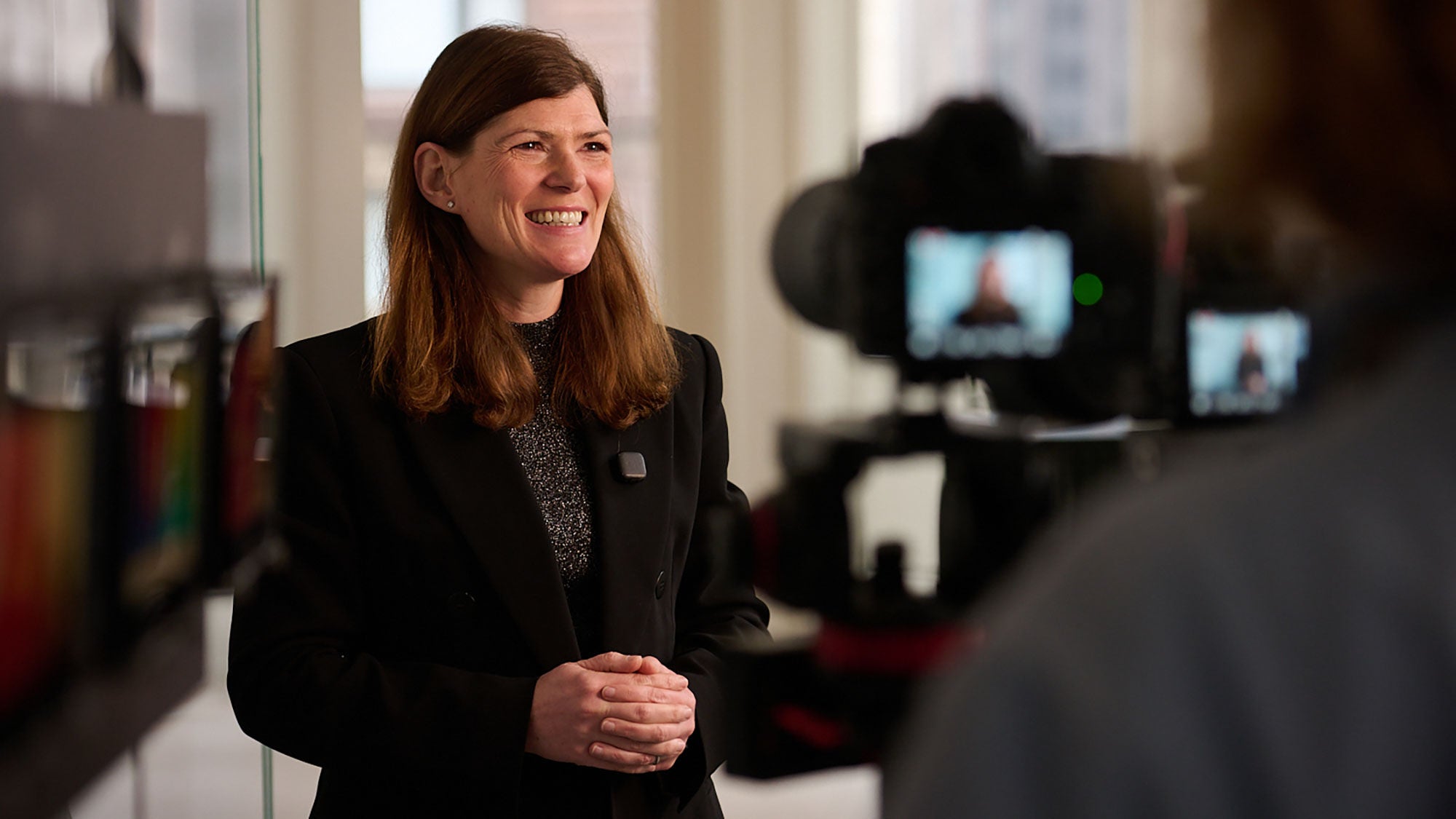 Amrize's CMO, Nollaig Forrest, is interviewed about Amrize's partnership with CAB and the need to unite all voices—from architects to city planners to materials providers—to advance the way we build and live.
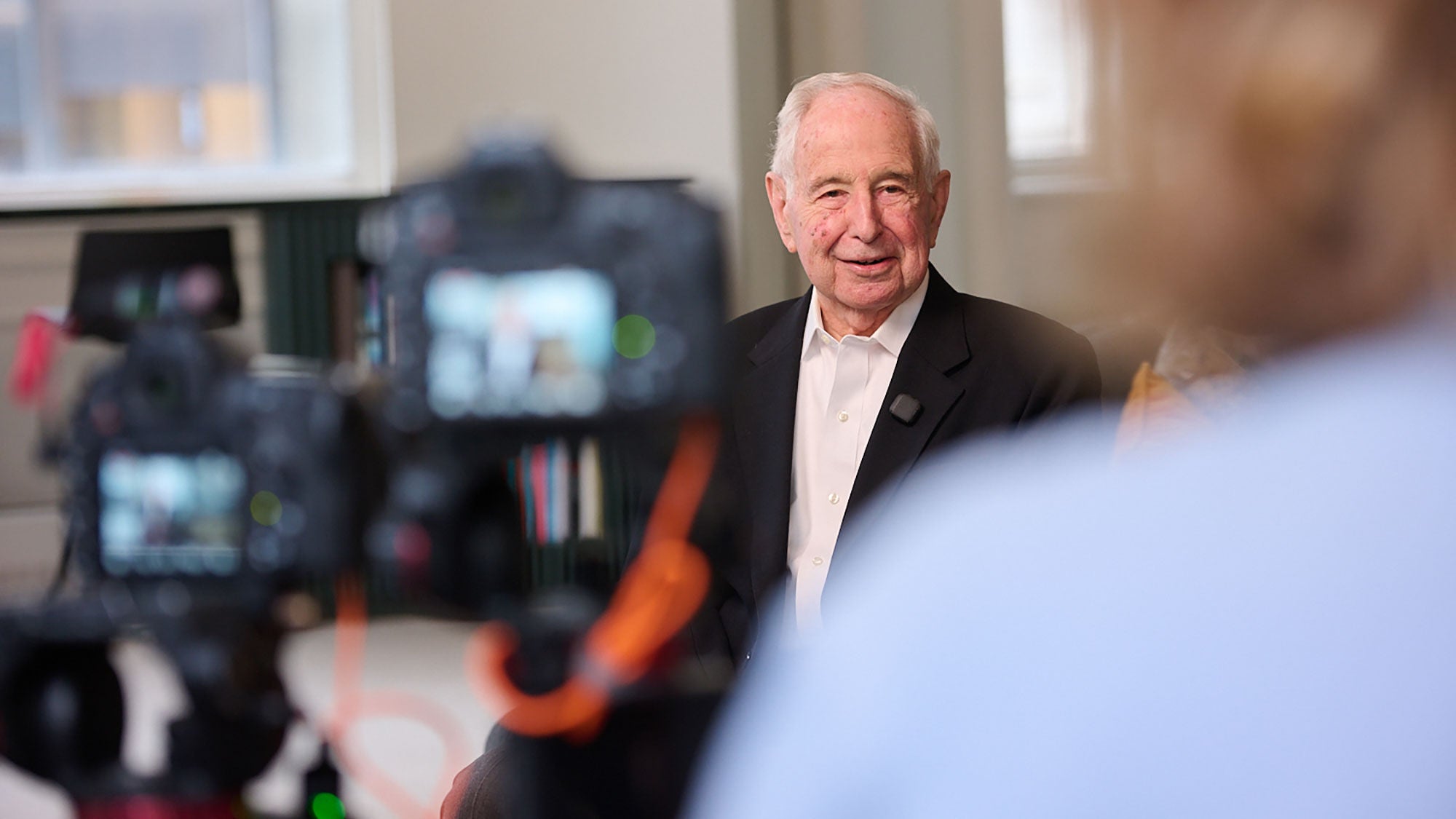 Jack Guthman, former CAB chairman and member of the board of directors, is interviewed about being involved with the biennial from the start, and what the exhibition means to Chicago and our wider world.
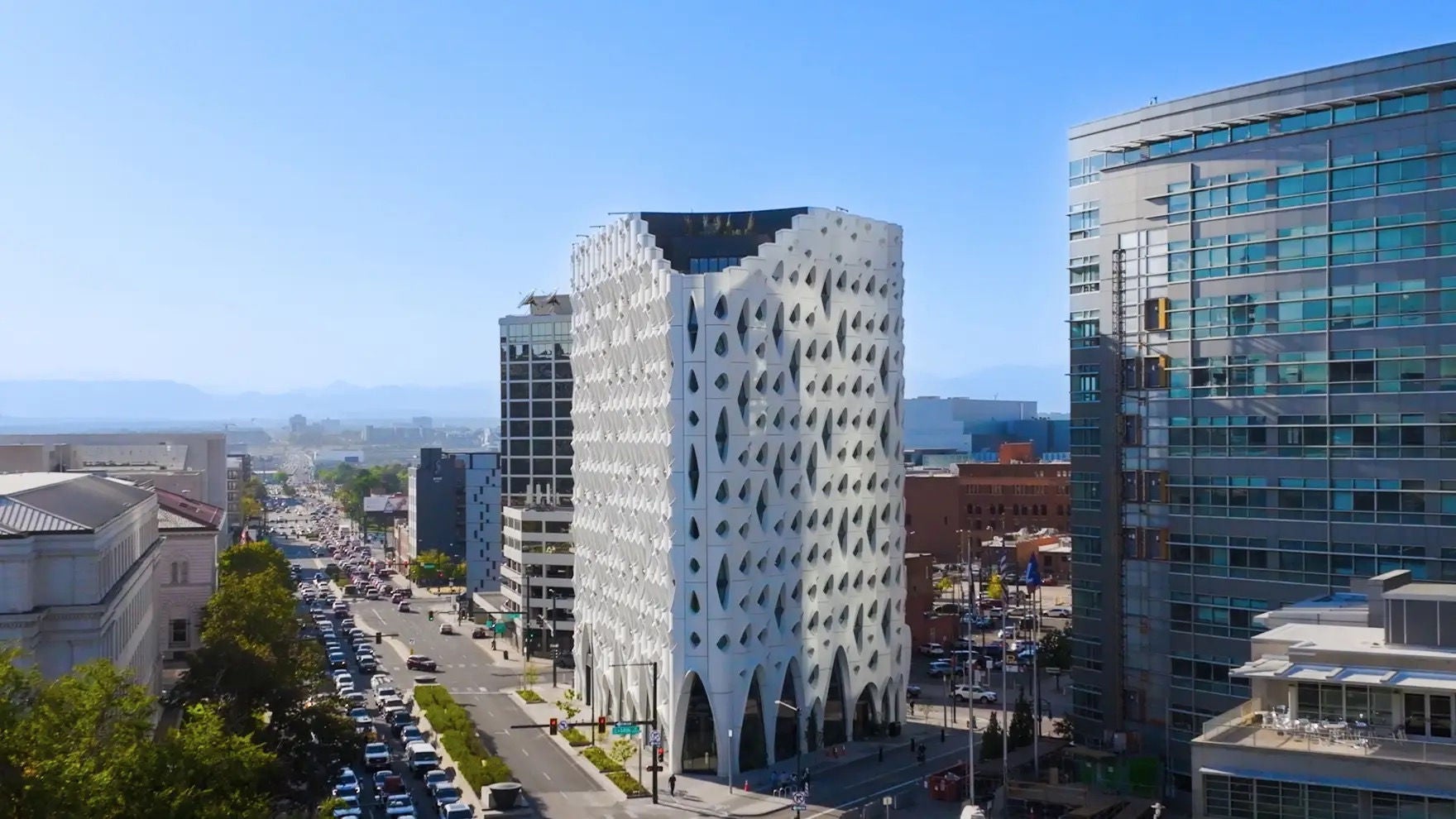
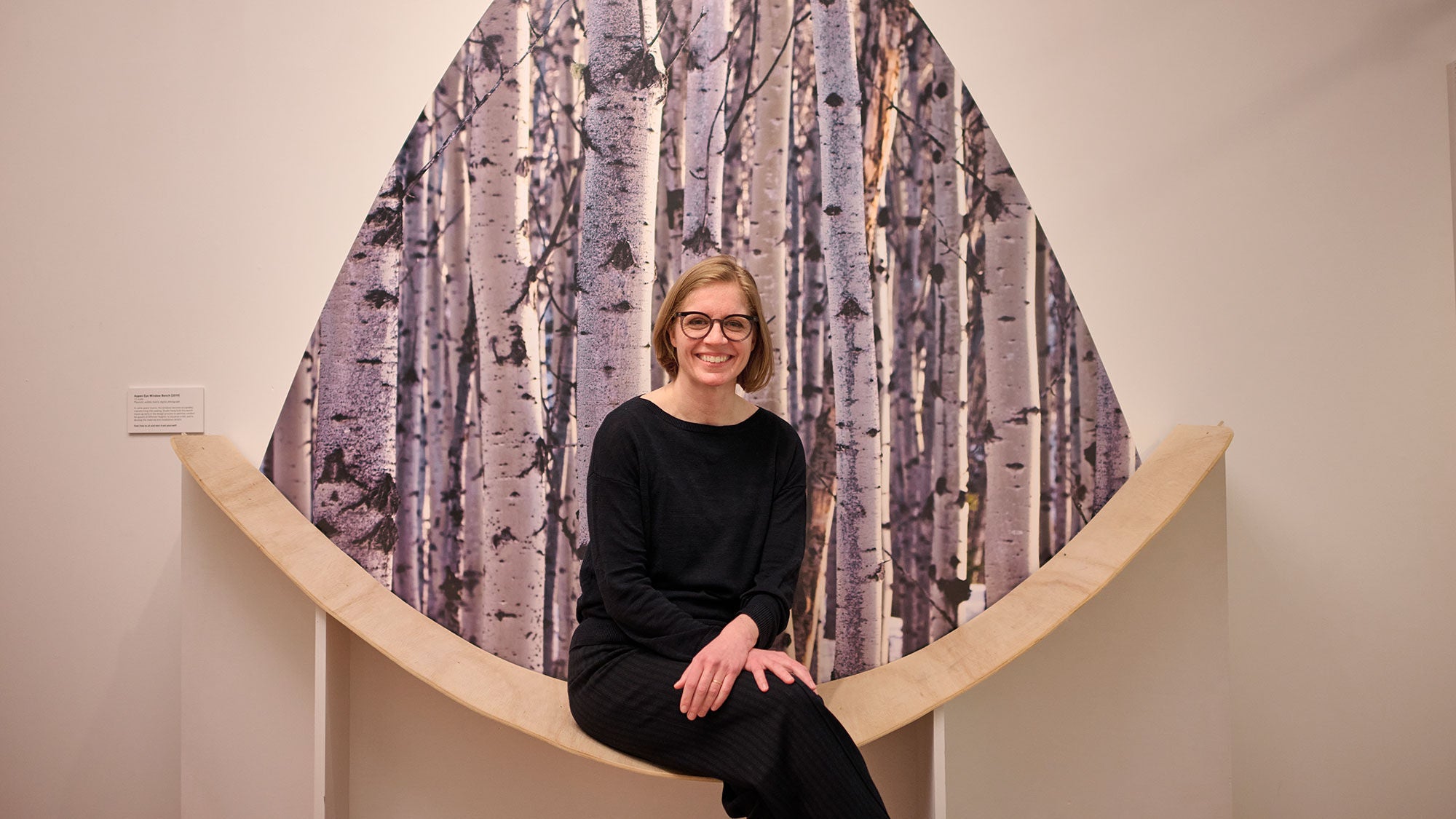 Juliane Wolf, design principal and partner at Studio Gang, sits in one of the firm’s Chicago Architecture Biennial exhibits — inspired by Studio Gang’s Populus Hotel design.
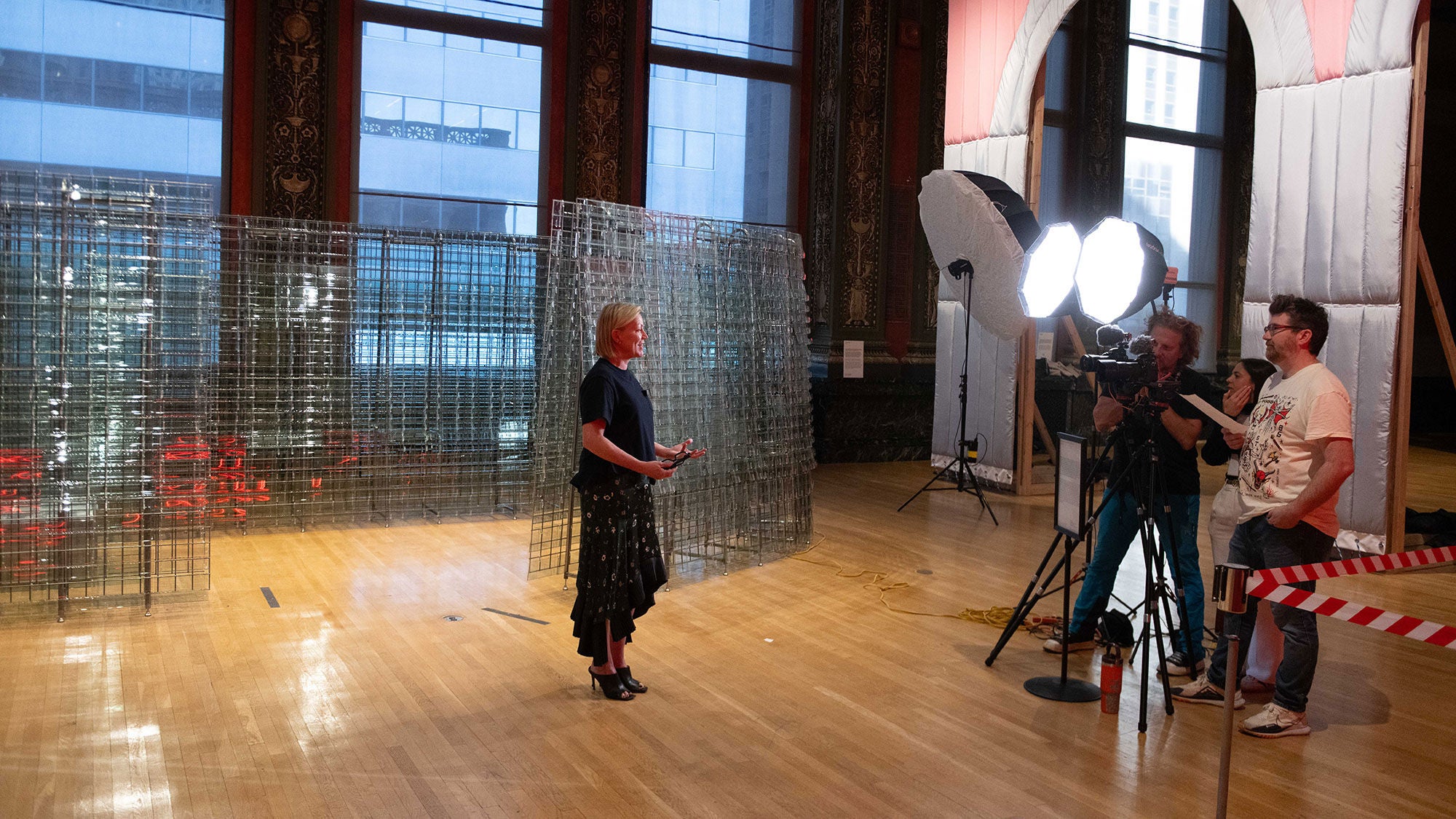 Nora Daley, co-chair of the Chicago Architecture Biennial Board of Directors, is interviewed at one of the exhibit spaces.
From the ground up: Amrize’s foundational role in building Chicago
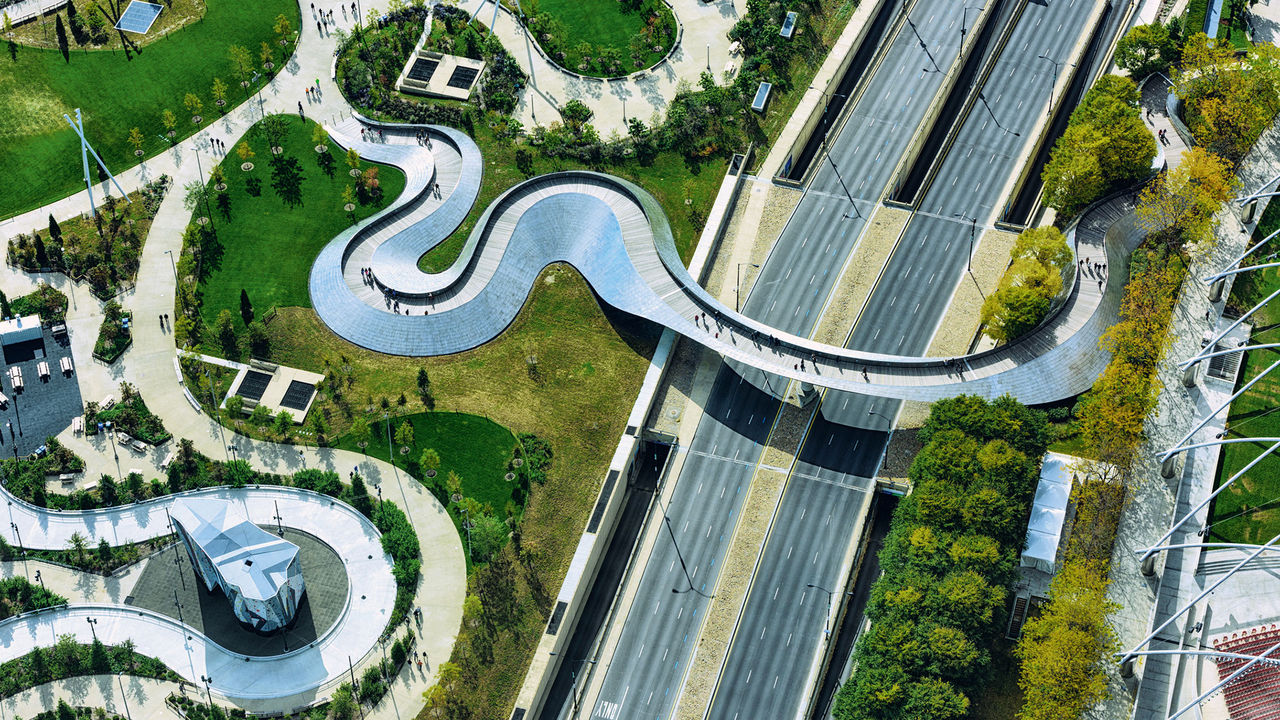
For Amrize, that question is grounded in something tangible. As a company that is literally foundational to many Chicago landmarks, Amrize is a natural partner for the Biennial. It’s our purpose to empower architects and other builders to advance how we live, providing the high-performance materials that underpin everything from Maggie Daley Park to the 606 Trail. For example, did you know?
- Amrize created 20,000 tons of specialized drainage material to handle Maggie Daley Park’s structural and landscaping demands.
- The 606 Trail, architect Carol Ross Barney’s 3-mile-long trail and park system created from an abandoned railway, is built on 5,000 tons of Amrize materials.
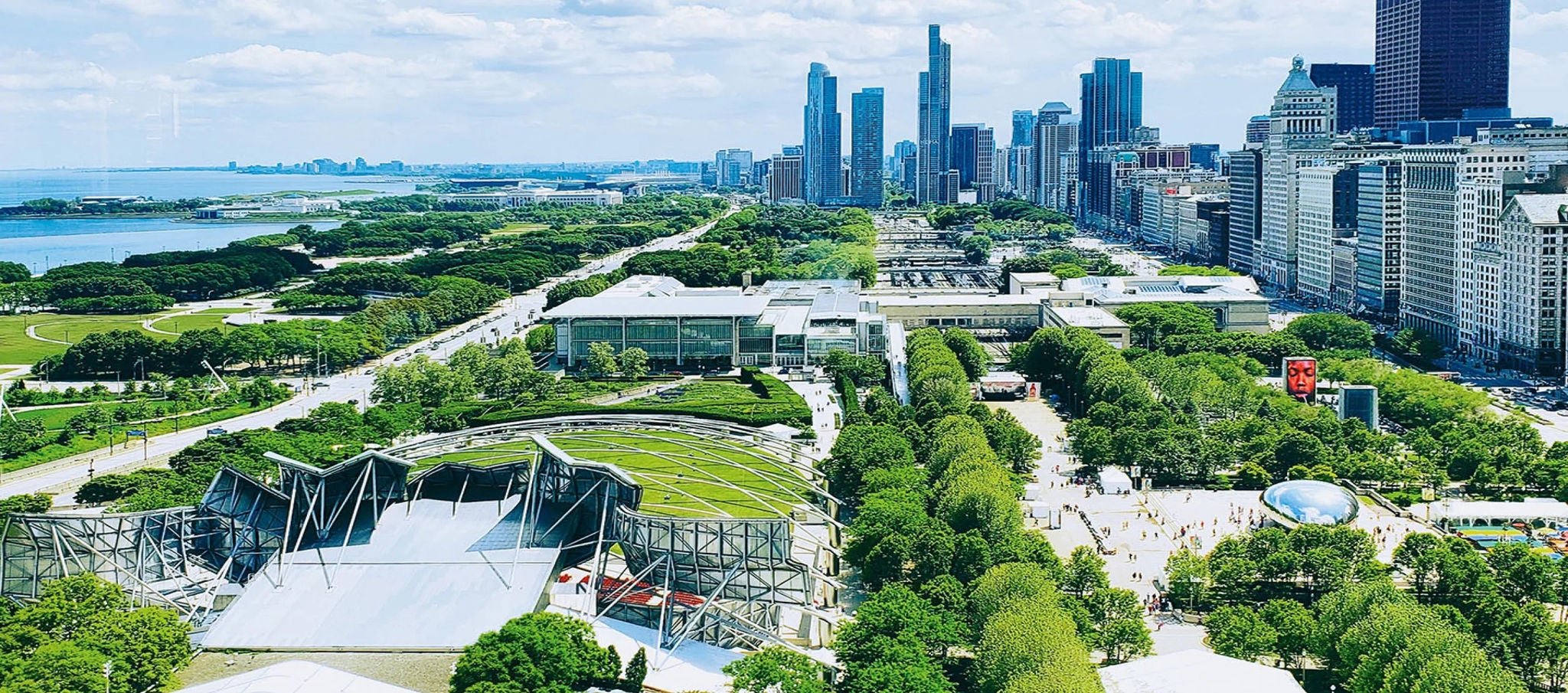
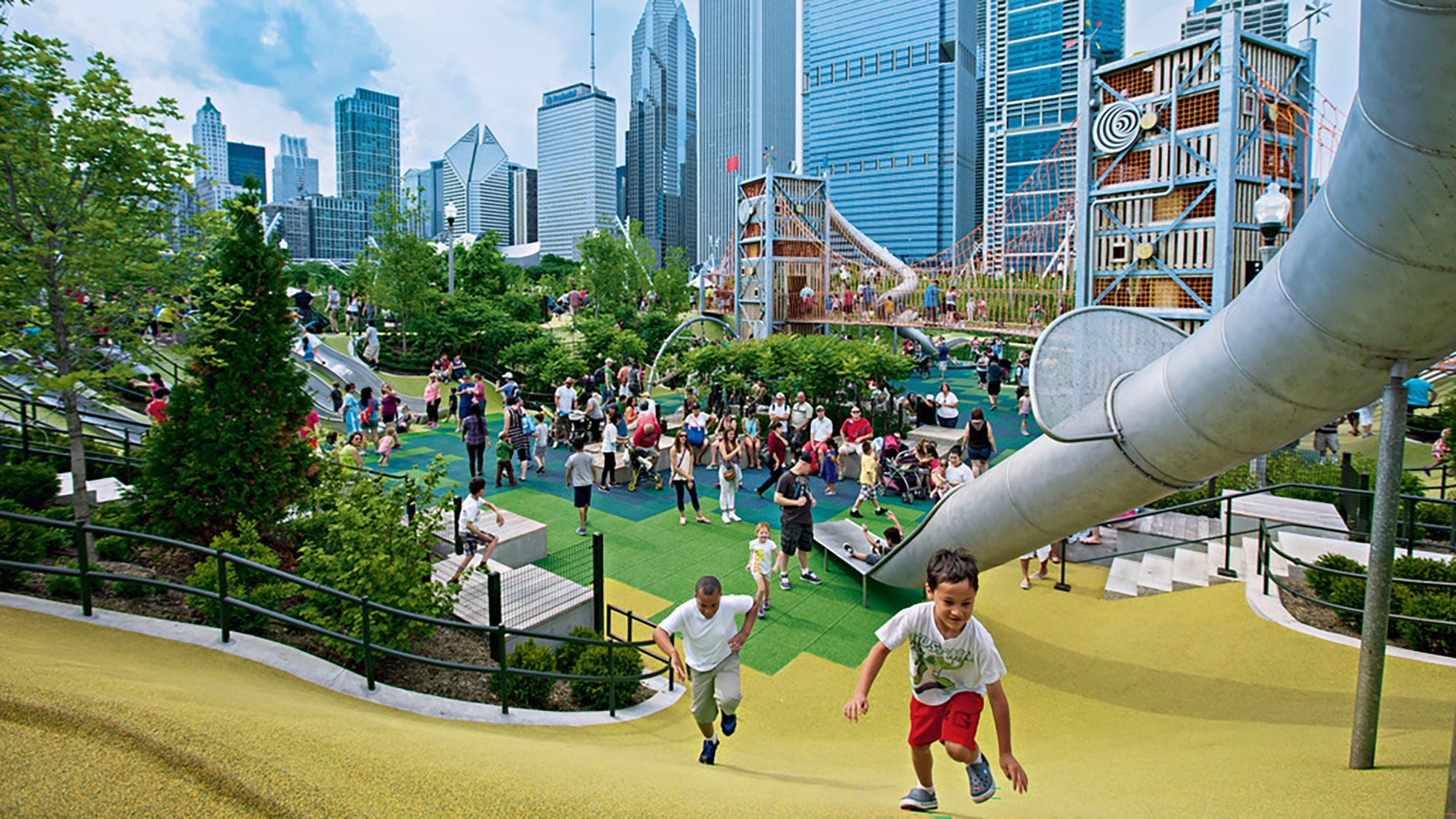 Maggie Daley Park provides an adventurous space featuring play areas, climbing walls, tennis courts and an ice-skating ribbon.
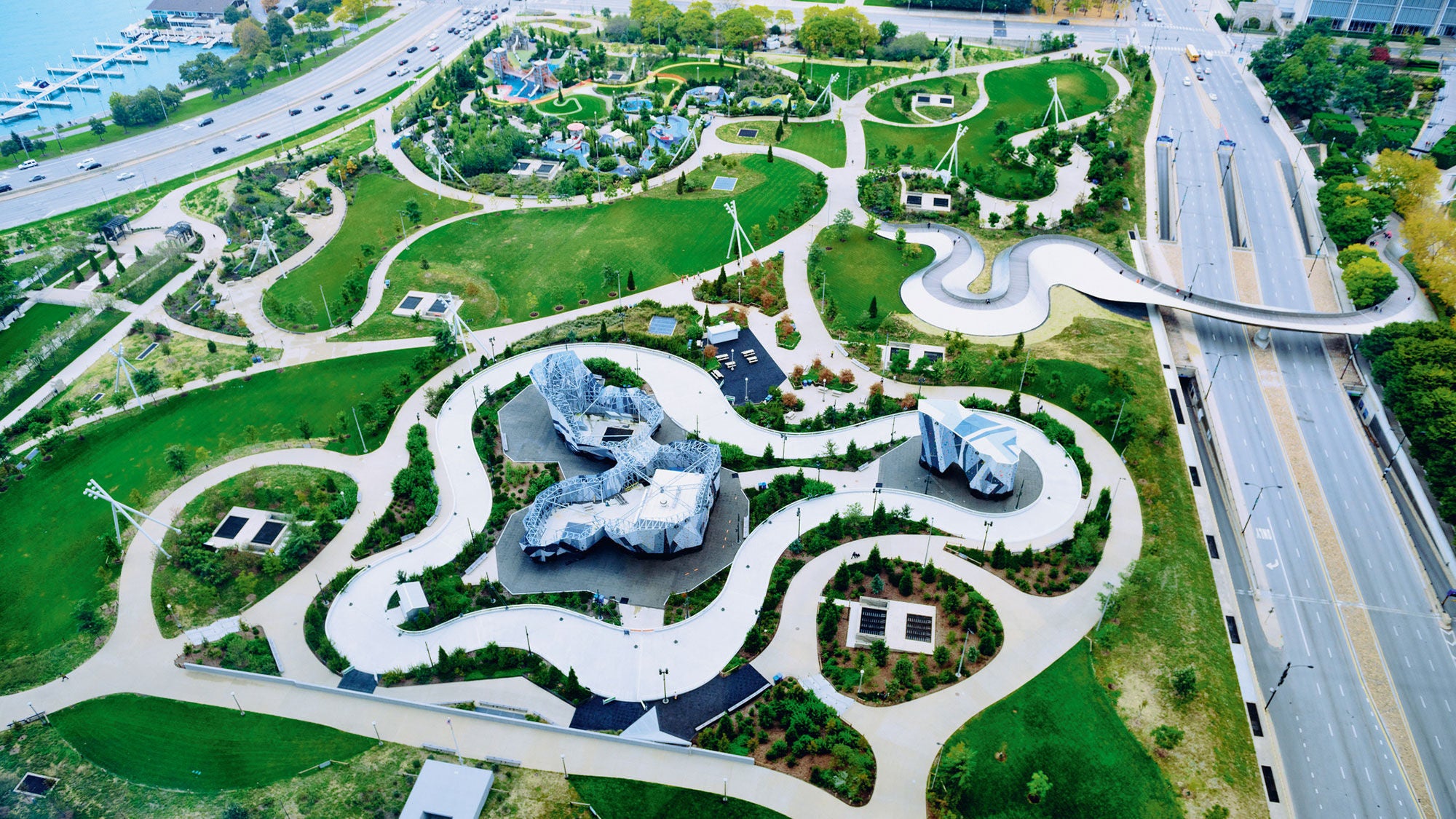 Landscaping for the 25-acre park required more than 20,000 tons of sand material, with 25 trucks delivering over 60 miles.
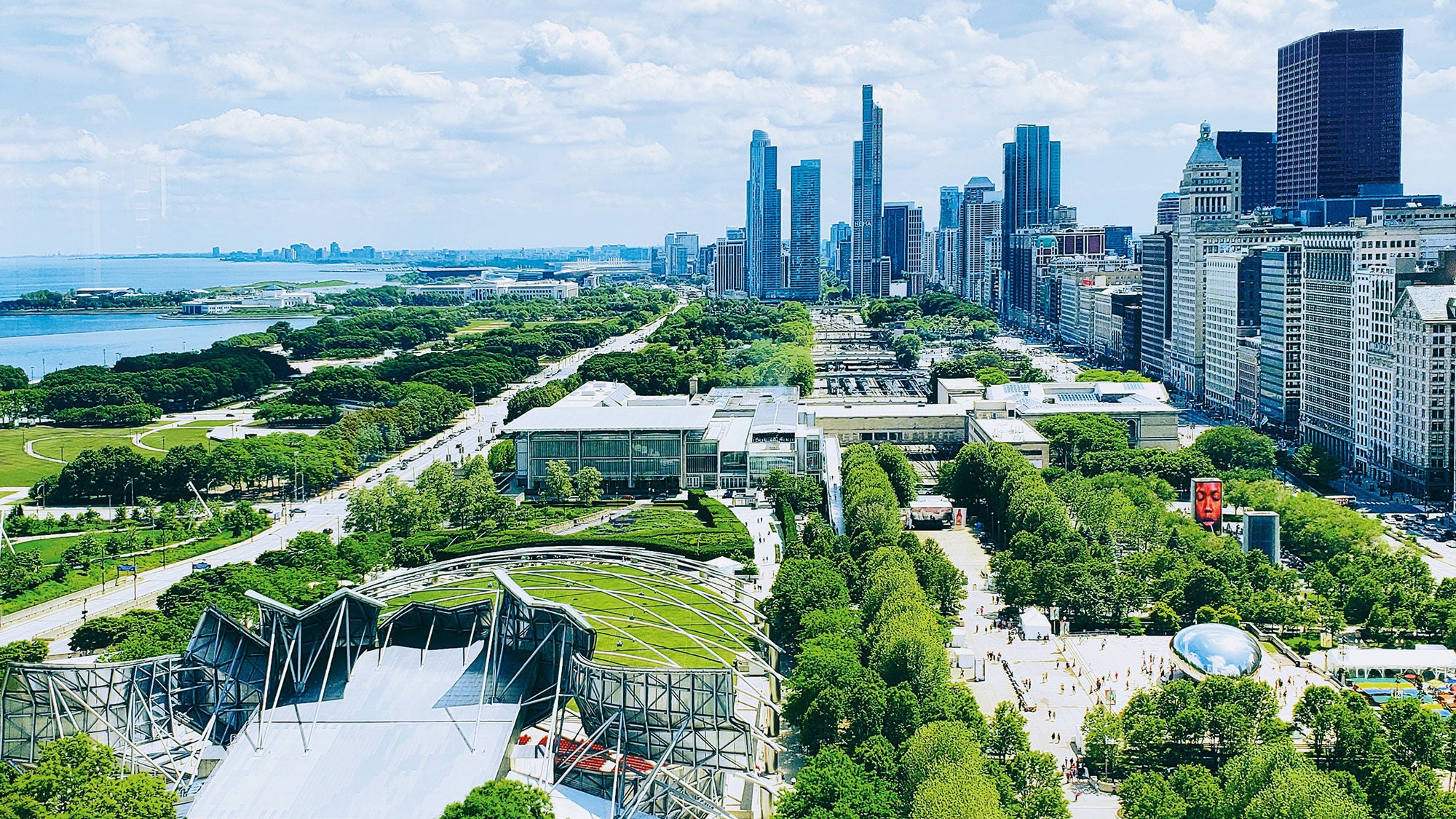 Chicago is known as the “City in a Garden” due to its 580 parks, 8,100 acres of green space and more than 100 miles of streetscape gardens.
What’s next for a city of reinvention? Architects share their vision in our 6-part series
“Architects shape the world we live in,” says Nollaig Forrest, Amrize’s Chief Marketing & Corporate Affairs Officer. “We really care about understanding their vision for the built environment so we can put our expertise, materials and science to work to help advance their designs and move things forward.”
The series continues with five more episodes, each celebrating an architect or firm that has exhibited at CAB — Carol Ross Barney; Juan Du; Studio Gang; Skidmore, Owings & Merrill (SOM) — or a topic the exhibition has tackled, such as the future of data centers, inspired by Clare Lyster’s prototype for a data center-farming development.
Chicago is always looking forward while never forgetting the past. The Biennial exists to keep that spirit alive. And Amrize — with its materials that help shape parks, communities and cities — is proud to help build what comes next.