
Build for LEED® with Amrize Solutions
From energy-efficient, resilient roofing systems to low-carbon, high-performance concrete Amrize’s Advanced Building Solutions help developers, architects, and contractors enhance building performance and achieve LEED certification goals.
Amrize is enabling LEED certification

Energy and Atmosphere
Optimized building envelope systems that enable operational energy efficiency.
Material and Resources
Lower embodied products backed by third-party validated environmental product declarations; GreenGuard Certified insulation with low VOC emissions.

Project Priorities
Building innovation expertise — from AI-optimized concrete to resilient roofing systems — to enhance each build.
Water Efficiency
Rainwater reuse systems using geomembranes for retention ponds and green roofs.
Sustainable Sites
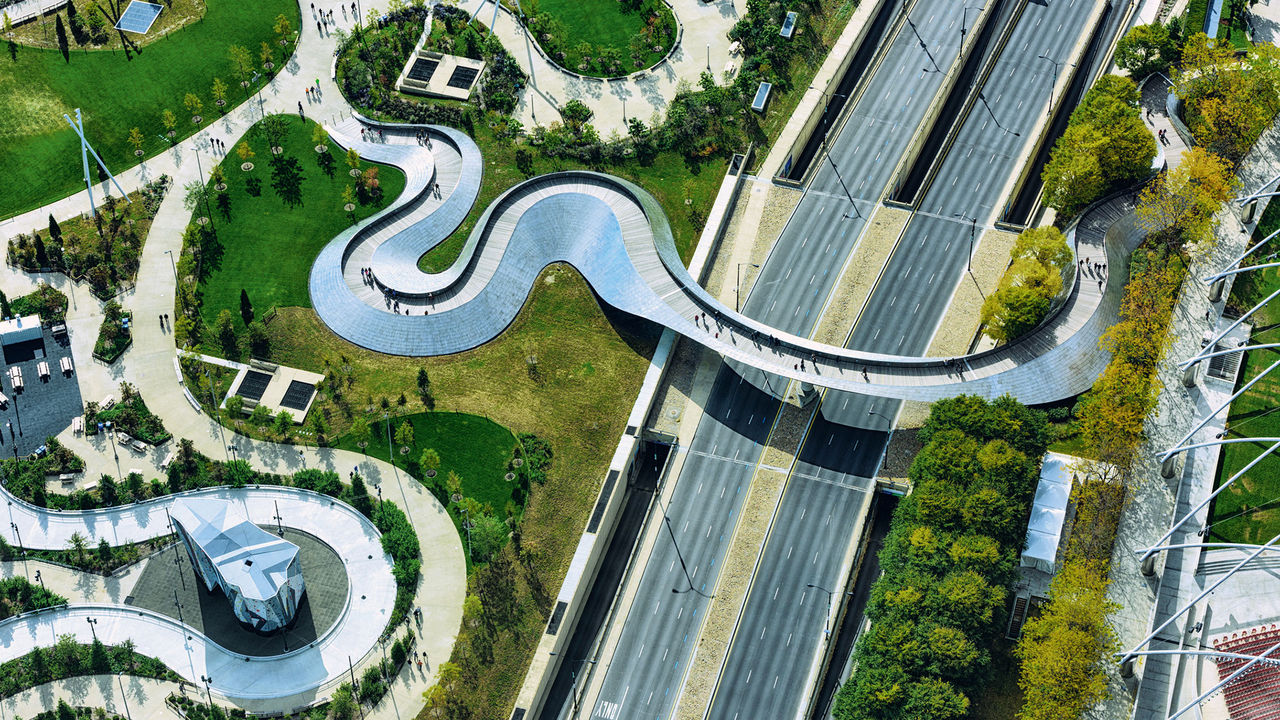
Cool roofs to reduce heat island effect and pervious concrete for stormwater management.
Indoor Environmental Quality
Building envelope systems with vegetative roofs designed for optimal thermal comfort, air quality, and nature views.
Amrize LEED credit tables
Building materials
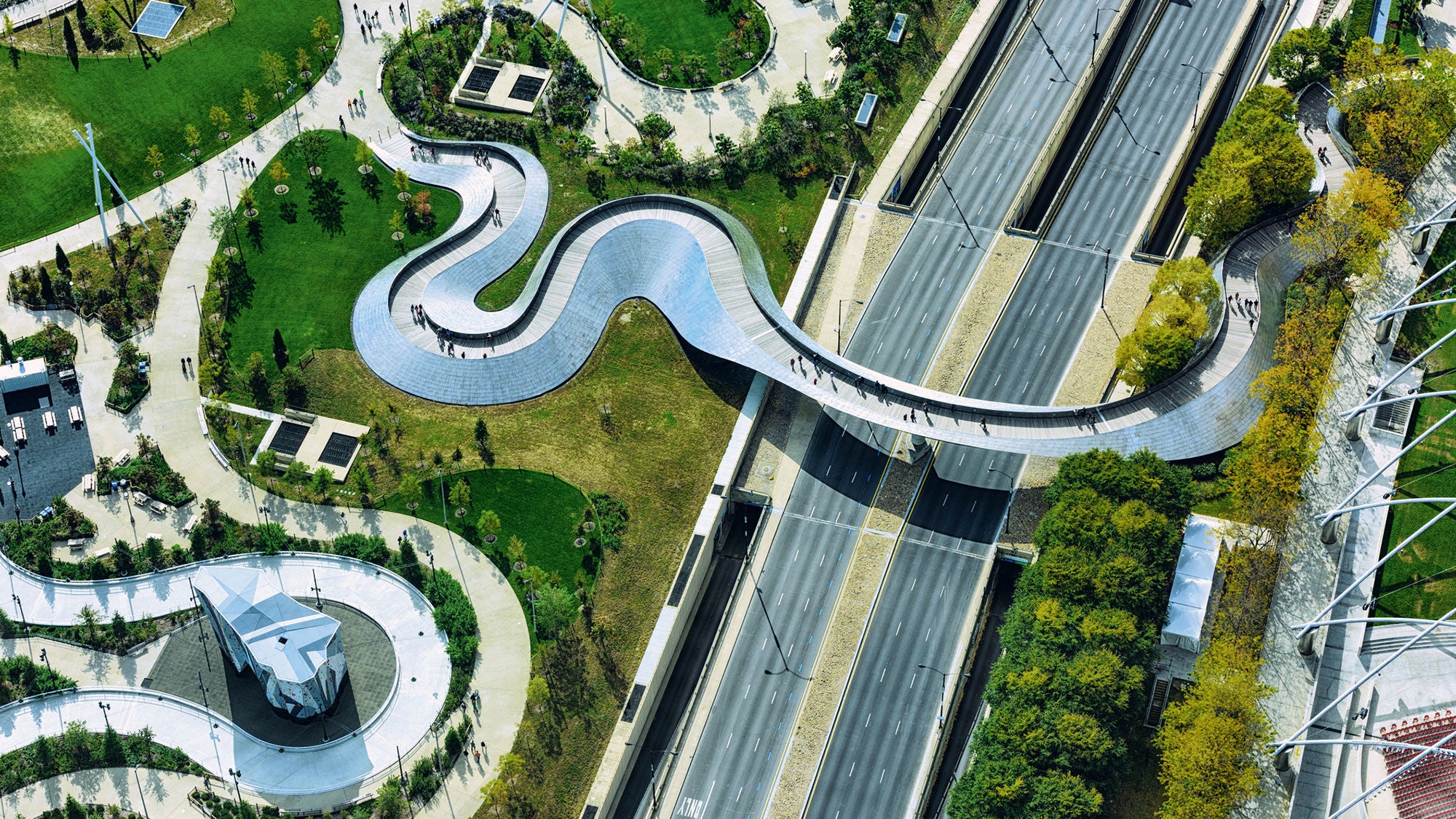
View credit tables for Amrize concrete, cement, asphalt, and other building materials
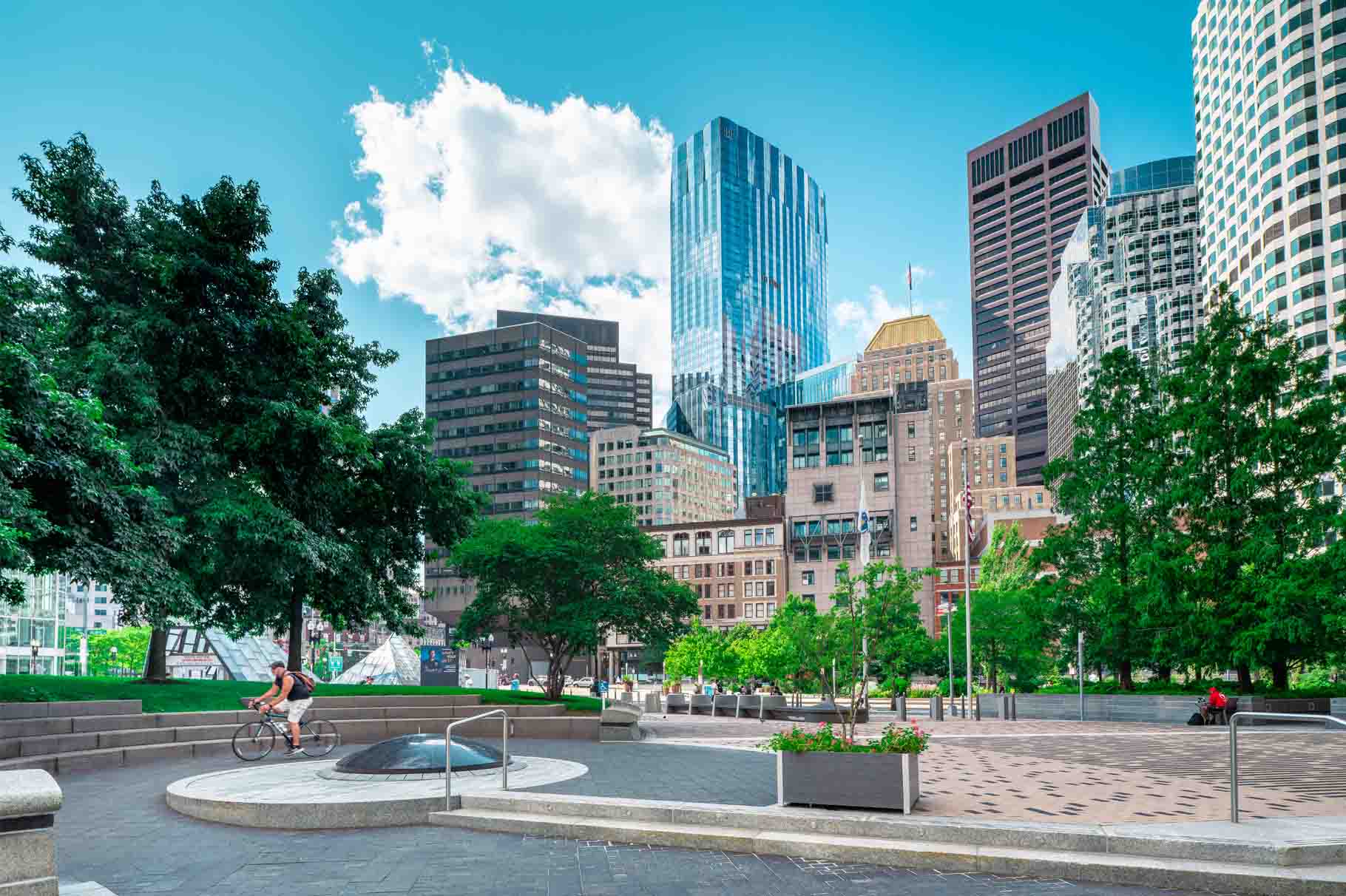
Amrize LEED building products
Cement
OneCem
High-performance, low-carbon Portland Limestone Cement provides performance while reducing CO2 emissions by 5-10%, helping projects meet embodied carbon reduction thresholds or whole-building Life Cycle Assessment (LCA) credits.
Concrete
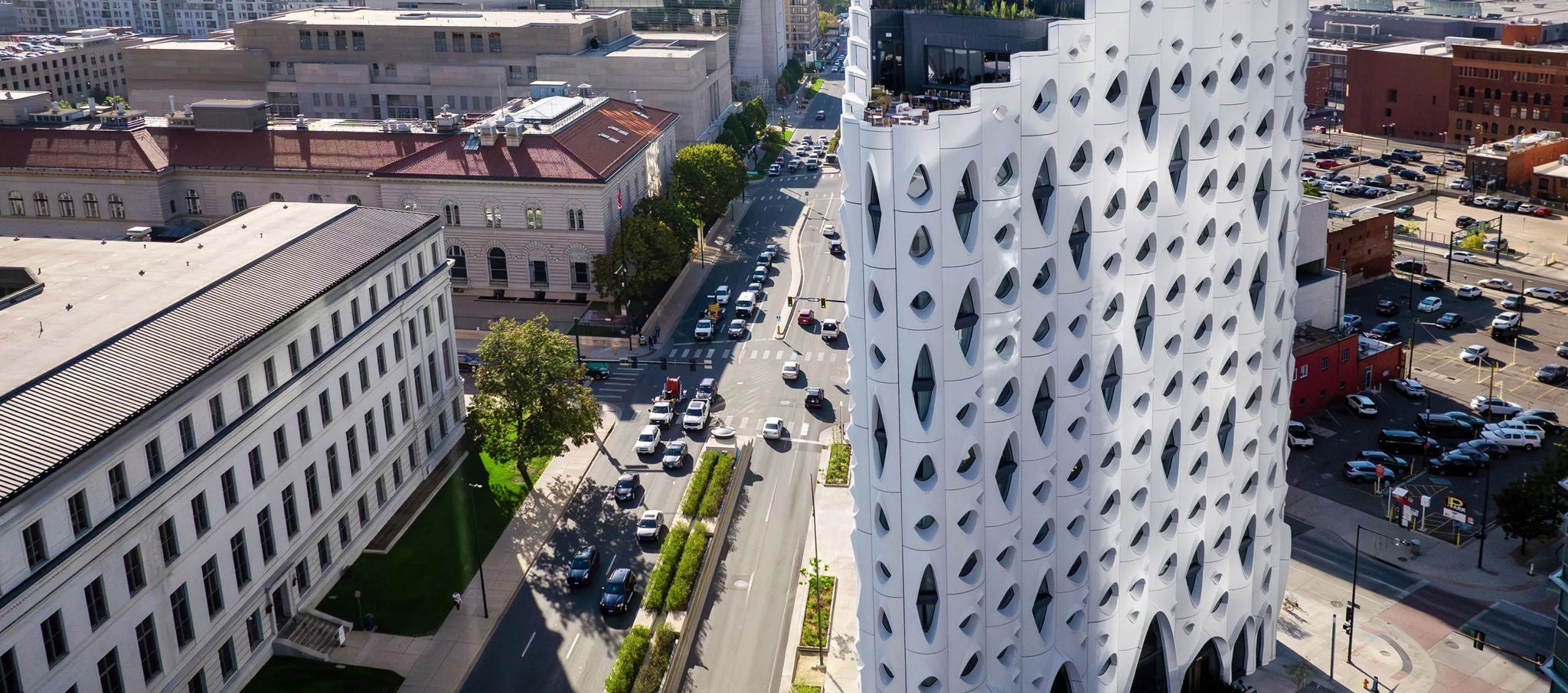
ECOtect
A low-carbon concrete delivering 100% performance with at least 30% lower carbon footprint.

Concrete
Pervious Concrete
Concrete engineered for sustainable water management that allows water to drain through the surface into the ground, which helps to reduce stormwater runoff, prevent flooding, and recharge groundwater.
Paving
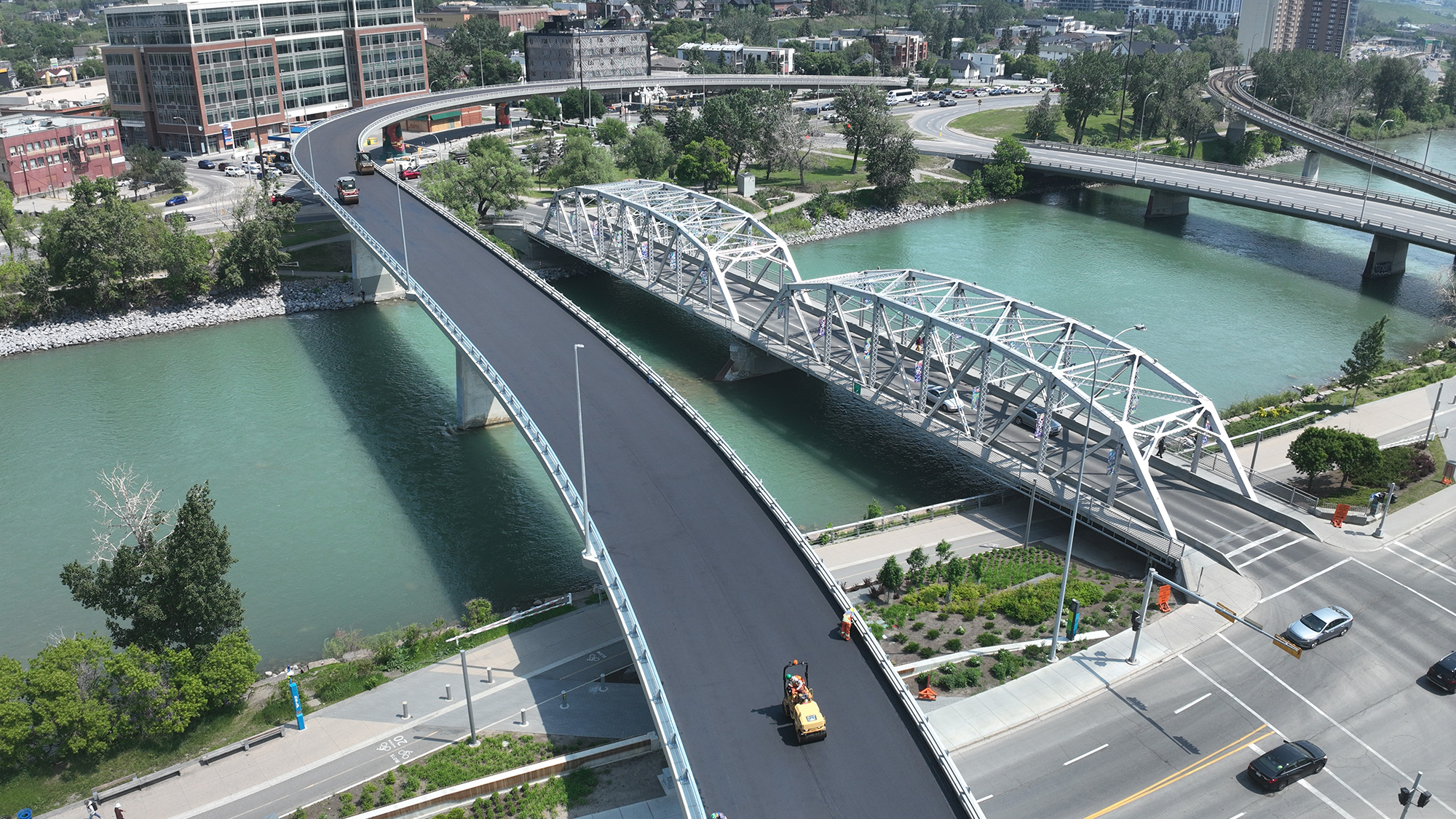
Advanced Asphalt Systems
A high-performance paving material that can earn points associated with recycling and waste management, plus regional priority points for the use of locally sourced materials.
Insulation
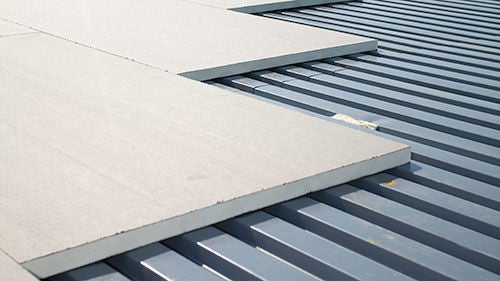
High R-Value ISOGARD™ Polyiso Insulation
With the highest R-value per inch at colder temperatures, ISOGARD polyiso insulation delivers up to 40% better thermal performance than major competitors when tested by an independent third party.
Insulation
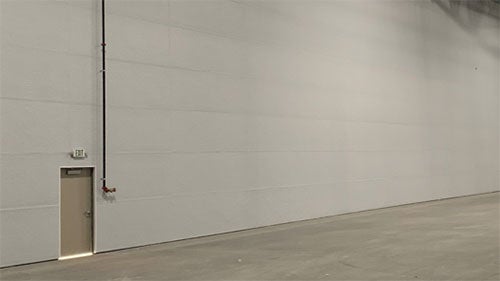
OX ISO RED MAX WF
This versatile, rigid polyiso insulator provides high thermal resistance (up to R-6.5) and vapor protection for concrete walls in commercial buildings.
Roofing
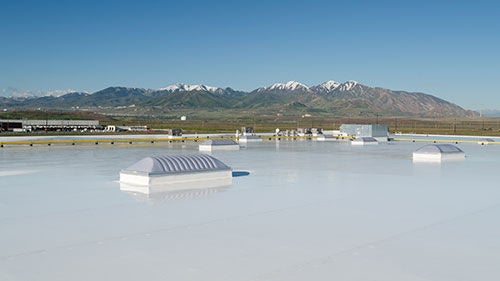
Elevate UltraPly™ TPO
Designed for diverse low-slope commercial applications, Elevate UltraPly™ TPO systems deliver exceptional cool roof energy efficiency while supporting sustainable solutions, such as solar arrays and vegetative green roofs.
Roofing
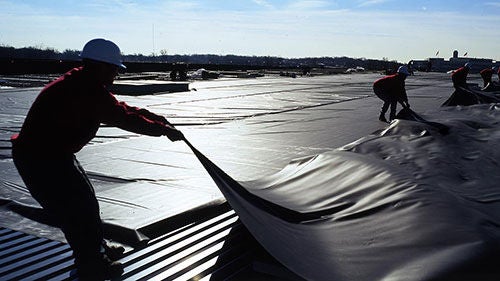
RubberGard™ MAX EPDM
Designed for long-term durability, this internally reinforced cured single-ply roofing membrane provides superior resistance to tears, punctures, and wind forces, helping to extend the service life of the roof assembly.
Roofing
Duro-Last PVC
Offers an extensive range of PVC roofing solutions that meet or exceed cool roof standards, which can help a building’s energy efficiency.
Roofing
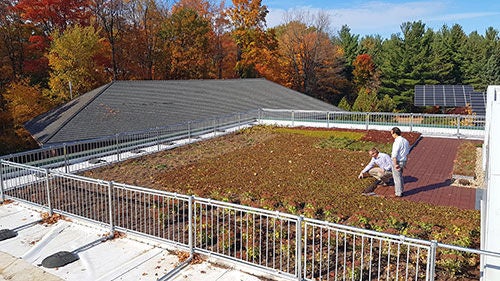
Vegetative Roofing Systems
Featuring an engineered design that encourages plant growth and provides enhanced stormwater management capabilities.
Roofing
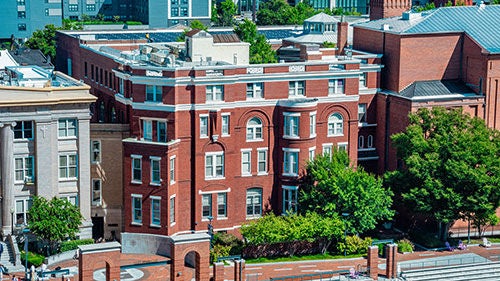
Gaco Roof Coatings
Gaco silicone, acrylic and urethane coatings, when applied in white to qualified substrates, are cool roof solutions designed to help prolong the lifespan of commercial roof systems, supporting landfill diversion by reducing the frequency of tear-offs.
Additional Products
Product Catalogue
Browse our full catalogue of products and brands to discover even more ways Amrize can support your advanced building materials and envelope needs.
Amrize LEED building solutions
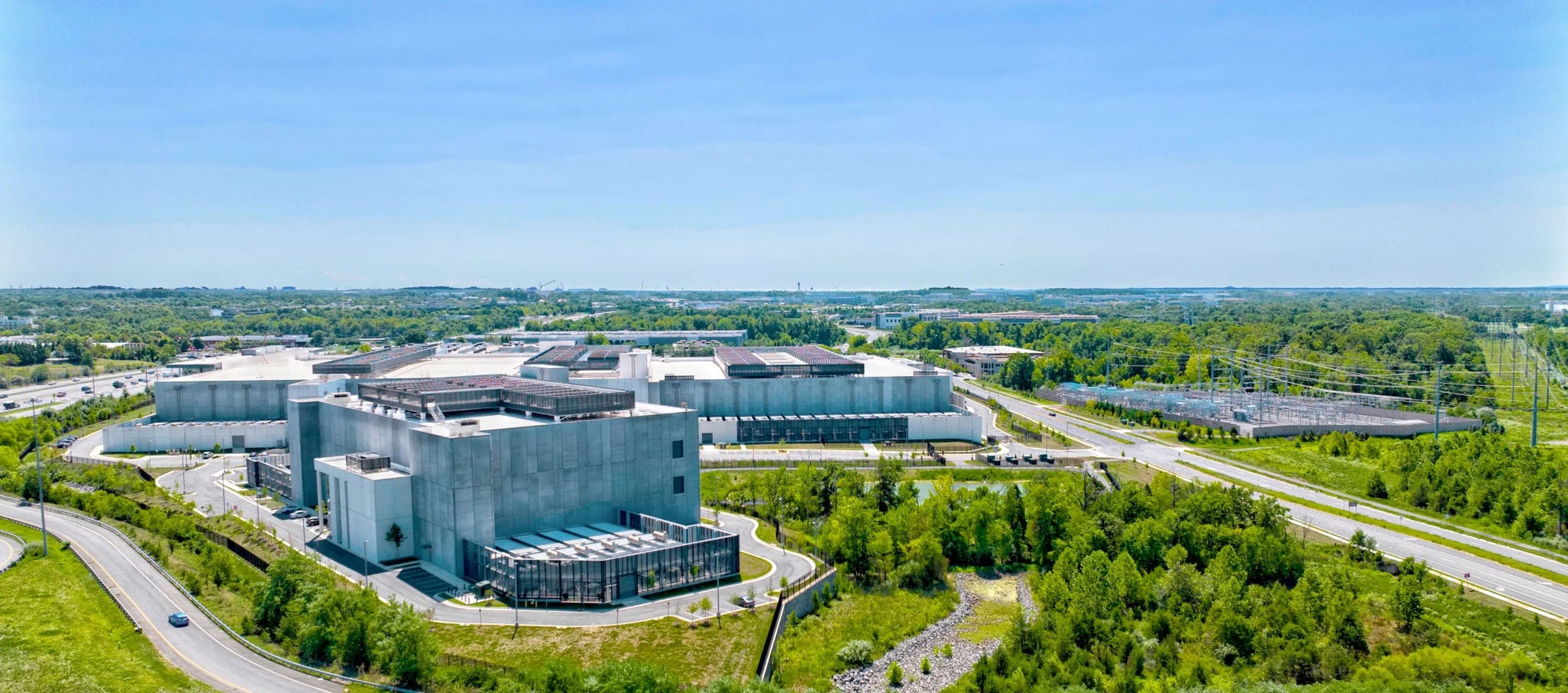
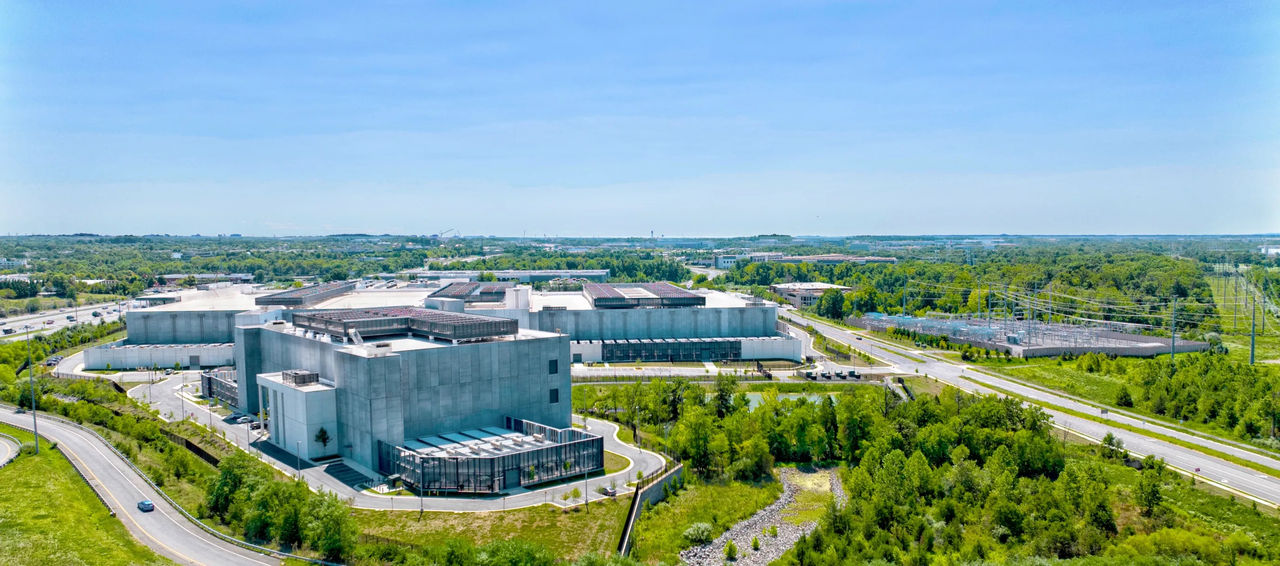
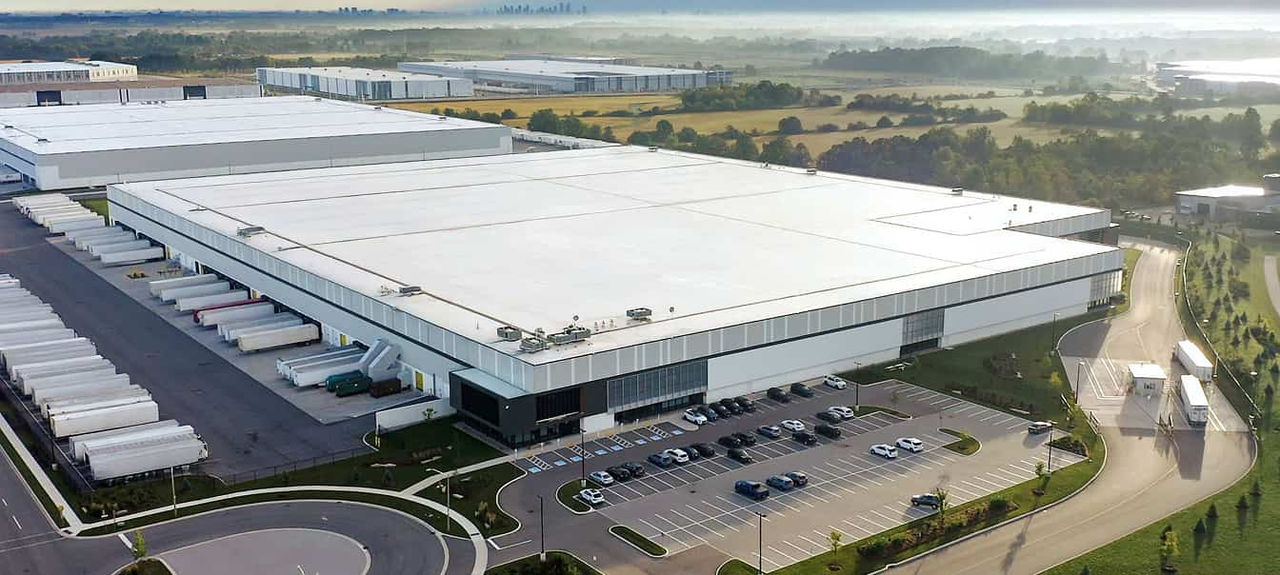
Foundation-to-rooftop solutions for data center hyperscalers
Build sustainably with speed at scale. Amrize provides a range of high-performance building materials—from AI-optimized concrete and low-carbon cement to energy-efficient cool roof technologies—to maximize your LEED score and streamline your construction.
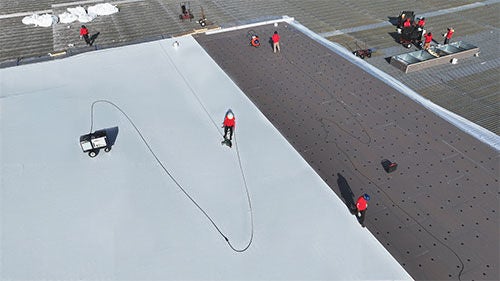
Protective roofing membranes for critical infrastructure
Protecting data center uptime requires a facility built for high-stakes environments. An Elevate MAX PVC roof system offers a highly reflective surface designed to help reduce rooftop thermal loads, paired with the robust durability and puncture resistance needed to help safeguard your assets against continuous infrastructure maintenance and equipment servicing.
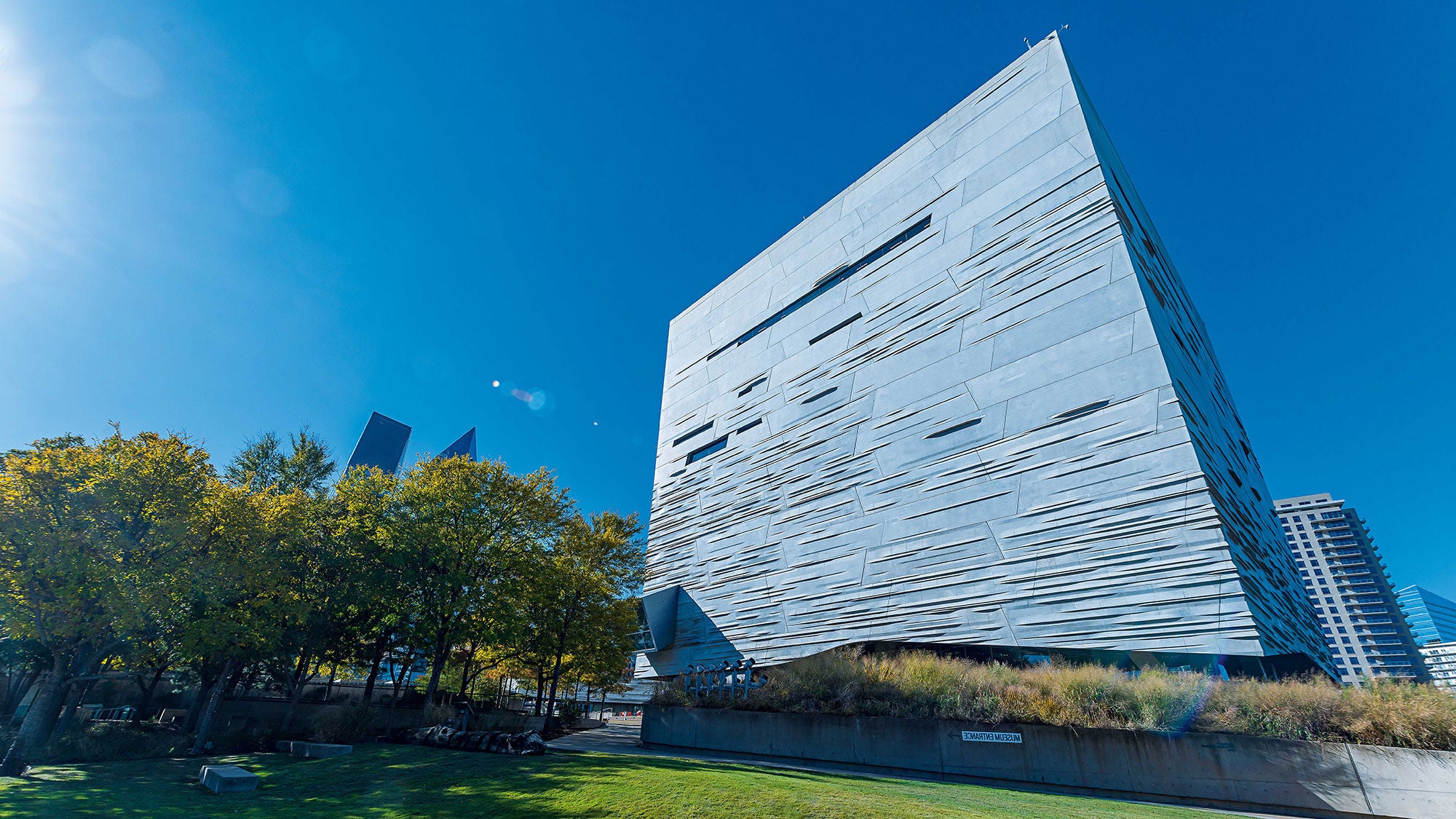
Low-carbon, high-performance, customizable concrete mixes
Achieve your desired LEED certification level with concrete that meets the most demanding performance requirements and offers improved workability. EVERtect high-performance concrete is a smart system, with precision-engineered mixes, that raises the standard for the building industry.
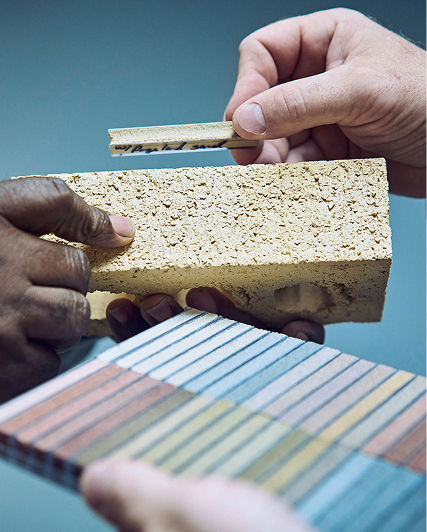
Amrize Environmental Product Declarations
Amrize’s LEED-based solutions in action
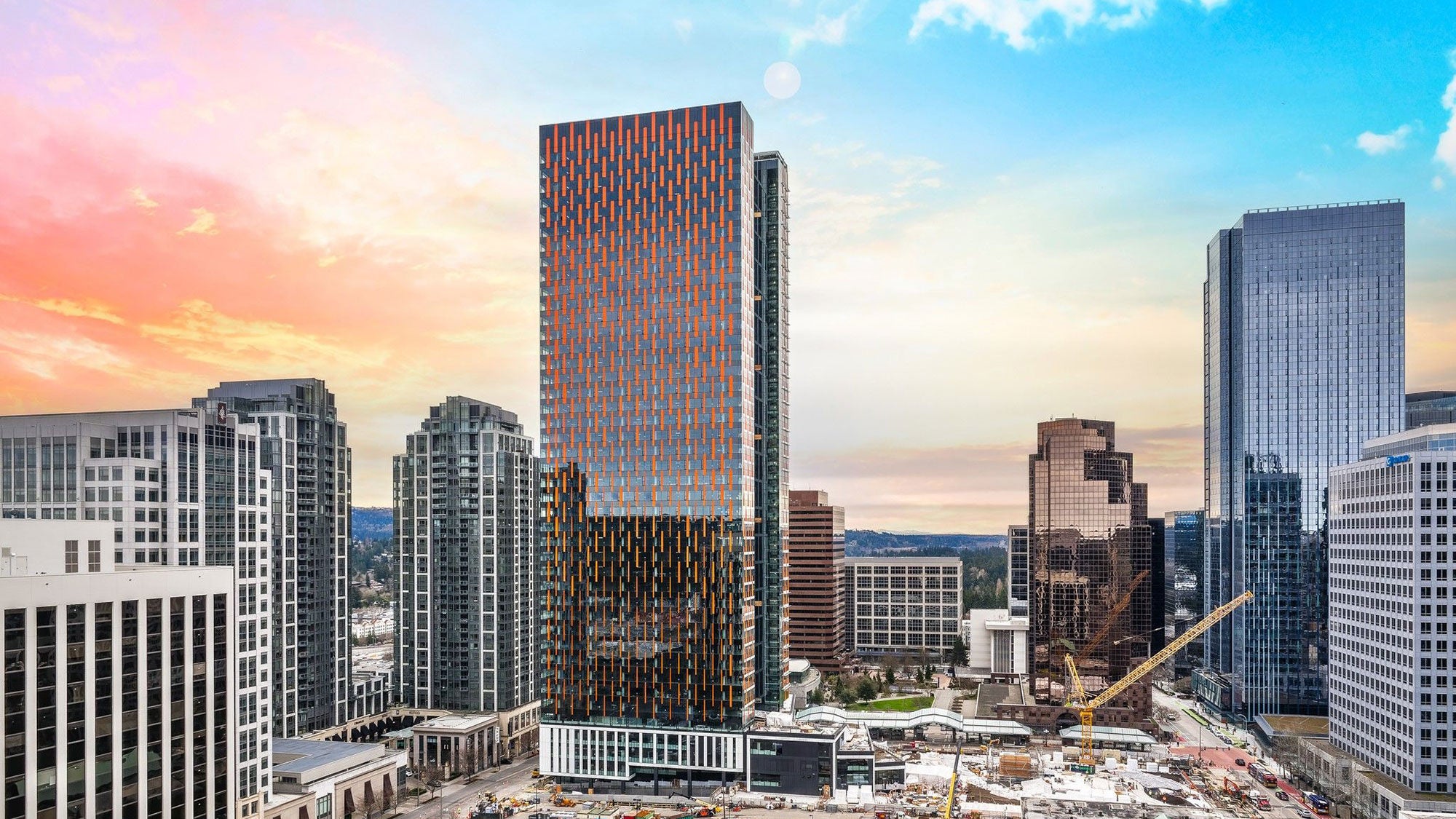
Amazon’s new office towerfeatures a first-of-its-kind, near-zero-Portland cement concrete with a 62% lower embodied carbon footprint.
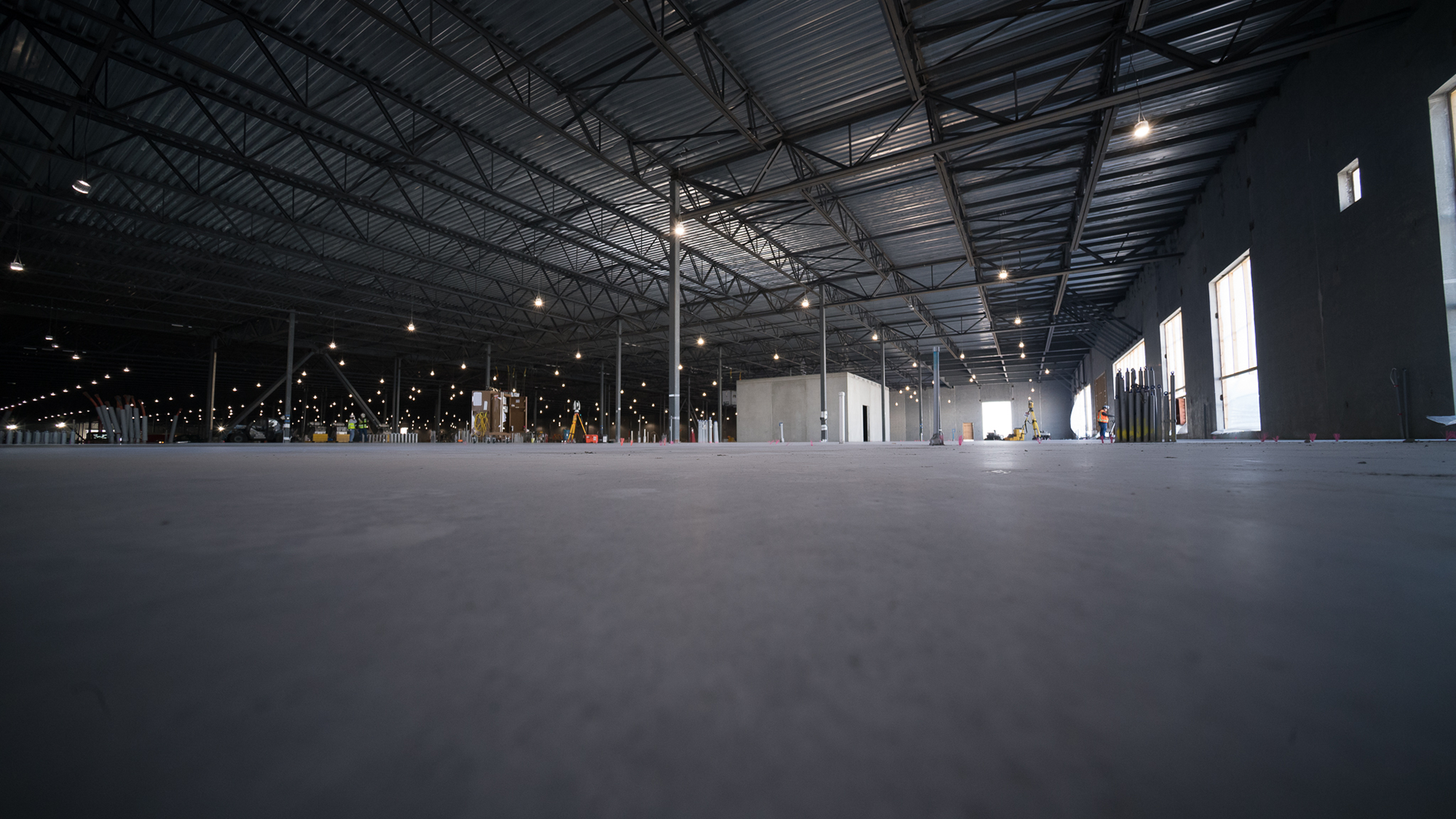
Amrize, the University of Illinois Urbana-Champaign, and Meta created an AI-optimized mix that is 43% faster in early strength and 35% less carbon intensive.
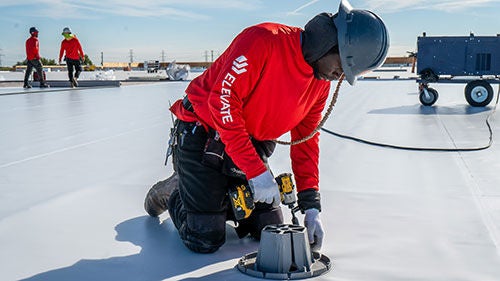
Elevate MAX PVC has been named the 2026 Innovative Product Showcase & Awards People’s Choice Winner at the International Roofing Expo.
LEED Frequently Asked Questions
LEED stands for Leadership in Energy and Environmental Design. It is one of the world's most widely used green building certification systems, developed by the U.S. Green Building Council® (USGBC).
LEED promotes sustainable building practices by encouraging:
- Lower environmental impact through reduced greenhouse gas emissions, waste, and resource consumption.
- Energy and water efficiency to help lower operating costs throughout a building's lifecycle.
- Healthier indoor environments by recognizing the use of low-emitting materials, improved ventilation, and strategies that enhance occupant comfort and well-being.
- Reduced embodied carbon through the selection of lower-impact building materials and the use of Environmental Product Declarations (EPDs) to demonstrate environmental performance.
LEED v4.1 focuses on improving building efficiency across energy, water, and materials, with sustainability largely driven by incremental performance improvements and design-based credits.
LEED v5 shifts the framework toward climate impact reduction, placing stronger emphasis on whole-life carbon, embodied carbon, and actual operational emissions, with greater weight on decarbonization and climate resilience.
Key differences in brief:
- Focus: Efficiency (v4.1) vs. decarbonization and climate outcomes (v5)
- Carbon: Indirect emphasis vs. central metric (operational + embodied carbon)
- Materials: Transparency-focused vs. stronger push for low-carbon and circular materials
- Resilience: Optional/limited vs. more explicit climate risk integration
- Performance: Design intent vs. stronger emphasis on real-world performance outcomes
- Reducing operational carbon: LEED v5 prioritizes energy efficiency, electrification, and renewable energy, helping projects lower the operational emissions that the AIA 2030 Commitment seeks to minimize.
- Addressing embodied carbon: LEED v5 places greater emphasis on selecting low-carbon building materials and using products with Environmental Product Declarations, supporting the AIA's goal of reducing emissions associated with construction materials.
- Encouraging high-performance design: LEED v5 promotes optimized building envelopes, efficient HVAC systems, and energy modeling, which supports the overall improvement of building performance and helps projects meet AIA 2030 energy reduction targets.
- Supporting performance measurement: LEED v5 emphasizes measurable building performance and ongoing verification, complementing the AIA 2030 Commitment's focus on tracking and reporting project energy performance.
- Promoting resilience and occupant health: LEED v5 also addresses indoor environmental quality, resilience, and sustainable site strategies, aligning with the AIA Framework for Design Excellence and its holistic approach to sustainable design.
A high-performance building envelope is one of the most important contributors to LEED v5 because it improves building efficiency, reduces carbon emissions, and enhances occupant comfort.
By incorporating effective insulation, airtight construction, and thermal bridge mitigation, the building envelope lowers heating and cooling demands, reducing operational energy use and supporting LEED's decarbonization goals.
Additionally, selecting products with Environmental Product Declarations helps earn material-related credits. Overall, the building envelope supports multiple LEED v5 credit categories, making it a key factor in achieving higher certification levels.
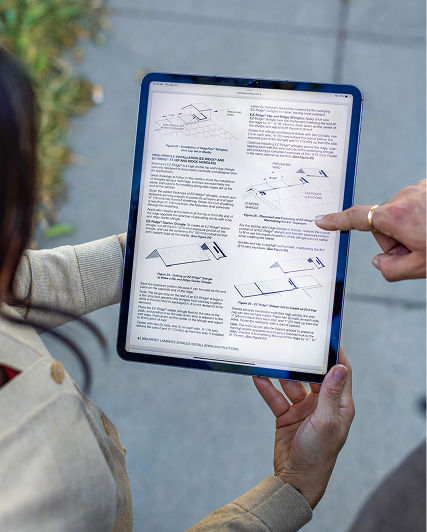
Amrize offers a comprehensive portfolio of roofing and building envelope solutions designed to help project teams meet evolving sustainability goals. These products contribute to LEED certification by delivering proven durability, long-term building performance, and support for key environmental objectives. Our building envelope portfolio includes trusted brands such as Elevate, GACO, Malarkey, Duro-Last, and Ox.
For more information, please refer to the LEED v5 guide for Elevate commercial roofing.
Amrize’s Building Materials can assist with the following prerequisites and credits:
- IPp3: Carbon Assessment
- SSc1: Biodiverse Habitat
- SSc3: Rainwater Management
- SSc4: Enhanced Resilient Site Design
- SSc5: Heat Island Reduction
- MRp2: Quantify and Assess Embodied Carbon
- MRc2: Reduce Embodied carbon
- MRc3: Low-emitting materials
- MRc4: Building Product Selection and Procurement
- MRc5: Construction and Demolition Waste
- WEp2: Minimum Water Efficiency
- WEc2: Enhanced Water Efficiency
Amrize is able to provide Environmental Product Declarations (EPDs) for project-specific materials.
For more information, please refer to the building materials guide..