Concrete that Speaks at the Obama Presidential Center.
 The Obama Presidential Center is a 19.3-acre civic and cultural campus commemorating the presidency of Barack Obama, the 44th president of the United States.
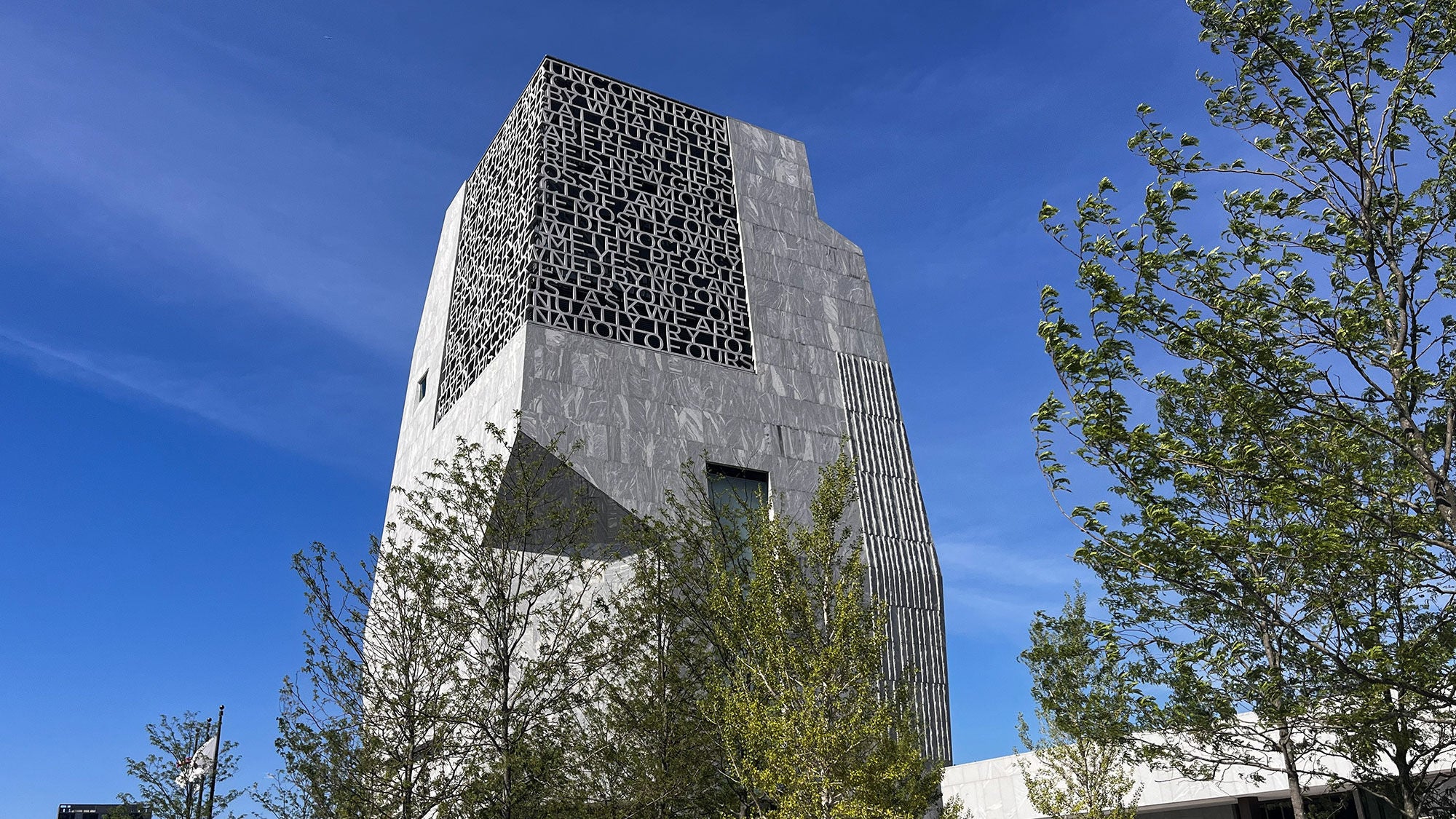
- A corner of the facade of the Obama Presidential Center in Chicago spells out 103 words from Obama's "You Are America" speech in 458 individual concrete letters, each over 4 feet tall.
- The letters are cast from MAXtect™, Amrize's ultra-high-performance concrete (UHPC).
- Fine Concrete, Amrize and TYLin developed a custom approach to make the letters behave as load-bearing structures while appearing to float.
- Opened in June 2026, the Obama Presidential Center represents the tallest and longest span of UHPC ever installed on a building in North America.
Two firms were approached with a challenge. Take a passage from a presidential speech set in giant concrete letters, and turn it into a buildable facade. One walked away, saying it couldn't be done as drawn. The other, North American UHPC fabricator Fine Concrete, working with structural engineers TYLin, disagreed. They believed there was a way — and turned to Amrize to help find it.
"They had been trying to figure out how to make this, and looked at a lot of different building materials, and so far hadn’t found a solution for doing it,” recalls Alexander Kitchin, Fine Concrete’s founding partner and director of design. The pitch, from Tod Williams Billie Tsien Architects (TWBTA) and facade architect Heintges, was for a wall made entirely of letters — a 103-word excerpt of President Obama’s “You are America” speech — held in place with no visible connections.
The scale alone was monumental: 458 letters, each over 4 feet tall, sitting near the top of a 225-foot tower.
Fine Concrete and TYLin were invited to build a mock-up. With their refusal to stop at “Let’s see if we can solve it,” and push to “Let’s use materials to enhance the design,” the pair won the bid.
Their "Yes we can" answer became the facade of the Obama Presidential Center, a museum and community campus in Chicago's historic Jackson Park. Each letter was cast from Amrize’s UHPC MAXtect, a material that would prove to be singularly up to the task of writing construction history.
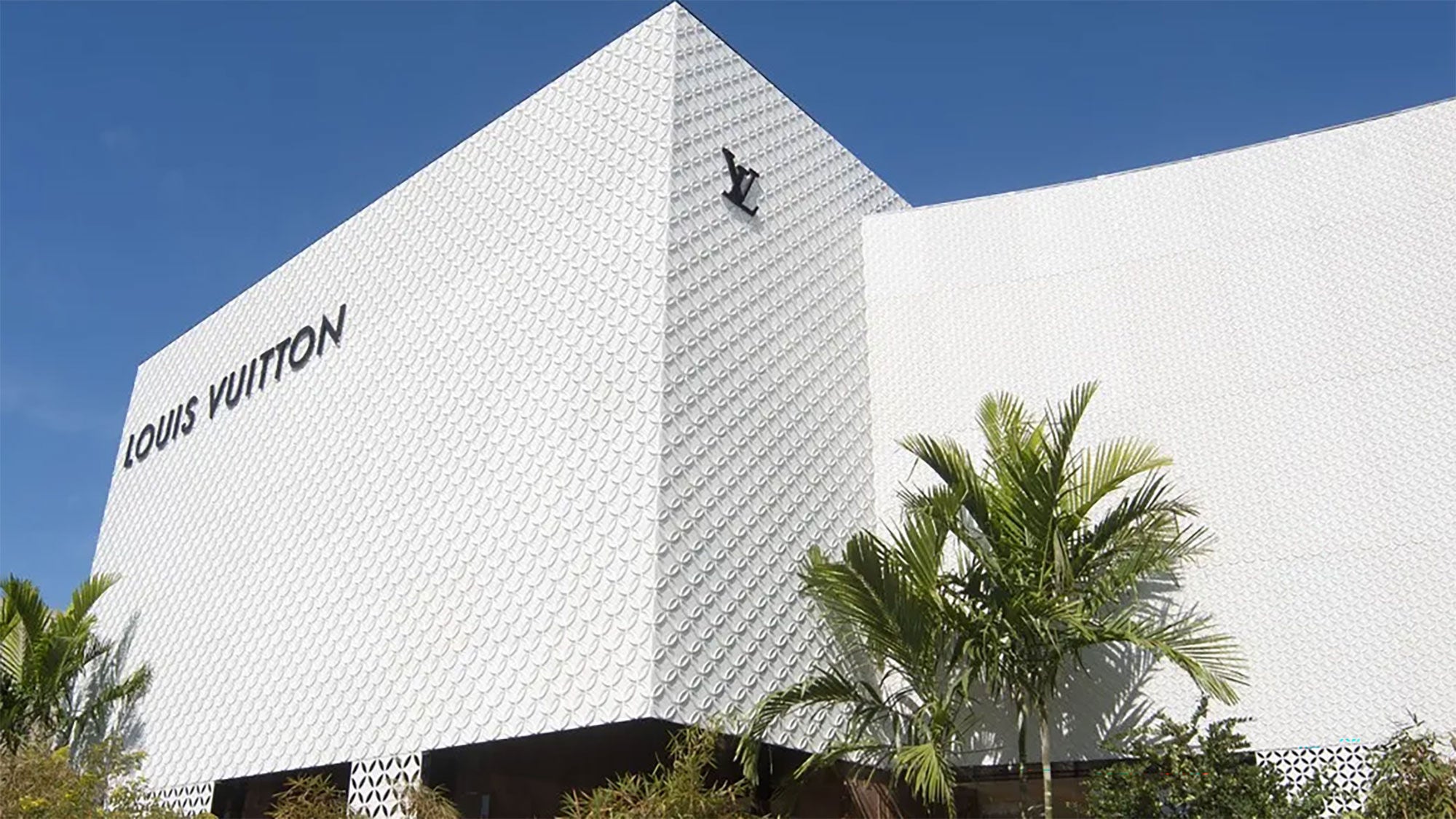
What is MAXtect™?
MAXtect is Amrize’s ultra-high-performance concrete (UHPC), engineered with a high-strength cementitious matrix and advanced fiber technology for exceptional strength, durability and design flexibility.
It performs across a range of applications, including bridges, architectural cladding panels, structural building elements, hydraulic structures and industrial slabs.
Why was Ultra-High-Performance Concrete (UHPC) the only material suitable for the Obama Presidential Center's facade?
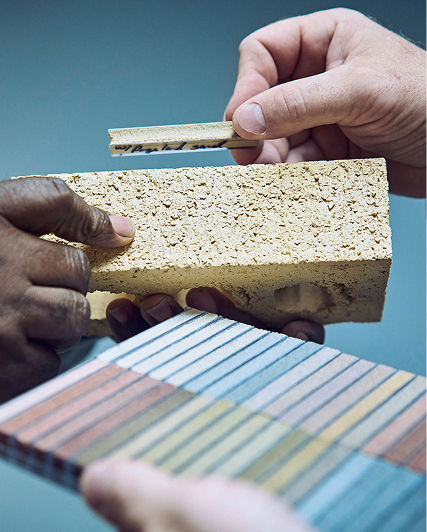
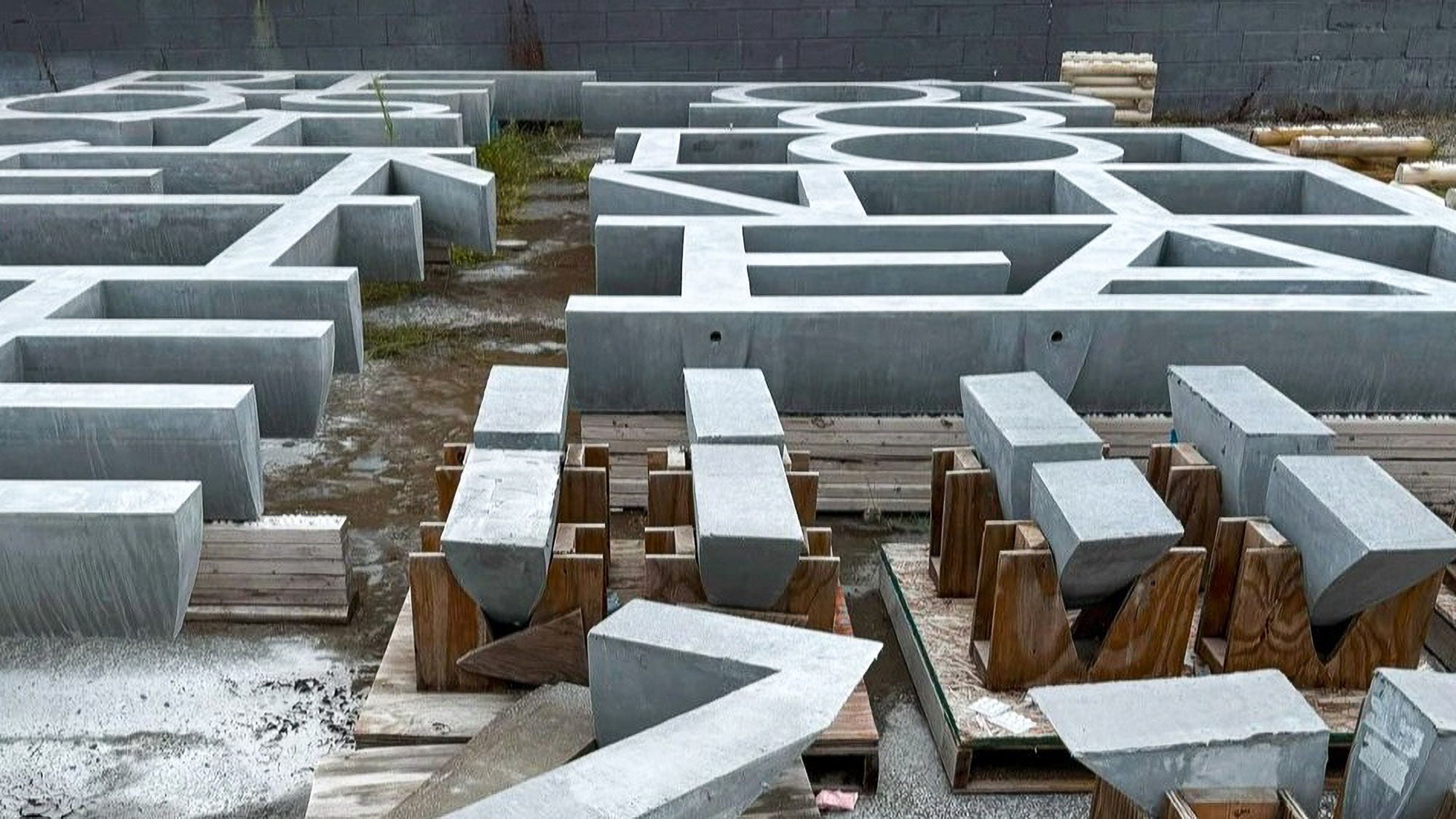 The completed letters showcase the level of precision and finish possible with MAXtect architectural appearance-grade UHPC, from the small details to the overall form.
UHPC is the only material strong and flexible enough to form solid, freestanding concrete letters at this scale while withstanding Chicago's notorious weather. Chicago isn’t called “The Windy City” for nothing. It can also be the cold city, the hot city, the rainy city and the snowy city — all conditions the concrete had to withstand.
“UHPC was the only way we could have arrived at this solution in its current form," says Chris Bird, senior structural engineer at TYLin. “It has the benefits of stone in an exterior application. It's durable and meets the exposure criteria, but it also has the ductility and flexibility of steel. Neither of those materials alone would have been appropriate for this type of structure.”
“When we present UHPC to architects, you can almost see a light switch go on. All of the crazy things they've sketched but never thought could actually be built suddenly seem possible in precast concrete.”
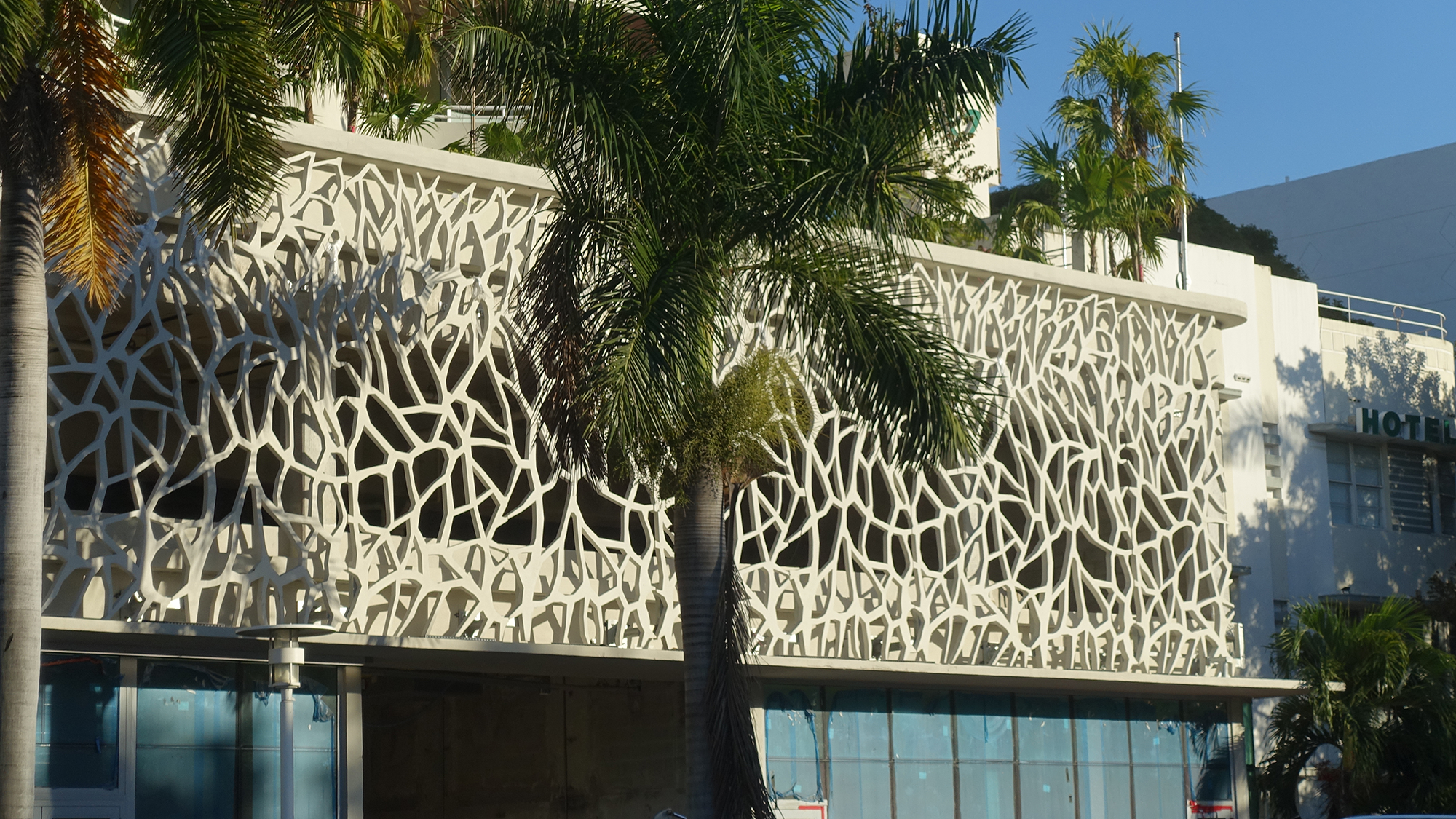
Fine Concrete and Amrize were ready for this moment. The two companies had collaborated on other projects using MAXtect for over a decade — including this specific mix: an ultra-high-performance cementitious matrix and high-strength fibers. "At the time, Fine Concrete was the only fabricator in North America that had used the stainless steel fiber mix," notes Michael Finnegan, Fine Concrete’s president. The partnership has also brought MAXtect to other complex architectural applications, including the Thompson Hotel in Miami.
According to Nicole Sherman, the other founding partner and managing director at the time, the Fine Concrete-Amrize relationship was closer to a field-testing partnership than a traditional supplier relationship. Uchenna Nwogu, Amrize’s director of operations for MAXtect, recalls how they refined MAXtect’s color consistency, fiber dispersion and workability through repeated trials.
“Fine Concrete has a lab, so we’d send some of our technical team members down there to run extensive testing across multiple batches, and they opened up their space to us to conduct multiple repetitions of the mix, working closely together to make sure it was up to standard.”
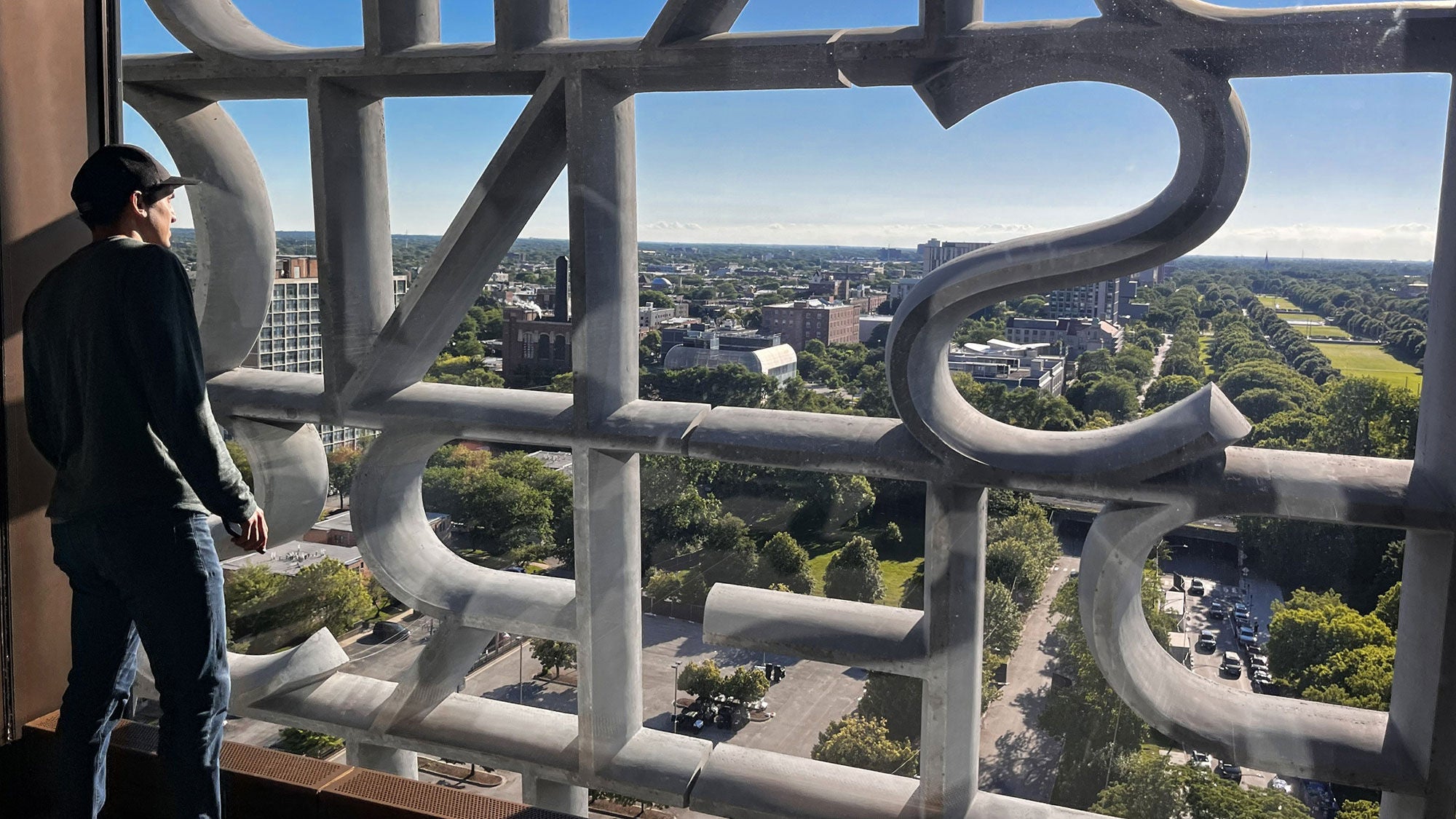 A visitor looks through the letter facade from inside the 225-foot main tower.
Architectural UHPC has 10 times the compressive strength and over five times the tensile strength of traditional concrete. While the blend has been used internationally for decades, projects of this scale remain rare on this side of the Atlantic. U.S. standards are still being developed, which is why Michael says MAXtect’s track record carries real weight for architects and engineers considering it for the first time.
“What the MAXtect brand brings is a 25- to 30-year history of precedent projects. Amrize built the UHPC category, and Fine Concrete, in our history of working with that material in the U.S., is the gold standard of fabrication with it.”
Amrize sees that history as the foundation of the relationship too. “We were one of the first suppliers of UHPC in the market, so our reputation has been built on a consistent, durable product. We’ve delivered multiple projects over the years that have demonstrated our reliability,” says Uchenna. “Fine Concrete has stayed with us through all that time, and we’ve continued to build and grow the relationship.”
That track record is part of why Fine Concrete has treated Amrize as a partner of choice for its UHPC work. And this UHPC project represented a technical challenge like no other.
How did engineers make individual letters behave like load-bearing elements?
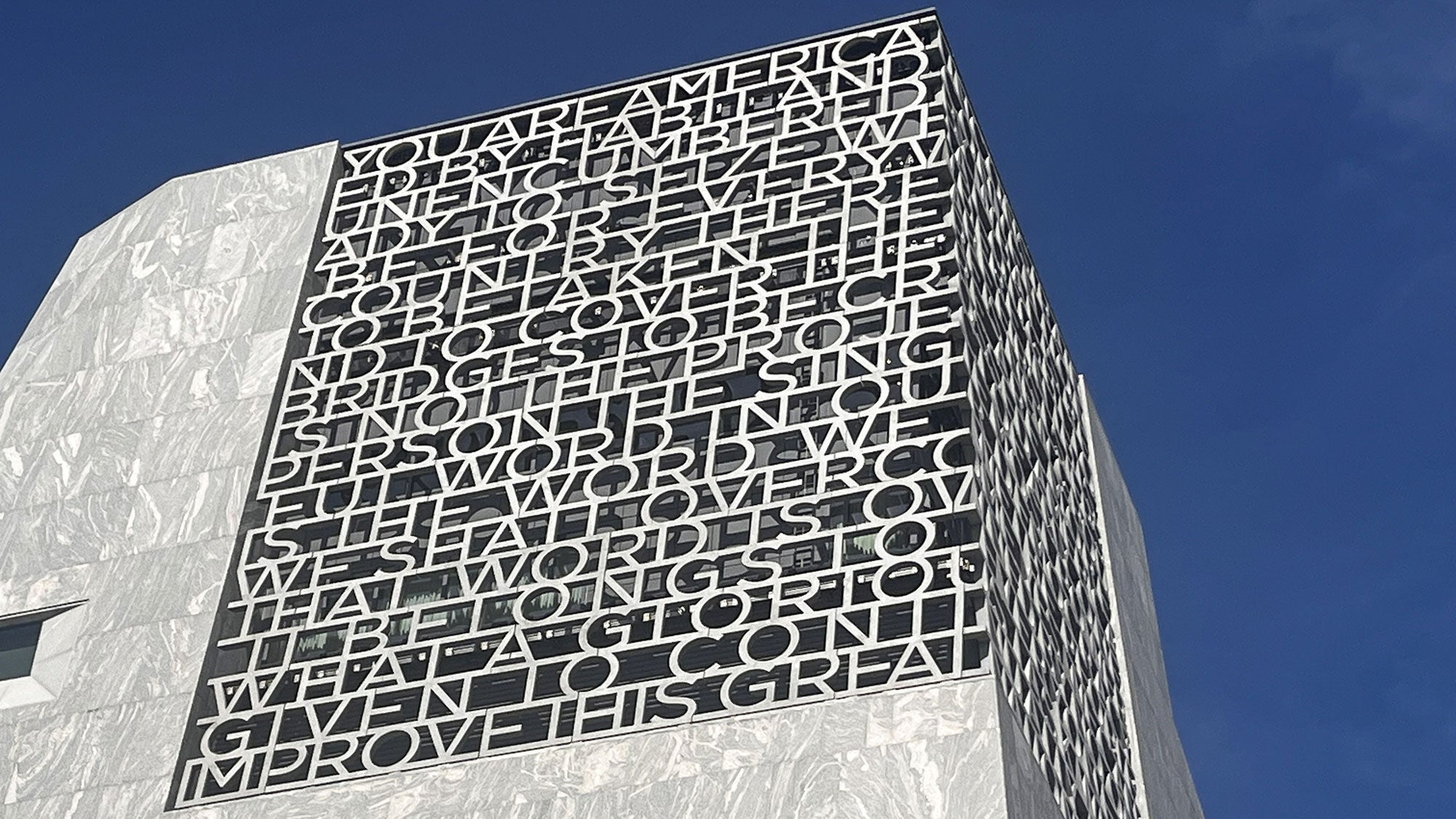 The system was designed to keep supports nearly invisible, allowing visitors on the seventh and eighth floors to look through the facade without seeing a forest of steel.
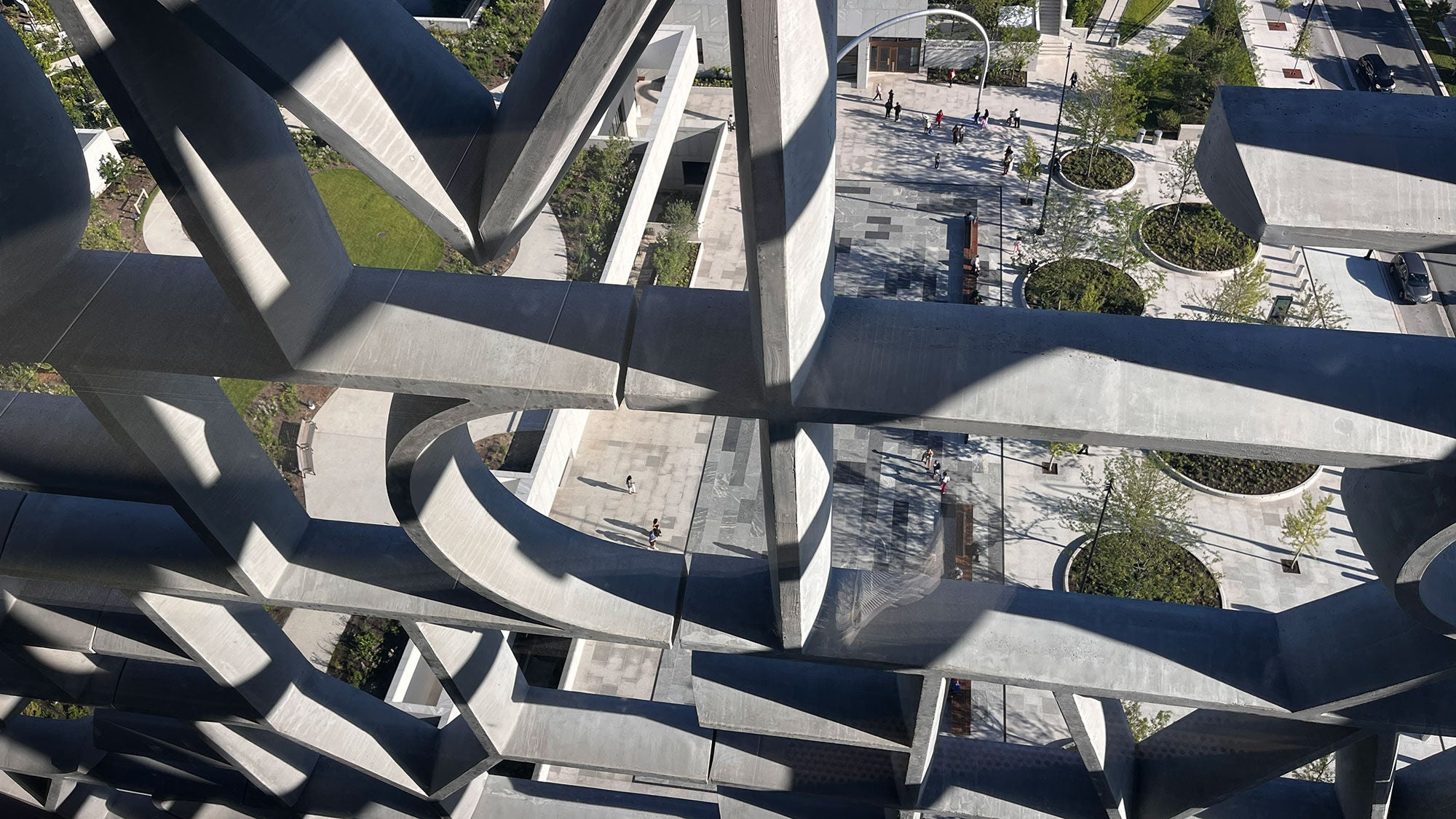 The system was designed to keep supports nearly invisible, allowing visitors on the seventh and eighth floors to look through the facade without seeing a forest of steel.
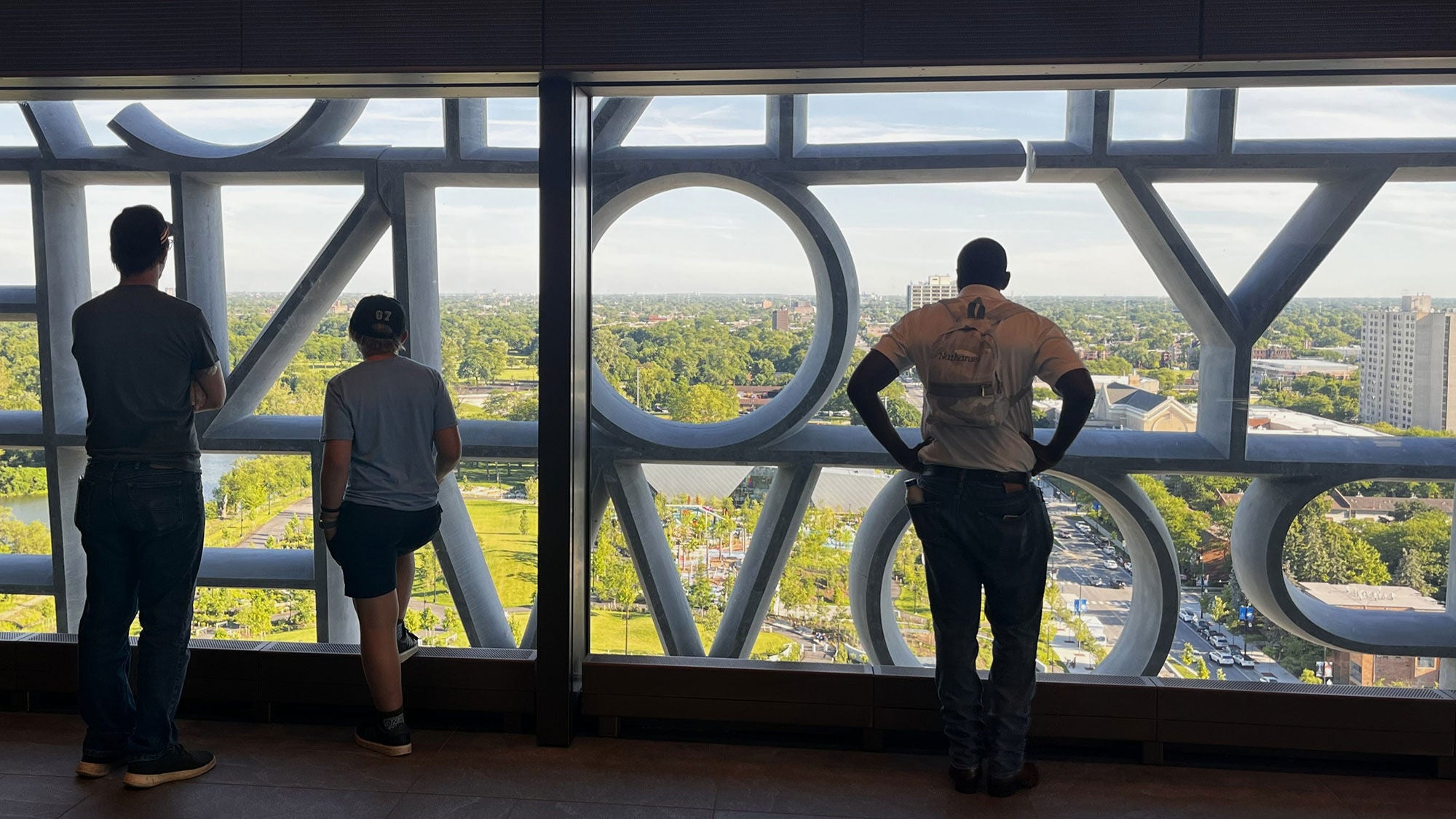 The system was designed to keep supports nearly invisible, allowing visitors on the seventh and eighth floors to look through the facade without seeing a forest of steel.
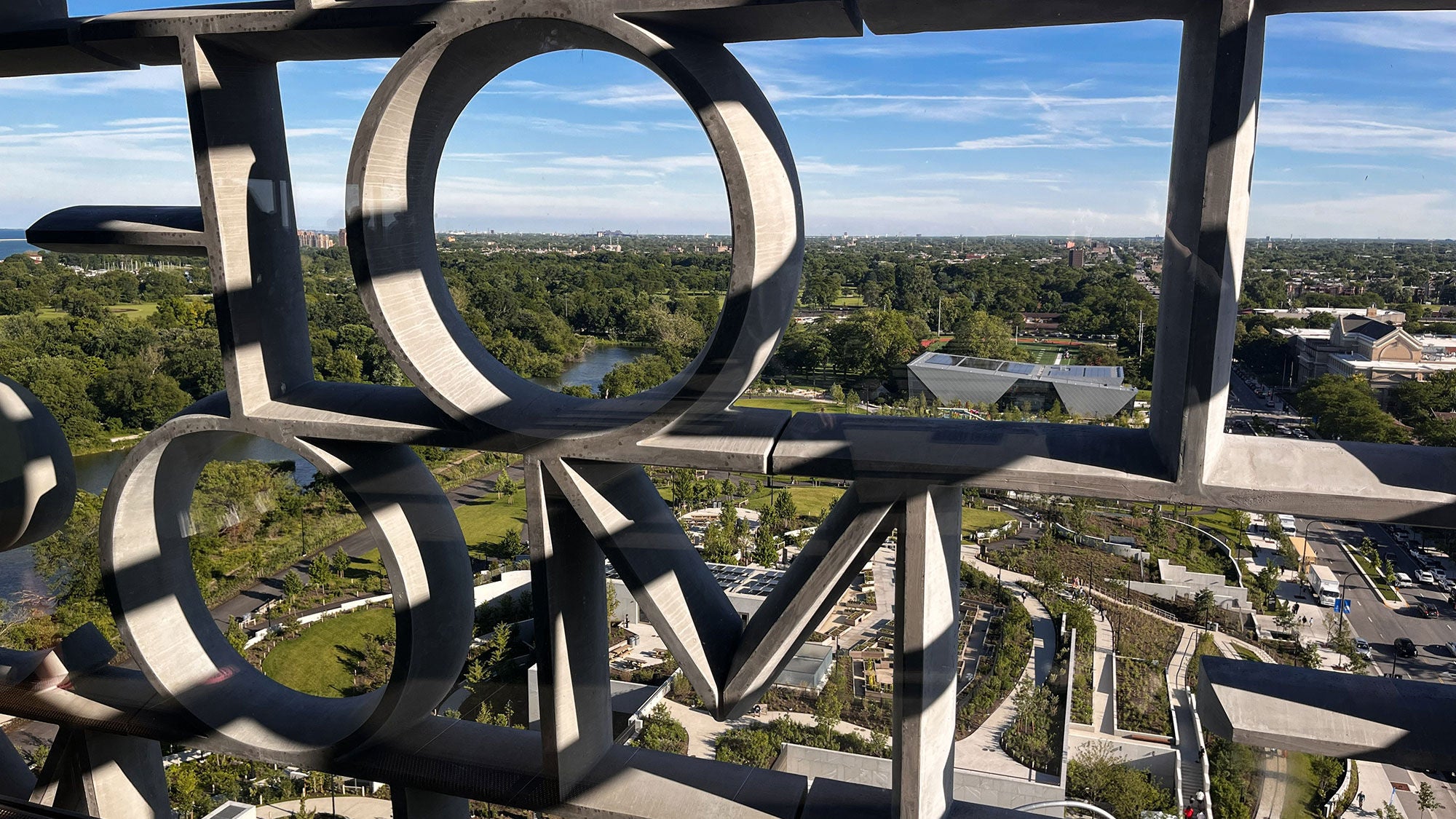 The system was designed to keep supports nearly invisible, allowing visitors on the seventh and eighth floors to look through the facade without seeing a forest of steel.
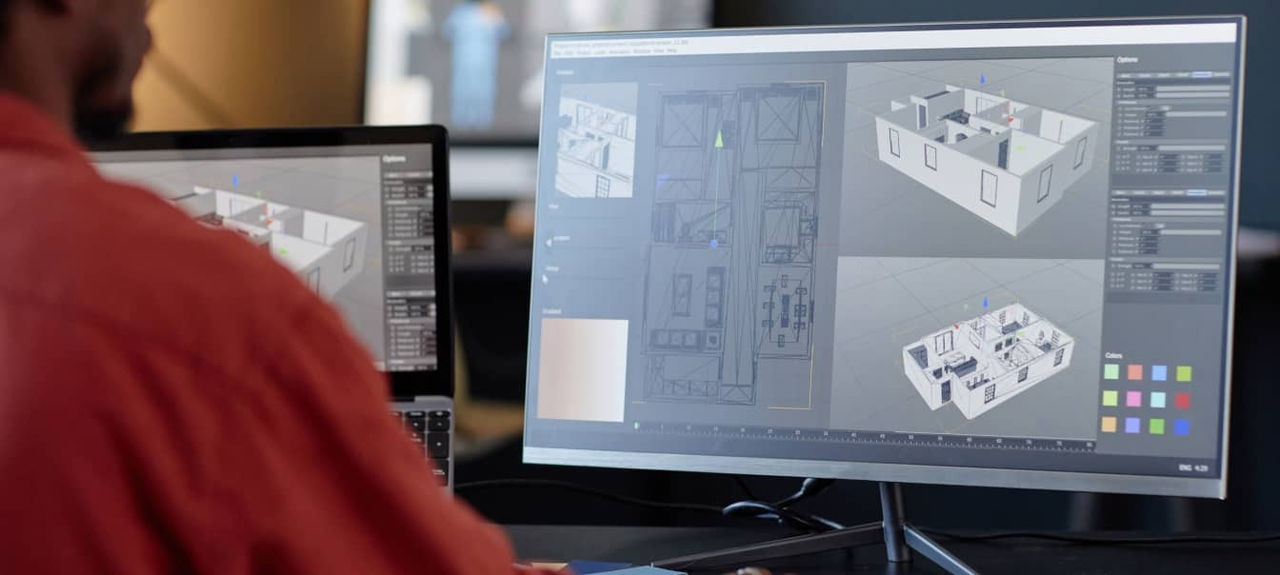
Engineers used custom computational modeling to create a design that treated each letter as a structural element, adjusting panel groupings, connection points and internal reinforcement.
Look closely at the words — as you can from inside the center — and you’ll see this is more than a collage of individual characters.
Each letter had to carry a real structural load — the way a beam or a column would. Yet the letters aren’t consistently shaped. They have curves, varied spacing, and differing connection points. They also couldn’t be changed. The text, font, kerning, and scale were all fixed by the design. The only variables the engineers could adjust to make this work structurally were how the letters were grouped into panels, where the connections landed, and how reinforcement was arranged inside each piece.
With a cluster like “O-B-A” behaving differently under a load than “A-M-E,” manual calculation of the panels wasn’t realistic. Some spanned nearly 39 feet. There was no precedent in concrete.
TYLin developed custom computational tools to model how each letter would respond to structural forces, refining through reinforcement and geometry far faster than what could be done manually. They collaborated with two other engineering firms — C&E, performing a parallel analysis, and Maffeis, using a different software platform. “By comparing results at every stage, our three teams built confidence that the design would perform exactly as intended,” says Vassil Draganov, a principal at TYLin.
How do you make 14,000-pound, solid concrete panels seem weightless?
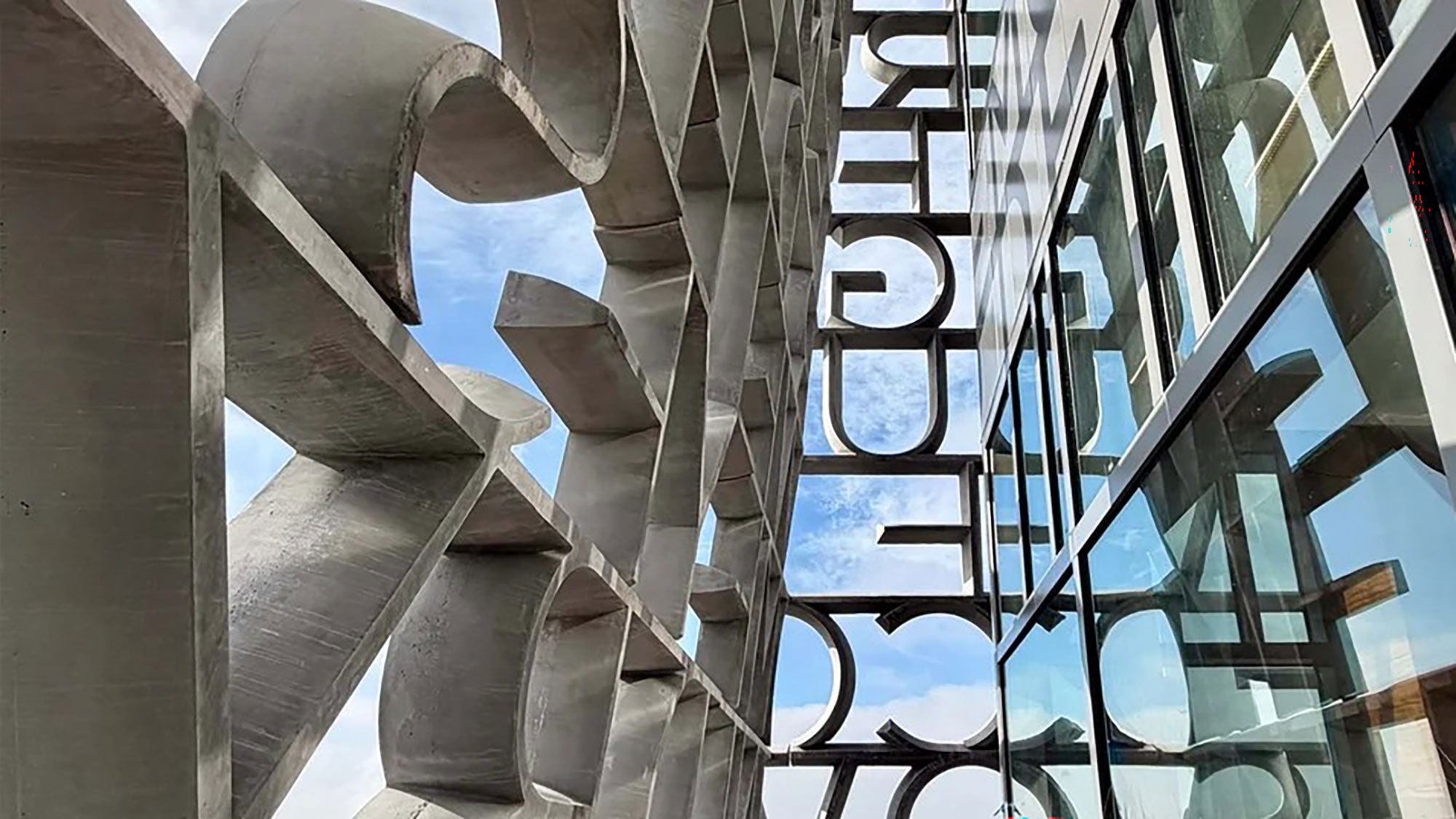 The letters were designed to appear as though they're floating, but behind that illusion is months of engineering and testing to fit reinforcement inside each narrow, tapered form.
The resulting panels weighed up to 14,000 pounds. Yet, as Nicole explains, the design was intended to convey a weightless appearance. “The client really wanted the facade to look like it was floating off the building. They wanted as few connection points as possible, and those connections had to be invisible from the inside.”
For the connections back to the base building, the team embedded stainless steel plates roughly 2.5 to 3 inches thick and 4 inches wide directly into the UHPC. Each panel transfers its full load through connection points small enough to disappear.
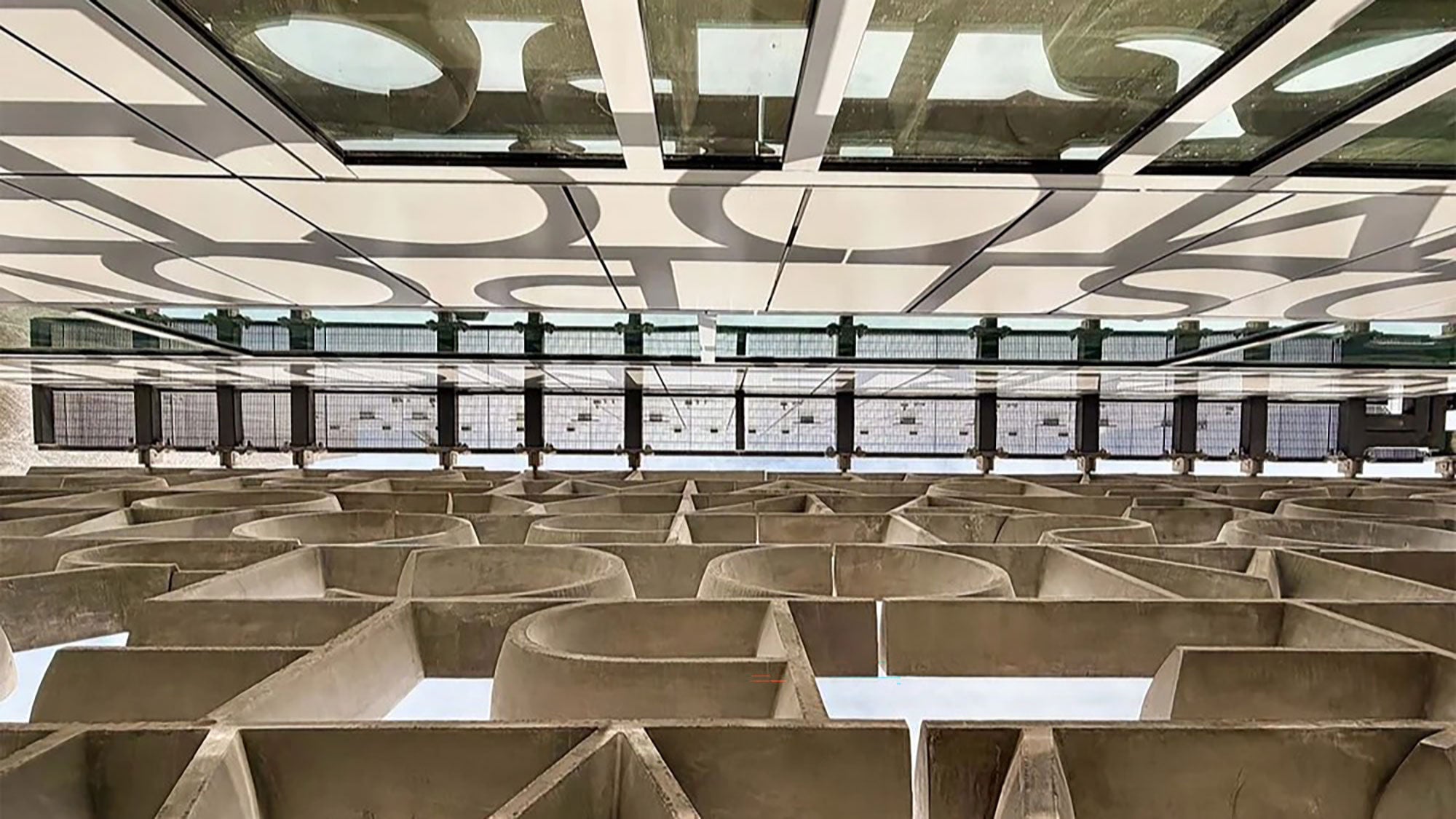 A close-up view of the cast letterforms, which were individually created and assembled piece by piece.
With each panel being unique, production required innovation. Fine Concrete designed, tested and fabricated a reusable letterpress system — a set of 52 letterforms that could be reassembled, letter by letter. Compared to the conventional approach of using disposable foam forms, this strategy saved materials and cut waste. With this letterpress kit of parts, Fine Concrete partnered with Envel, a fabricator/installer within 100 miles of the site, so the resulting pieces could be snapped into place like Scrabble tiles.
But would the UHPC hold up in practice against the near-constant wind off Lake Michigan? Working with the building’s facade consultant and Notre Dame University’s civil engineering department, the team tested the panels at wind speeds 150% above the expected maximum. There was no observed cracking.
Once at the site, each panel would travel 10 minutes to reach the building’s upper floors where the speech would be placed. Over several weeks, all 39 panels were installed. The execution had matched the ambition.
“I like the tagline ‘Build Your Ambition.’ It really became the tagline for this project, because there was a lot of ambition, but no precedent for this type of job in an architectural application. To my knowledge, there’s never been a speech of this size, at full scale, spanning a structure, that’s been completed in North America.”
What makes the Obama Presidential Center a unique landmark?
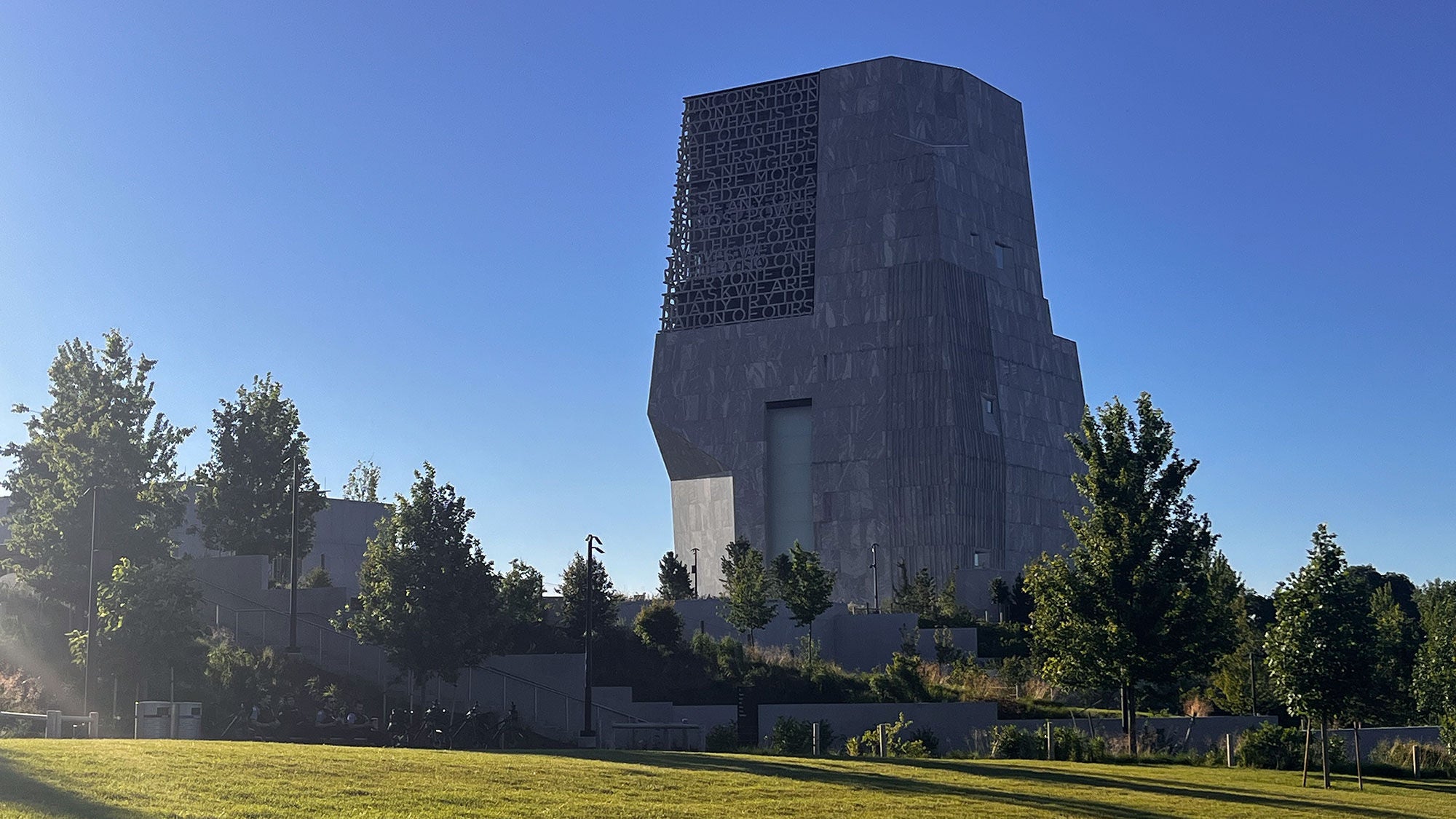 A full view of the Obama Presidential Center, showcasing the collaboration between architects, engineers, and material experts that brought this vision to life.
When the Obama Presidential Center opened on June 19th, 2026, it realized an unprecedented vision after ten years in the making. The 83-foot-high, 458-letter screen wall is the tallest and longest span of UHPC on a building in North America.
It’s not just a building. It’s a message, cast letter by letter, built to remain legible for generations to come. For Michael, that permanence is the real story.
“This is something that’s going to last 100 years or more. That’s a pretty remarkable thing to be a part of, combining Amrize's MAXtect with the fabrication process Alexander and Nicole developed,” he says. “Not everything is meant to last that long. But if you're building something you want to stand for generations, we've got a pretty powerful story to tell about how we can make that happen.”
Meet the experts who helped build the Obama Presidential Center
Uchenna Nwogu
Uchenna Nwogu is director of operations for MAXtect UHPC at Amrize, bringing more than 10 years of experience in UHPC operations, logistics, and technical project delivery. With a background in Civil Engineering and an MBA, he leads U.S. UHPC bridge operations and has extensive experience managing complex infrastructure projects.
Michael Finnegan
Michael Finnegan is President of Fine Concrete, where he leads the company’s strategy, operations, and growth while maintaining the quality and craftsmanship that define its work. He brings more than 25 years of executive and operational leadership experience, helping organizations scale while building lasting client and partner relationships.
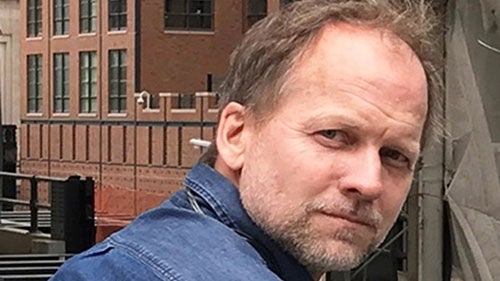
Alexander Kitchin
Alexander Kitchin is Founding Partner and Director of Design at Fine Concrete. An expert in architectural concrete, digital fabrication and formwork design, he brings more than 30 years of experience creating innovative concrete elements. He is a Fellow of the American Academy in Rome and has taught architecture studios at the University of Virginia, University of Pennsylvania and University of Michigan.

Nicole Sherman
Nicole Sherman is founding partner and now a strategic consultant at Fine Concrete. Previously Managing Director, she oversaw the company’s operations, product development, growth and client relationships while helping guide its long-term strategic direction.
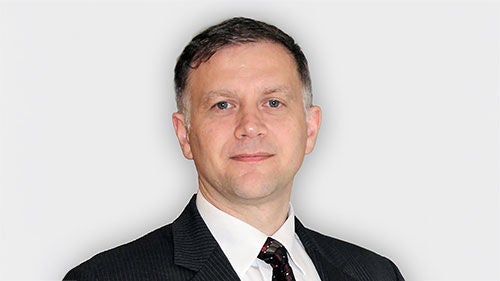
Vassil Draganov
Vassil Draganov is a principal at TYLin with more than 27 years of structural engineering experience. Specializing in ultra-high-performance concrete, adaptive reuse and complex building structures, he leads multidisciplinary project teams and provides technical oversight from design through construction.
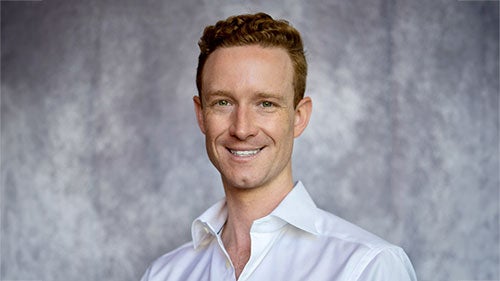
Chris Bird
Chris Bird joined TYLin in 2019 and serves as a senior structural engineer based in Washington, DC. Specializing in ultra-high-performance concrete and low-carbon structural design, he helps advance the firm's sustainable engineering strategies while delivering complex projects involving new and existing structures.
FAQs
Each letter is over 4 feet tall, arranged across an 83-foot-high screen wall near the top of a 225-foot tower. It’s a soaring architectural statement to match a soaring speech.
Standard concrete couldn't form solid, freestanding letters at this scale and shape while surviving Chicago's extreme weather swings. UHPC combines the durability of stone with the ductility of steel, which engineers said no single conventional material could match.
The facade is made from MAXtect, Amrize's ultra-high-performance concrete (UHPC). Each of the 458 individual letters was cast in this material, chosen for its strength, durability and ability to hold complex shapes without cracking.
Yes. The museum and community center has the tallest and longest span of ultra-high-performance concrete ever installed on a building in North America.