



HOW ‘ELEVEN’ ROSE TO BE MINNEAPOLIS’S TALLEST RESIDENTIAL TOWER
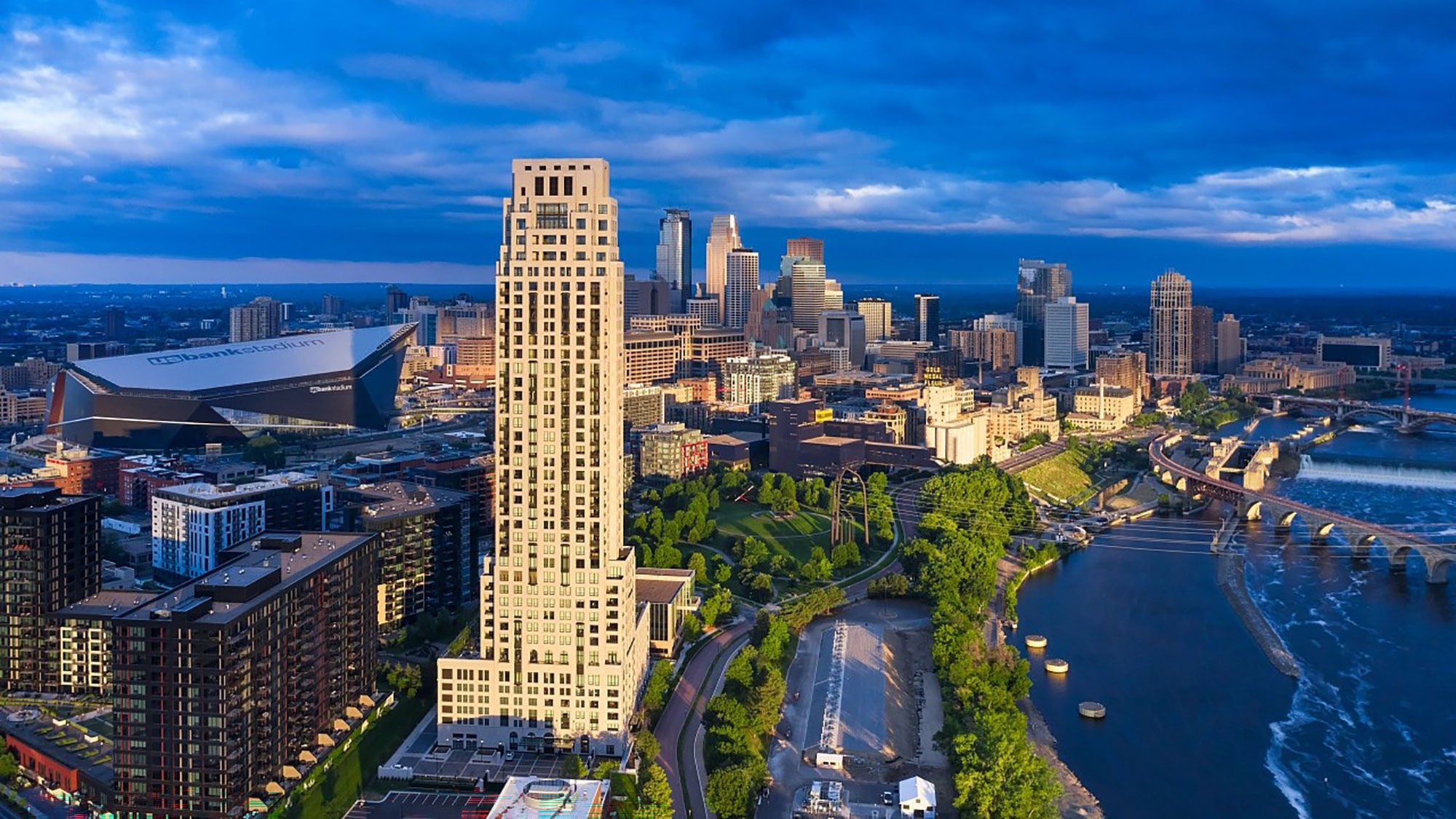 Rising beside the Mississippi River, ELEVEN balances historic inspiration with the realities of modern construction.
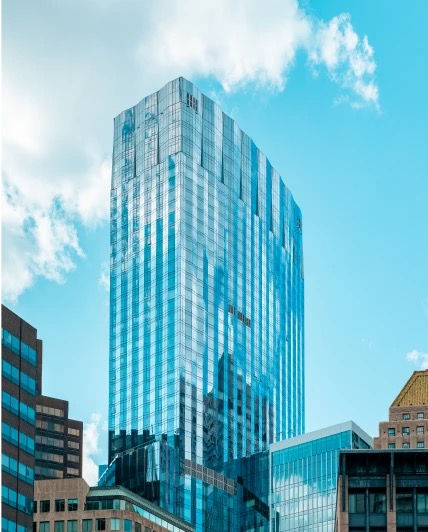
As the “Flour Milling Capital of the World,” Minneapolis’s riverfront grew around mills and the businesses that supported them: iron works, barrel making, banking and advertising. This gives the Mill District a distinctive architectural identity, one that is echoed in the 42-story residential tower, ELEVEN.
Designed by Robert A.M. Stern, ELEVEN combines the Art Deco influence of the Betty Crocker era with the prowess of modern engineering. It rises from a tight urban site along the Mississippi River, and its 550-foot profile required materials that could perform through vertical pumping and Minnesota’s equally vertiginous temperature swings.
What results is a 118-residence building that respects the character of the Mill District while adding a confident, modern silhouette to the Minneapolis skyline. It’s a vision made possible by builder Ryan Companies, structural engineers Meyer, Borgman and Johnson, and Amrize — providing the advanced materials to deliver an architectural statement without compromise.
From foundation to rooftop, here’s how the Mill City’s tallest residential tower rose to put a new twist on an old neighborhood.
OUR AMBITION: RISE TO MEET HIGH STRUCTURAL AMBITIONS
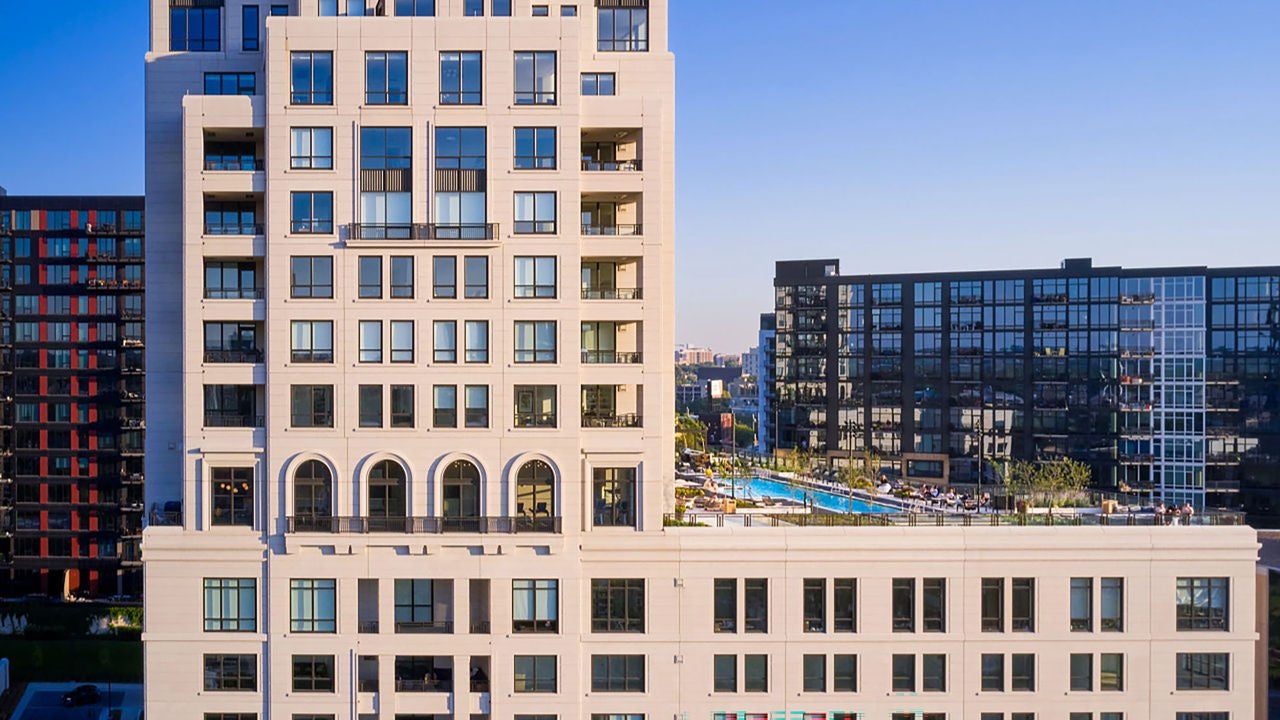 Because of its scale and slender profile, the tower required a structural approach built for long-term performance.
Expectations for this tower were high from the start. The design called for concrete with a specific modulus of elasticity, a key measure of stiffness that helps limit sway in tall structures.
At the same time, the teams needed mixes that could be pumped dozens of stories up through hot summers, freezing winters and everything in between.
The high-performance concrete used throughout the structure achieved the requisite stiffness for a tall residential tower while helping reduce the building’s embodied carbon.
Amrize partnered with the project team to support those priorities, specifically:
- Meeting strict modulus of elasticity targets
- Supporting high-strength vertical construction
- Delivering concrete within a constrained downtown site
- Maintaining consistent quality control across all phases
THE SOLUTION: A PERFECT MIX OF STRENGTH, SPEED AND CONTROL
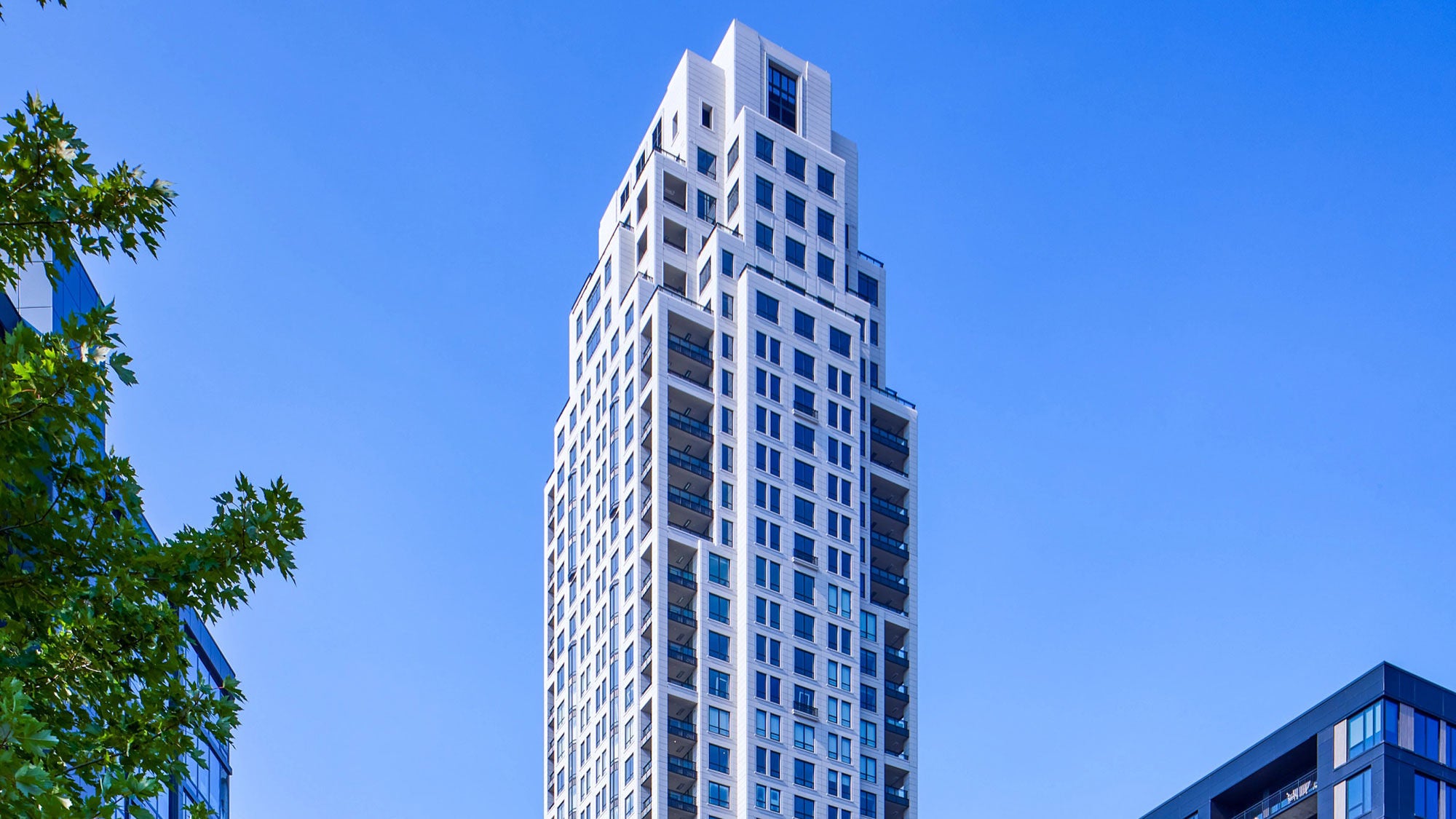 From foundation to upper floors, the tower relied on a strategic blend of advanced concrete mixes.
Amrize tailored a package of high-performance concrete solutions engineered for strength and rigidity — as the structure demanded.
This carefully calibrated combination included:
- 10,000+ yd³ of SUPERtect concrete using granite aggregate to achieve the desired modulus of elasticity
- 10,000+ yd³ of ECOtect and ECOtect PRIME low-carbon concrete used in mass foundation pours and throughout the structure
- RAPIDtect high-early strength concrete to support quick-setting placements
- 37,000 yd³ of total concrete supplied, including:
- 6,000 psi and 8,000 psi strengths for post-tensioned decks
- 10,000 psi and 12,000 psi strengths for walls and columns
Ongoing testing and quality control helped keep every mix on target as the building rose. Coordination was critical too in this dense downtown environment. Using ConcreteDirect, deliveries were scheduled with precision to keep crews supplied and pours moving without disruption.
THE RESULTS: A NEW LANDMARK FOR A HISTORIC NEIGHBORHOOD
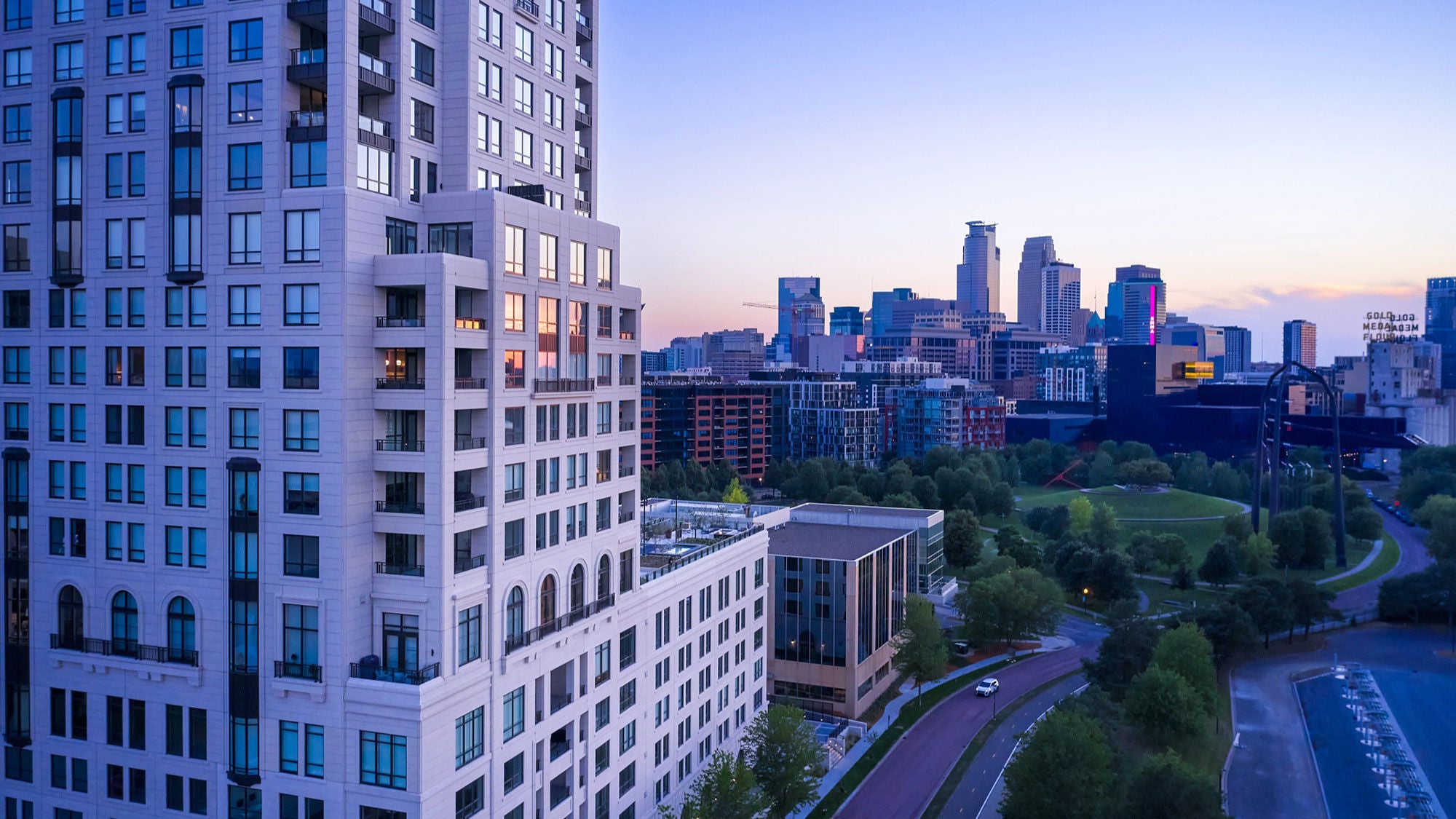 Today, ELEVEN rises confidently as a signature presence in Minneapolis’ skyline.
Completed in 2021, ELEVEN became a defining part of Minneapolis’ Mill District while echoing its pre-war roots.
Residents get to enjoy views of the neighborhood’s historic icons, like the Stone Arch Bridge and the Mill Ruins Park. But what they might not know is the story of the construction that made their home possible. One of performance, coordination and technical precision that allowed a new landmark to join the many established ones that surround it.